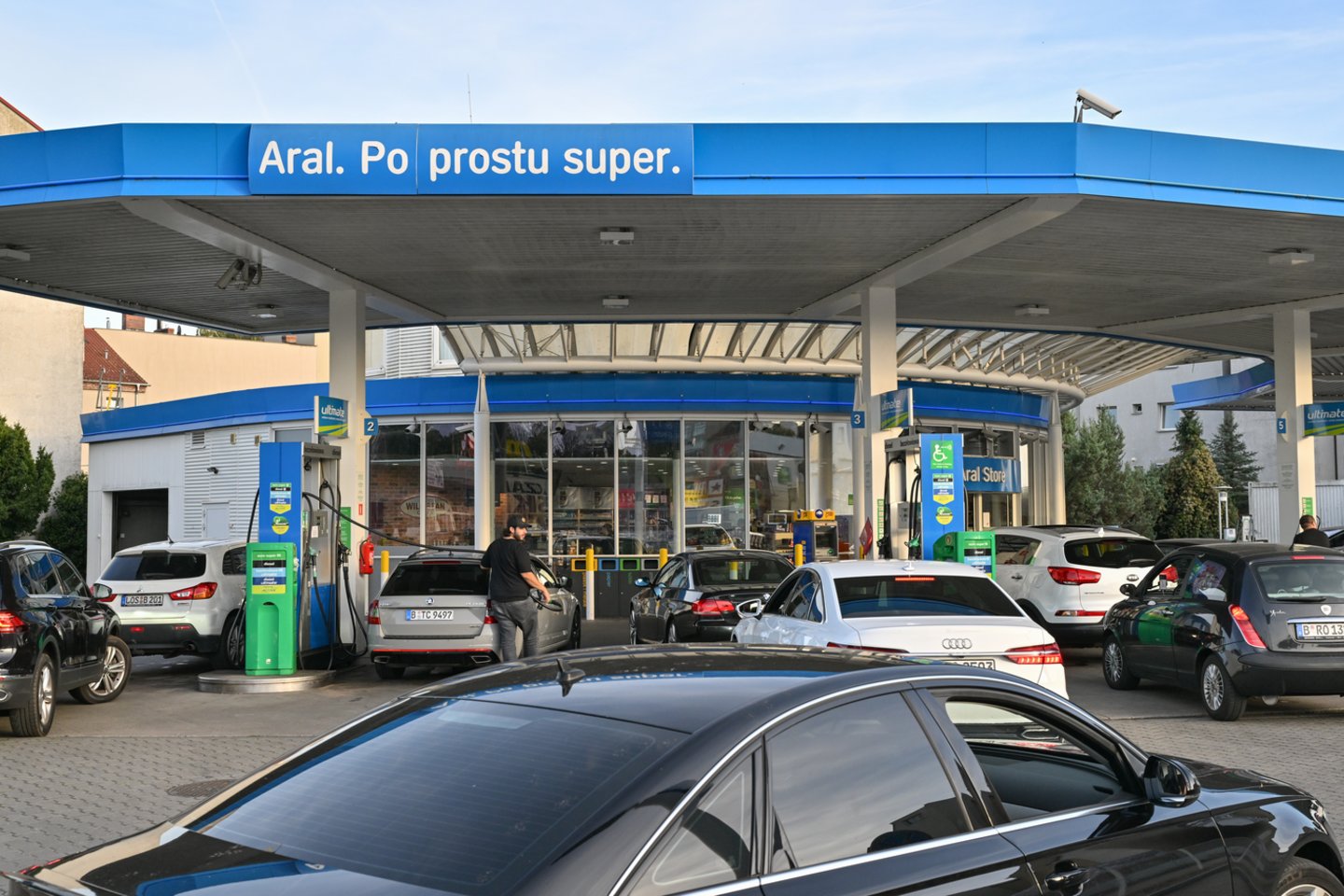
Zgorzelec, Poland – A growing disparity in fuel prices between Germany and neighboring Poland is driving a surge in cross-border traffic as German motorists seek more affordable options. The trend, fueled by rising global oil prices and differing tax structures, is creating noticeable congestion near the Polish-German border and prompting discussions about the economic impact on both countries.
The price difference, reportedly reaching as high as 100 złoty (approximately 24 euros) for a 40-liter tank, stems from significantly higher taxes levied on fuel in Germany compared to Poland. This discrepancy has become particularly acute following recent geopolitical tensions in the Middle East, which have contributed to a global increase in crude oil costs. As of March 5, 2026, diesel prices in Germany exceeded 2 euros per liter, with the ADAC, Germany’s largest automobile club, reporting an average price of 2.054 euros for diesel, and 1.995 euros for E10 gasoline. ADAC provides regular updates on fuel prices across Germany.
Fuel Price Disparity Drives Cross-Border Travel
In contrast, average prices in Poland currently stand at 5.99 PLN for 95 gasoline and 6.40 PLN for diesel. According to the Sächsische Zeitung, a regional newspaper in Saxony, Germany, the price difference can reach up to 60 euro cents per liter. Sächsische Zeitung has been reporting on the increasing number of German drivers crossing the border to fill up.
The economic incentive is clear. Drivers filling a 40-liter tank in Hřensko, Czech Republic, near Dresden, can save approximately 22 euros, even factoring in a round trip of around 80 kilometers with fuel consumption of 7 liters per 100 kilometers, which costs around 11 euros. This has led to a noticeable increase in traffic at border crossings and gas stations in the Zgorzelec area.
“You can see that traffic is increasing,” a gas station employee in Zgorzelec confirmed to Fakt.pl, a Polish news outlet. Fakt.pl reported on the growing trend, noting the increased presence of German license plates at local fuel stations.
Taxation as a Key Factor
The core reason for the price difference lies in the differing tax and levy structures between the two countries. Germany imposes significantly higher taxes on fuel, which are reflected in the final price at the pump. The current crisis, triggered by instability in the Hormuz Strait – a vital waterway for approximately 20% of the world’s oil supply – has exacerbated this disparity, as any increase in crude oil prices has a more pronounced effect on German consumers due to the higher tax burden.
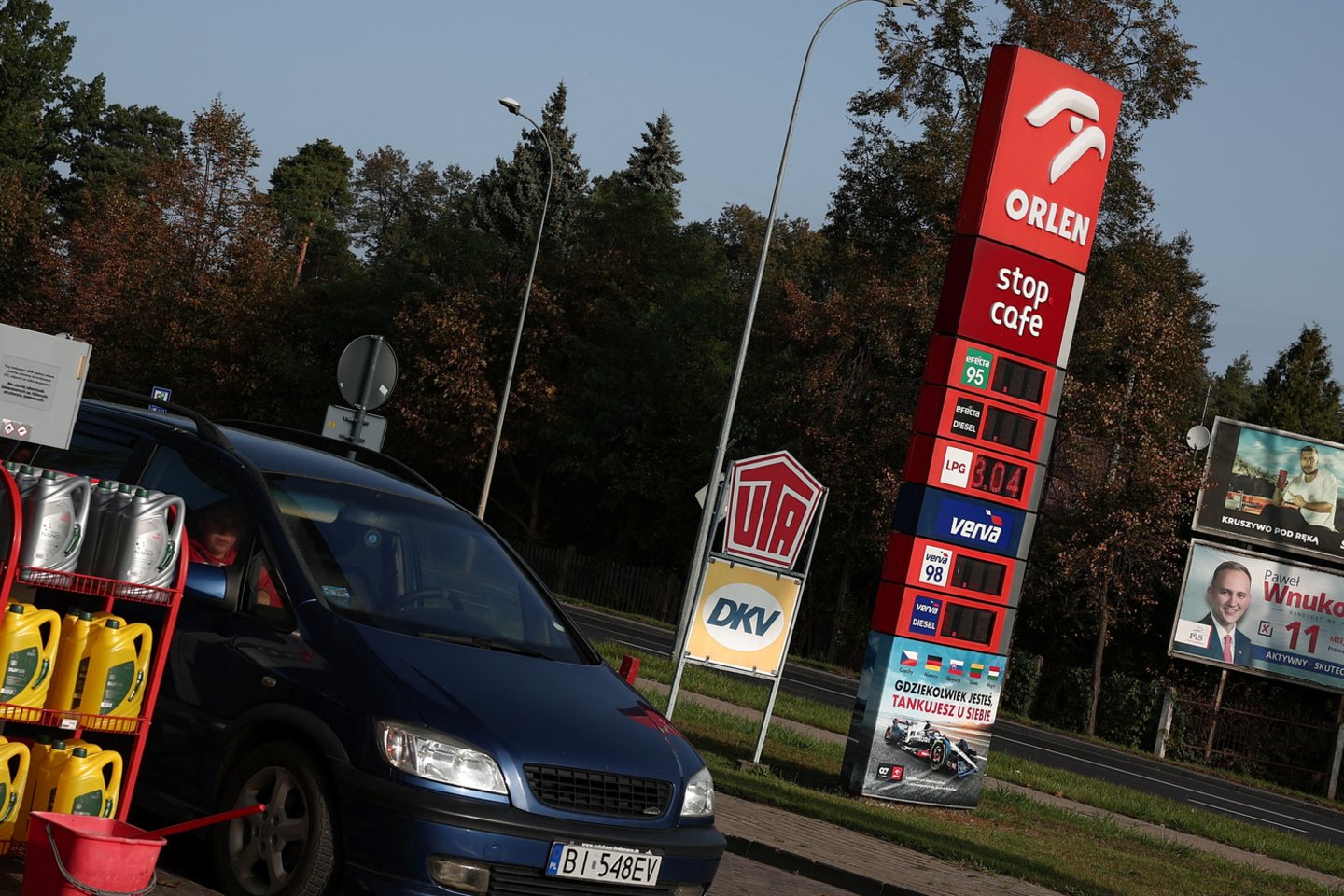
Scanpix nuotr.
Border Crossing Closure Adds Complexity
Adding to the challenges, the bridge connecting Zgorzelec with Görlitz, Germany – the Jan Pawel II Bridge – was completely closed on Monday, October 27, 2025, for urgent repair and maintenance work. Fakt.pl reported that the closure is expected to last until November 14, 2025, even though authorities are striving to reopen it sooner. This closure forces drivers to use alternative border crossings at Jędrzychowice-Ludwigsdorf or Radomierzyce-Hagenwerder, resulting in longer travel times and increased congestion.
The closure also impacts public transportation. Bus line A, which connects Zgorzelec and Görlitz, now terminates at the “Hochschule/Stadthalle” stop on the German side, requiring passengers to transfer. Approximately 30% of Zgorzelec residents work in Germany, and around 10,000 people typically crossed the bridge daily, highlighting the significant disruption caused by the closure.
No Fuel Shortage Expected in Germany
Despite concerns, the German industry association “Fuels und Energie” has reassured the public that there is no anticipated shortage of gasoline, diesel, heating oil, or aviation fuel. Germany imports oil from around 30 countries, primarily Norway, the United States, Libya, Kazakhstan, and the United Kingdom, ensuring a diversified supply chain.
Recent Tragic Incident in Zgorzelec
Separately, Polish authorities are seeking assistance in identifying a man who died by suicide on August 29, 2024, after being struck by a train near Zagajnik, Zgorzelec. Fakt.pl reported that the man, estimated to be between 25 and 35 years old, had a distinctive red-brown hair color and was wearing a white t-shirt, light green pants, and navy blue sandals with white stripes. He also had a bandage on his right arm, suggesting a recent hospital visit. Police are appealing to the public for any information that could help identify the deceased.
Key Takeaways
- A significant price difference in fuel between Germany and Poland is driving increased cross-border traffic.
- Higher taxes on fuel in Germany are the primary cause of the price disparity.
- The closure of the Jan Pawel II Bridge between Zgorzelec and Görlitz is exacerbating travel difficulties.
- German authorities assure the public that there is no expected fuel shortage despite global tensions.
- Police are seeking to identify a man who died near Zgorzelec in August 2024.
As of March 5, 2026, the situation remains fluid, with fuel prices subject to ongoing global market fluctuations and geopolitical developments. The reopening of the Jan Pawel II Bridge is eagerly anticipated by commuters and businesses on both sides of the border. We will continue to monitor this situation and provide updates as they become available.
Do you have any insights into the impact of fuel prices on cross-border travel? Share your thoughts in the comments below, and please share this article with your network.
Related reading