
As Germany accelerates the digitalization of its healthcare system, a critical tension has emerged between the push for modern, interconnected medical services and the immense cost of securing them. The transition toward a more digital infrastructure, including the widespread adoption of electronic patient records, has significantly expanded the attack surface for cybercriminals, leaving hospitals and private practices increasingly vulnerable to ransomware and data breaches.
Industry experts and medical professionals are now sounding the alarm over a massive funding gap, with some estimates suggesting that upwards of €2 billion in investment is required to bring the nation’s healthcare cybersecurity up to a safe, sustainable standard. This financial pressure comes at a time when the sector is already grappling with staffing shortages and rising operational costs, creating a precarious environment where patient safety is inextricably linked to digital resilience.
The urgency of this investment is not merely a matter of administrative preference but a response to a tightening regulatory landscape. With the implementation of the European Union’s NIS 2 Directive, the legal requirements for cybersecurity in “essential entities”—which include most hospitals and healthcare providers—have shifted from recommended best practices to mandatory legal obligations with strict penalties for non-compliance.
The Financial Burden of the NIS 2 Directive
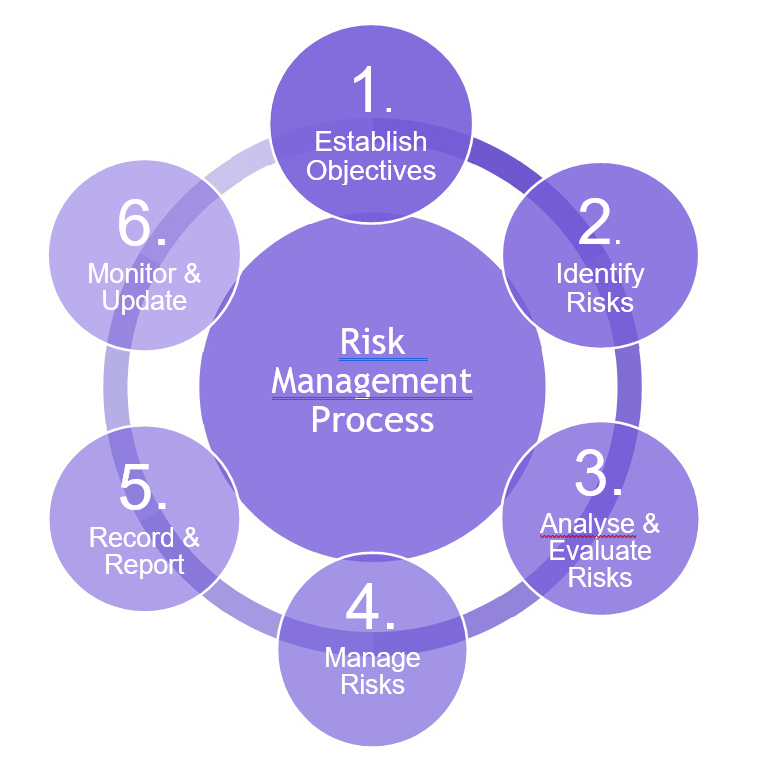
The primary driver behind the current funding crisis is the transposition of the NIS 2 Directive into German law. This EU-wide mandate is designed to harmonize cybersecurity levels across member states, forcing critical infrastructure providers to implement rigorous risk management measures, incident reporting protocols, and supply chain security audits.
For many German healthcare providers, the leap from existing legacy systems to the standards required by NIS 2 is a financial chasm. The estimated €2 billion need reflects not only the cost of new software and hardware but also the necessity of hiring specialized cybersecurity personnel—a talent pool that is currently in high demand and short supply across Europe. Small to medium-sized practices, in particular, find themselves ill-equipped to handle the technical and financial demands of these new mandates without significant state support.
The cost of inaction, however, is far higher. Ransomware attacks on hospitals have become a systemic threat, often resulting in the total shutdown of emergency rooms, the cancellation of elective surgeries, and the exposure of highly sensitive patient data. When a hospital’s digital infrastructure fails, the impact is measured not just in lost revenue, but in delayed care and compromised patient outcomes.
Why Healthcare is a Primary Target
Healthcare systems are uniquely attractive to cyber attackers for several reasons. First, the “criticality” of the data ensures that hospitals are more likely to pay ransoms to restore life-saving systems quickly. Second, the medical sector often relies on a fragmented mix of modern software and aging legacy hardware—some of which may no longer receive security updates—creating “weak links” that attackers can easily exploit.
The move toward the elektronische Patientenakte (ePA), or electronic patient record, further complicates the security landscape. While the ePA promises better coordination of care and reduced medication errors, it creates a centralized repository of sensitive health data. Securing these data flows requires end-to-end encryption and robust identity management systems that many current facilities simply do not possess.
The Federal Office for Information Security (BSI) has consistently warned that the interdependence of healthcare providers means a breach in one small clinic can potentially pivot into a larger hospital network, creating a domino effect across the regional health infrastructure. This systemic risk is why the call for a multi-billion euro investment is viewed by many as a necessity for national security.
The Gap Between Mandate and Funding
A recurring point of contention among medical professionals is the “funding gap”—the discrepancy between the legal requirements imposed by the government and the actual financial resources provided to meet them. While the NIS 2 Directive mandates a high level of security, the funding for these upgrades often falls on the individual providers or the statutory health insurance funds, rather than a centralized federal cybersecurity fund.
Critics argue that treating cybersecurity as an individual operational cost rather than a public utility is a fundamental mistake. They suggest that without a coordinated federal investment strategy, the result will be a “two-tier” security system where wealthy university clinics are secure, while smaller regional hospitals remain vulnerable, creating dangerous gaps in the national health safety net.
Key Cybersecurity Requirements for Healthcare Providers
Under the new regulatory framework, healthcare entities are generally expected to implement the following measures to avoid heavy fines and legal liability:
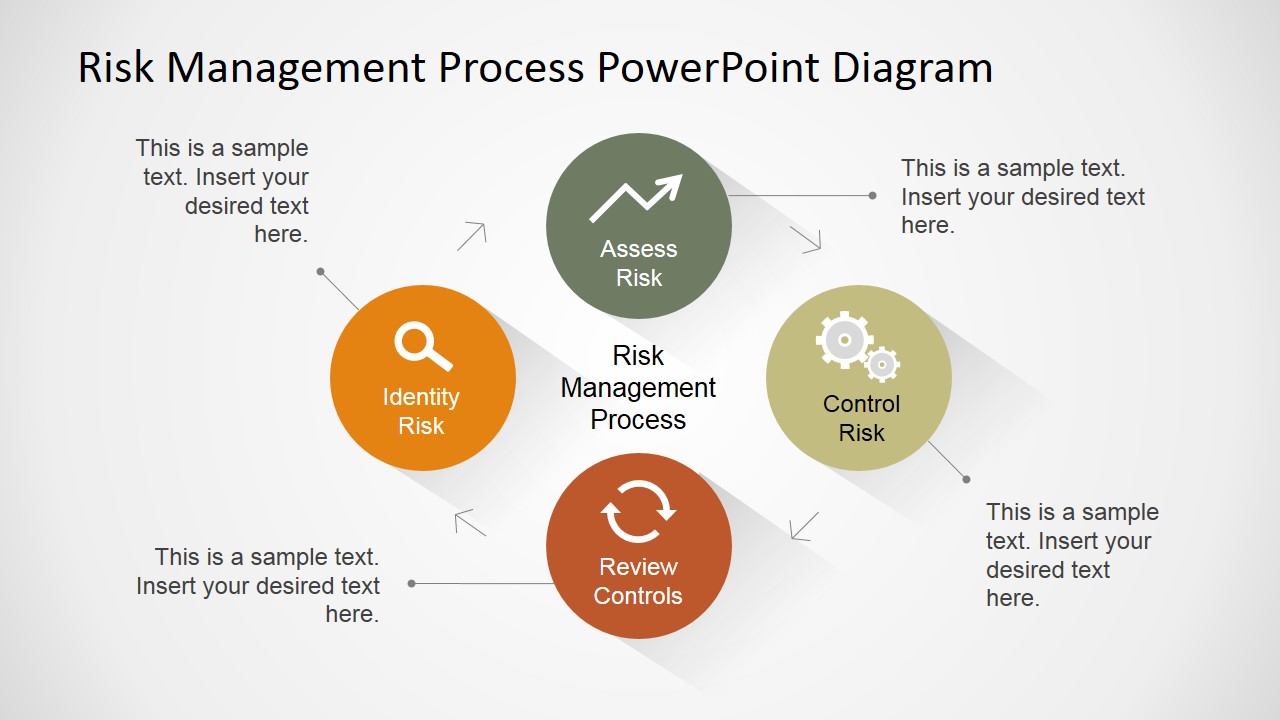
- Risk Management: Implementing comprehensive policies to identify and mitigate digital vulnerabilities.
- Incident Reporting: Mandatory notification of significant cyber incidents to national authorities within strict timeframes.
- Supply Chain Security: Ensuring that third-party software vendors and medical device manufacturers meet minimum security standards.
- Business Continuity: Establishing robust backup systems and recovery plans to ensure patient care continues during an outage.
- Employee Training: Regular cybersecurity awareness training for all medical and administrative staff to prevent phishing and social engineering.
The Path Toward Digital Resilience
Achieving a secure healthcare ecosystem will require more than just a one-time infusion of cash. It requires a shift in culture, where cybersecurity is viewed as a core component of patient safety—analogous to sterilization in an operating room. This involves moving away from “perimeter security” (firewalls) toward a “Zero Trust” architecture, where every access request is verified, regardless of where it originates.
there is a growing call for the creation of sector-specific Security Operations Centers (SOCs) that can monitor threats across multiple hospitals in real-time. By pooling resources, smaller providers could access high-level threat intelligence and rapid response capabilities that would be unaffordable on an individual basis.
The conversation surrounding the €2 billion investment is a wake-up call for policymakers. As Germany continues to lead in medical innovation, the stability of its healthcare system will depend less on the sophistication of its medical devices and more on the strength of the code that protects them.
| Feature | Legacy Approach | NIS 2 / Modern Standard |
|---|---|---|
| Security Model | Perimeter-based (Firewalls) | Zero Trust Architecture |
| Incident Response | Ad-hoc / Internal recovery | Mandatory reporting & coordinated response |
| Vendor Management | Trust-based procurement | Strict supply chain security audits |
| Update Cycle | Reactive / Periodic | Proactive / Continuous patching |
| Staff Role | IT department responsibility | Organization-wide security culture |
The next critical milestone for the sector will be the full enforcement of the NIS 2 transposition deadlines, which will compel providers to demonstrate compliance or face significant regulatory penalties. As these deadlines approach, the pressure on the federal government to provide concrete financial support for the estimated security gap is expected to intensify.
Do you believe the cost of cybersecurity should be borne by individual healthcare providers or funded as a public utility? Share your thoughts in the comments below or share this analysis with your professional network.
Worth a look