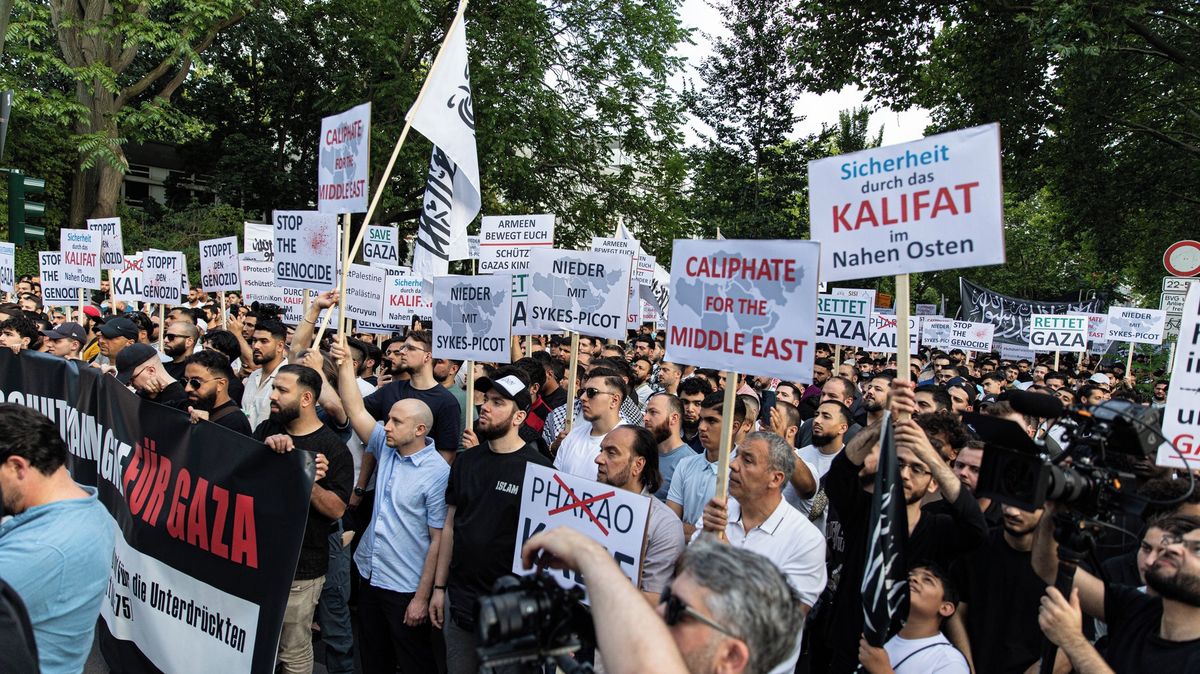
Berlin – A recent study has ignited a debate in Germany regarding rising antisemitic attitudes, particularly among young Muslims. The report, conducted by the University of Hamburg, indicates a significant increase in antisemitic views within the Muslim community, raising concerns about integration and societal cohesion. This comes at a sensitive time for Germany, already grappling with heightened security concerns and debates surrounding immigration policy, particularly in the wake of the October 7th Hamas attack on Israel and the subsequent conflict in Gaza.
The study, titled “MOTRA Monitor 2026,” reveals that 27.2 percent of Muslims in Germany expressed antisemitic sentiments in 2025, a substantial jump from 12.5 percent in 2021. The increase is particularly pronounced among individuals under the age of 40, with antisemitic views rising from 11.3 percent in 2021 to 29.1 percent in 2025. Researchers also identified a concerning level of radical Islamic attitudes, with 11.5 percent of young Muslims openly expressing such views and a further 33.6 percent exhibiting latent, less visible radical tendencies. These findings have prompted calls for a reassessment of integration policies and a firmer stance against extremism.
A Complex Landscape of Rising Prejudice
The report’s findings are not occurring in a vacuum. Germany has witnessed a surge in both antisemitism and Islamophobia following the events of October 7th. According to a March 15, 2024 report by the Green European Journal, the attacks by Hamas and Israel’s response have fueled a wave of prejudice across Europe, including Germany. The German government has responded by banning several pro-Palestinian demonstrations, a move that has sparked debate about freedom of speech and the right to protest. Some members of the Jewish community are reportedly considering leaving the country, citing fears for their safety and a perceived rise in hostility.
Former Deputy Speaker of the German Parliament, Wolfgang Kubicki of the Free Democratic Party (FDP), described the study as a “ticking time bomb,” warning that a policy of “naive tolerance” had contributed to the problem. In an interview with the German tabloid *Bild*, Kubicki called for a ban on headscarves in state institutions and schools for children under 14, arguing that such measures are necessary to uphold German values. This proposal reflects a growing sentiment within some political circles that stricter regulations are needed to address perceived challenges to integration.
Concerns Over Political Correctness and Integration
Manuel Ostermann, Deputy Head of the German Police Union (DPolG), attributed the study’s findings to what he described as “excessive political correctness.” He argued that Islamists are becoming increasingly emboldened and are challenging the rule of law, exploiting what he termed Germany’s “weakness” – a combination of political correctness, ignorance, and a reluctance to address sensitive issues. Ostermann’s comments highlight a broader concern among some security officials that a perceived unwillingness to confront extremism is allowing it to flourish.
The Ring of Christian Democratic Students (RCDS) echoed these concerns, stating that the study revealed a “serious problem” stemming from unsuccessful integration and radicalization within certain communities. Charlotte Beermann, the organization’s chairwoman, pointed to a growing trend of antisemitism on university campuses, emphasizing the importance of upholding fundamental German values. She stated that anyone living or studying in Germany must be familiar with and respect these values. This sentiment underscores the importance placed on civic education and the promotion of democratic principles.
The Role of Security Forces and Political Responses
Armin Schuster, the Interior Minister of Saxony, warned that targeted provocations against law and order under the guise of religion and multiculturalism are likely to increase. He affirmed that German security forces would “firmly counter” such actions. This statement signals a commitment to maintaining public order and protecting against extremism, but also raises questions about the balance between security measures and civil liberties. The German government faces the challenge of addressing these concerns while upholding constitutional rights and avoiding discriminatory practices.
The debate surrounding integration and extremism is further complicated by the broader political context in Germany. The rise of the far-right Alternative for Germany (AfD) party, which has consistently campaigned on an anti-immigration platform, has contributed to a more polarized political climate. The AfD has been accused of exploiting fears about immigration and Islam to gain support, and its rhetoric has often been criticized as divisive and xenophobic. The mainstream political parties are grappling with how to respond to the AfD’s growing influence and how to address the underlying concerns that are driving voters towards the far right.
Broader European Trends and the Impact of Geopolitical Events
The situation in Germany is not unique. As noted by the Green European Journal, the events in the Middle East have triggered a surge in both antisemitism and Islamophobia across Europe. This reflects a broader trend of rising prejudice and polarization in many Western countries, fueled by geopolitical tensions, economic anxieties, and social divisions. The rise of social media has also played a role, providing a platform for the spread of hate speech and misinformation.
The German government is under increasing pressure to address these challenges and to develop effective strategies for combating extremism and promoting integration. This includes strengthening law enforcement capabilities, investing in education and civic engagement programs, and fostering dialogue between different communities. However, there is no easy solution, and the path forward will require a comprehensive and nuanced approach. The ongoing debate about the study’s findings and the appropriate response highlights the complexity of these issues and the need for a broad societal conversation.
The study’s findings also raise questions about the effectiveness of Germany’s current integration policies. While Germany has a long tradition of welcoming immigrants and refugees, there have been concerns that integration efforts have not been sufficient to address the challenges posed by a diverse population. Some critics argue that the focus has been too heavily on cultural accommodation and not enough on promoting shared values and civic participation. Others contend that systemic discrimination and social inequalities continue to hinder the integration process.
Key Takeaways
- A recent study reveals a significant increase in antisemitic attitudes among Muslims in Germany, particularly among those under 40.
- The findings have sparked a debate about integration policies, freedom of speech, and the need to address extremism.
- Political figures are calling for stricter measures, including bans on headscarves in certain settings, while others express concerns about civil liberties.
- The situation in Germany reflects a broader trend of rising prejudice and polarization across Europe, fueled by geopolitical events and social divisions.
Looking ahead, the German government is expected to continue grappling with these complex issues. Further research is needed to understand the root causes of rising antisemitism and Islamophobia, and to develop effective strategies for combating prejudice and promoting integration. The ongoing debate about the study’s findings will likely shape the political landscape in Germany for months to come. The next key development will be the release of a comprehensive report by the German Federal Office for the Protection of the Constitution (BfV) on extremism trends, expected in late 2026.
We encourage readers to share their thoughts and perspectives on this important issue in the comments section below. Your contributions are valuable as we strive to foster a more informed and constructive dialogue about the challenges facing Germany and the wider world.
Keep reading
- อิหร่านยืนยันโจมตีเรือไทยในช่องแคบฮอร์มุซ หลังระบุฝ่าฝืนคำสั่งกองกำลังพิทักษ์การปฏิวัติ (คลิป) – Thairath.co.th
- Clariant weist wettbewerbsrechtliche Schadenersatzforderung von Dow Europe über 1,3 …
- Saif Nabil Reveals Emotional Details About His Father and First Love (archyde.com)
- Canada Selects Germany’s TKMS for Next-Gen Submarine Project (archynewsy.com)