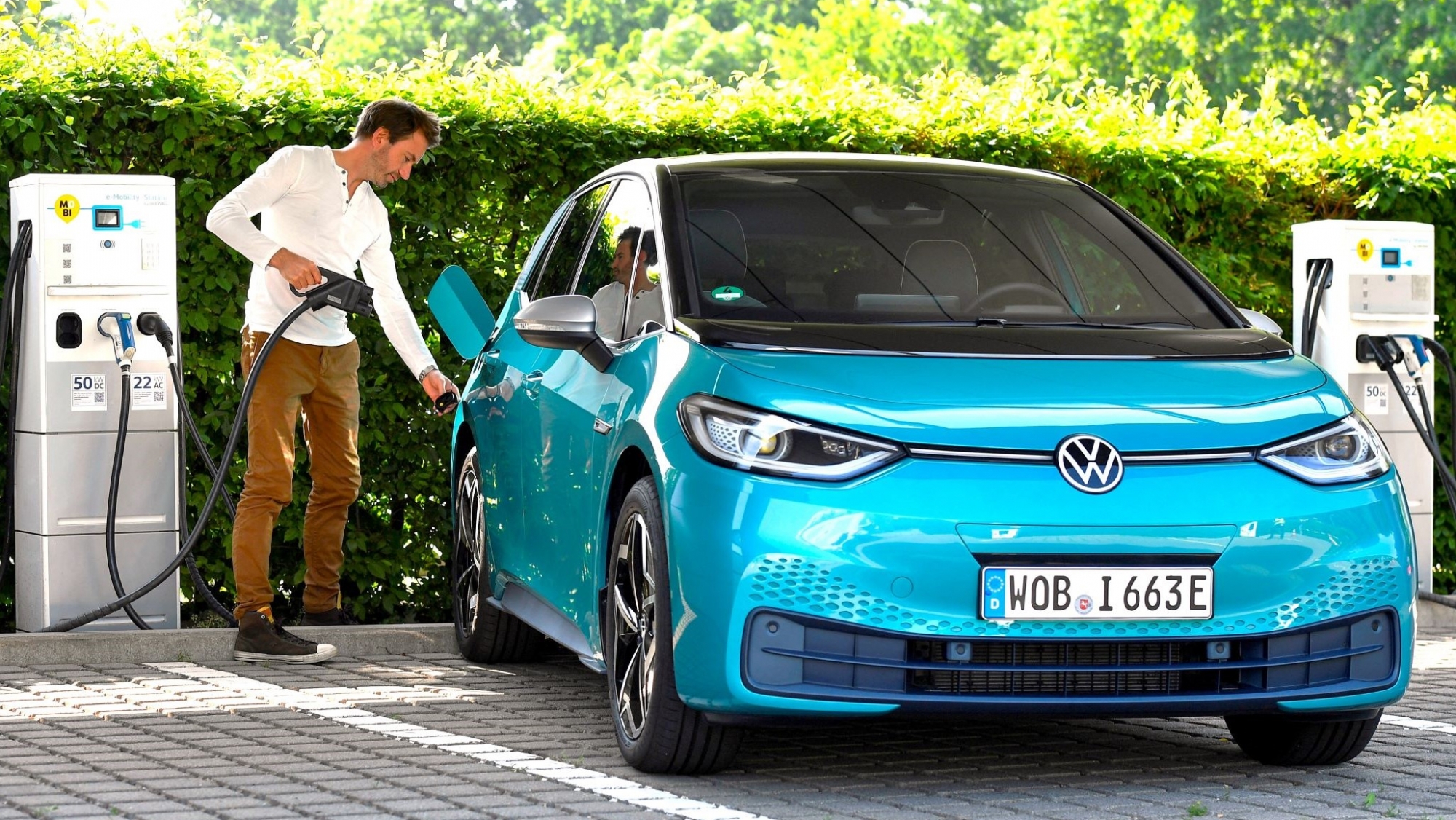
Germany’s federal transport ministry has put the brakes on long-term state support for electric and plug-in hybrid vehicles, signaling that financial incentives may not be renewed past 2029.
Newly appointed Federal Minister of Transport Steffen Bilger outlined the shift during a visit to a commercial transport firm that is integrating battery-powered trucks into its daily operations. According to statements reported by the German newspaper Die Zeit, government grants for zero-emission passenger cars should eventually lapse as the market matures and manufacturing costs decline.
Federal support packages in Germany have historically targeted hundreds of thousands of alternative-fuel vehicles to accelerate fleet modernization. The current funding framework was structured to assist in the purchase of 800,000 vehicles backed by a multi-billion-euro budget allocation designed to run through the end of the decade.
The 2029 Cutoff and Market Maturation
Bilger addressed the trajectory of electric vehicle adoption while touring the transport firm. He noted that electric and plug-in hybrid passenger cars are seeing widespread adoption but argued that ongoing public subsidies will lose their justification by 2029.
“I do not believe that further subsidies for electric cars will be necessary in the future,” Bilger stated.
The minister pointed to technological advancements and improving affordability as key drivers that will soon allow the sector to sustain itself without direct state aid.
Broader Infrastructure and Industrial Shifts
Rather than direct vehicle purchases, Bilger emphasized that the German government is prioritizing efforts to lower electricity costs nationwide.
Beyond passenger cars, federal strategy increasingly incorporates commercial transport segments. The transport ministry is actively encouraging the rollout of electric trucks and alternative commercial propulsion systems to reduce logistics-related emissions.
A Continental Transition in Flux
The discussion surrounding the subsidy timeline comes even as European markets navigate complex transitions in automotive manufacturing and consumer adoption. Countries across the continent continue to deploy various infrastructure incentives, ranging from designated urban parking spaces to adjusted speed limits for low-emission vehicles. Meanwhile, German policy officials are evaluating how long taxpayer-backed market interventions remain necessary.
This emphasis on commercial transport aligns with broader continental industrial shifts.
The Path to Economic Viability
European nations maintain divergent approaches to supporting the transition. Some governments are expanding urban charging privileges while others recalibrate financial payouts.
Yet the overarching goal remains the long-term economic viability of zero-emission transit without permanent state intervention.