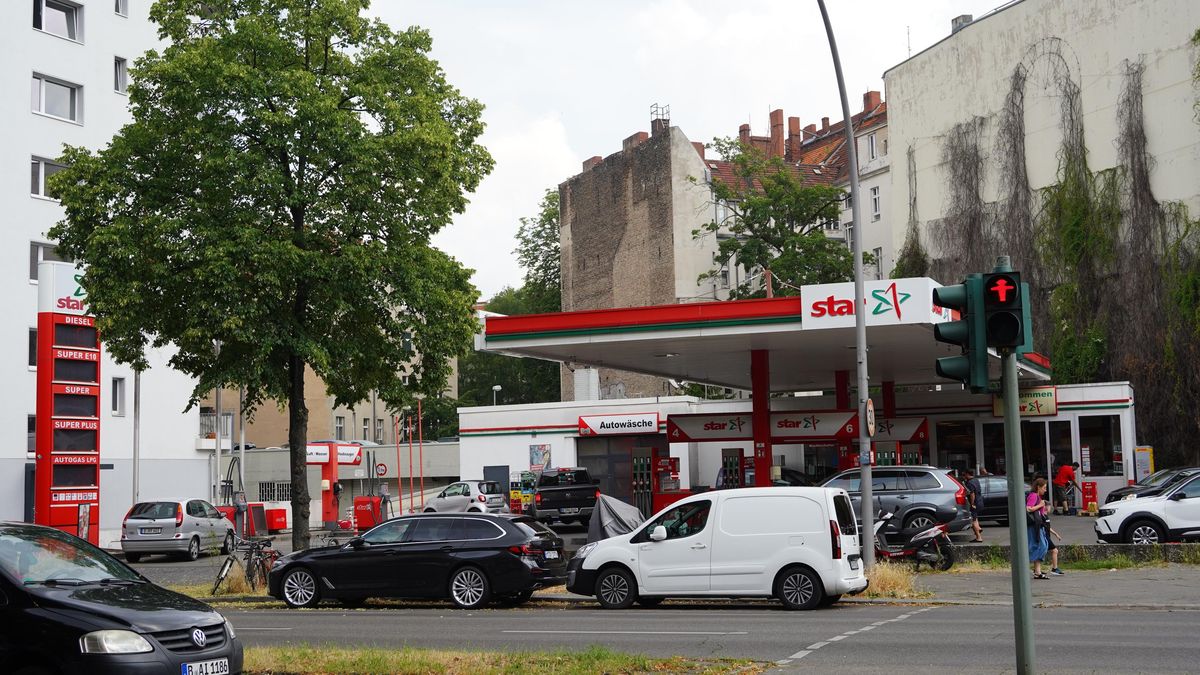
German Customs Tighten Checks on “Fuel Tourists” Amid Rising Prices
German customs authorities are increasing scrutiny of individuals crossing borders to purchase cheaper fuel, a trend spurred by rising gasoline and diesel prices within Germany. The price hikes are, in part, linked to broader geopolitical concerns, including the ongoing conflict in the Middle East. The increased checks are focused on individuals attempting to circumvent import regulations by bringing large quantities of fuel back into Germany for personal use without proper declaration. This surge in “fuel tourism” is particularly noticeable at border crossings with Poland and the Czech Republic, according to reports.
The situation highlights the impact of international events on everyday costs for consumers. While the initial impetus for the increased customs enforcement stems from concerns related to the conflict in Iran, the broader economic implications of fluctuating oil prices are also playing a significant role. Consumers are actively seeking ways to mitigate the financial burden of higher fuel costs, leading to cross-border shopping for gasoline and diesel. This practice, while legal in limited quantities, is drawing the attention of customs officials concerned about potential tax evasion.
The increased vigilance comes as fuel prices in Germany have steadily climbed. According to Deutsche Welle, average diesel prices in Germany surpassed two euros per liter in mid-March 2026. The price of gasoline is also nearing that mark, putting a strain on household budgets and prompting drivers to seek more affordable options across borders. The price difference between Germany and neighboring countries like Poland and the Czech Republic can range from 30 to 60 cents per liter, creating a significant incentive for cross-border fuel purchases.
Border Controls and Regulations
German customs officials have implemented random checks at border crossings throughout the country, focusing on individuals suspected of purchasing fuel in neighboring nations. Lisa Pörschmann, a spokesperson for the German customs administration, confirmed to Märkische Allgemeine Zeitung that the controls are aimed at ensuring compliance with import regulations. These regulations dictate the amount of fuel individuals are permitted to bring into Germany without incurring taxes or duties.
Currently, German regulations allow individuals to bring a limited amount of fuel for personal use. Beyond the fuel contained in a vehicle’s tank, only one additional container, with a maximum capacity of 20 liters, is permitted without incurring additional charges. Exceeding this limit triggers a tax obligation. The tax rate for gasoline is approximately 0.90 euros per liter, while for diesel, it’s around 0.70 euros per liter. These regulations are similar to those in place in the Czech Republic, aiming to prevent large-scale fuel smuggling and ensure fair tax collection.
The increased enforcement isn’t limited to individual drivers. Reports indicate that some individuals are transporting fuel in multiple canisters, exceeding the permitted limits. Customs officials are actively monitoring for such instances and enforcing the regulations accordingly. The focus on border controls is intended to deter illegal fuel imports and ensure that taxes are collected on all fuel consumed within Germany.
Impact on Neighboring Countries
The surge in German demand for cheaper fuel is having a noticeable impact on neighboring countries, particularly Poland and the Czech Republic. The Industrial and Commercial Chamber (IHK) of Eastern Brandenburg has reported long queues forming at Polish gas stations as German drivers seek to take advantage of lower prices. This increased demand is putting a strain on fuel supplies in border regions and potentially leading to localized shortages.
The situation underscores the interconnectedness of energy markets and the ripple effects of geopolitical events. While lower fuel prices benefit consumers in the short term, the increased demand can create logistical challenges for neighboring countries and potentially lead to price increases in those markets as well. The long lines at Polish gas stations are a visible sign of this dynamic, demonstrating the immediate impact of price differentials on consumer behavior.
The Czech Republic is also experiencing an influx of German drivers seeking cheaper fuel. While specific data on the number of “fuel tourists” is not yet available, anecdotal evidence suggests a significant increase in cross-border fuel purchases. This trend is likely to continue as long as the price difference between Germany and its neighbors remains substantial.
Broader Context: Fuel Prices and Geopolitical Factors
The recent increase in fuel prices in Germany is not solely attributable to the conflict in Iran. A complex interplay of factors, including global oil supply and demand, geopolitical tensions, and currency fluctuations, is contributing to the rising costs. The ongoing conflict in the Middle East has added a layer of uncertainty to the oil market, leading to concerns about potential disruptions to supply.
The price of crude oil, the raw material for gasoline and diesel, is a key driver of fuel prices. Any disruption to oil production or transportation can quickly translate into higher prices at the pump. Geopolitical instability, such as conflicts or political unrest in oil-producing regions, can exacerbate these concerns and further drive up prices. Currency exchange rates can also play a role, as oil is typically priced in US dollars.
The situation in Iran, specifically the tensions following the reported Israeli strike on an Iranian consulate in Damascus on April 1, 2024, as reported by Wikipedia here, has heightened anxieties about potential disruptions to oil supplies. While Iran is not a major oil producer itself, it controls strategic waterways, such as the Strait of Hormuz, through which a significant portion of the world’s oil supply passes. Any disruption to shipping through this strait could have a significant impact on global oil prices.
What to Expect Next
German customs authorities are expected to maintain increased vigilance at border crossings in the coming weeks and months. The level of enforcement will likely depend on the evolution of fuel prices and the continued influx of “fuel tourists.” Monitoring the situation in the Middle East and its potential impact on oil supplies will also be crucial.
Consumers can expect continued volatility in fuel prices, influenced by a range of factors beyond their control. Staying informed about global events and energy market trends can assist individuals make informed decisions about their fuel consumption. The ADAC, Germany’s automobile club, provides regular updates on fuel prices and market conditions, as reported by Deutsche Welle here.
The situation also highlights the importance of diversifying energy sources and reducing reliance on fossil fuels. Investing in renewable energy technologies and promoting energy efficiency can help mitigate the impact of fluctuating oil prices and enhance energy security.
As of March 7, 2026, the situation remains fluid. Customs officials will continue to monitor border crossings and enforce regulations regarding fuel imports. Further developments in the Middle East and global oil markets will undoubtedly influence fuel prices and consumer behavior in Germany and beyond. We encourage readers to share their experiences and perspectives on this issue in the comments below.
Keep reading