
As the international football calendar intensifies, the German national team—the DFB-Elf—continues its rigorous preparation for upcoming major tournament challenges. Recent tactical assessments and high-stakes friendly matches have provided head coach Julian Nagelsmann with critical data points as he looks to refine his squad’s cohesion and tactical flexibility. The team’s commitment to these preparation phases remains a cornerstone of their strategy to maintain competitive readiness on the global stage.
The recent performance of the German national team against Finland serves as a significant case study for football analysts and supporters alike. Following a challenging start to the fixture, the team demonstrated remarkable resilience, ultimately securing a decisive result. This ability to overcome early-match adversity is a hallmark of a side aiming for consistency, and it provides a clear window into how the current coaching staff evaluates player performance under pressure.
Tactical Evolution Under Nagelsmann
For observers of the German squad, the most compelling narrative has been the tactical experimentation deployed by Julian Nagelsmann. The national team manager has been transparent about his desire to cultivate a squad capable of adapting to varying game states. The recent rotation of the starting XI, which drew considerable attention from fans and media, reflects a broader philosophy of meritocracy and tactical fluidity. Nagelsmann’s approach emphasizes that no position is permanently fixed, forcing players to maintain peak performance levels during every training session and test match.
This approach to team management is essential as the DFB (Deutscher Fußball-Bund) navigates the complexities of modern international football. By testing different combinations against opponents like Finland, the coaching staff can identify which partnerships flourish under fatigue and which tactical shapes provide the best defensive stability while maintaining an aggressive attacking output. According to official DFB news releases, the emphasis remains on building a core group that understands the nuances of the manager’s tactical vision.
Analyzing Performance Metrics
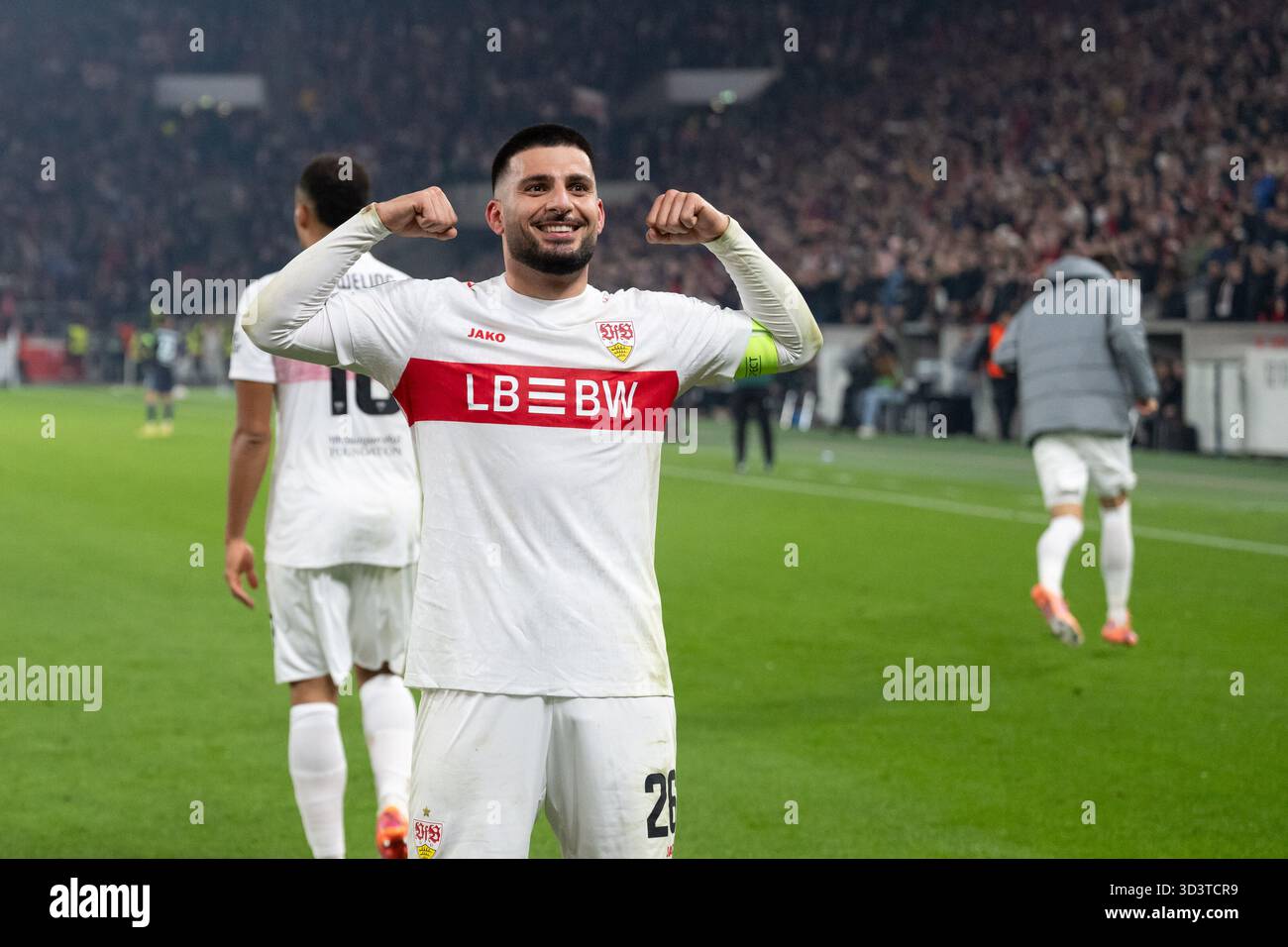
The recent victory over Finland was characterized by a potent offensive display after the initial period of adjustment. Deniz Undav, whose contributions were a highlight of the match, exemplified the clinical finishing that the team has been working to standardize. His performance in front of goal not only secured the result but also underscored the depth available to the coaching staff. For those tracking the team’s progress, such individual brilliance is a testament to the effectiveness of the current offensive training drills.

However, the match also highlighted areas requiring continued refinement. Defensive transitions remain a focal point, particularly when the team commits high numbers to the attack. As noted in recent UEFA competition updates, the ability to manage the game after establishing a lead is crucial for success in tournament environments. Nagelsmann’s post-match reflections consistently point to a need for greater concentration during the opening fifteen minutes, an area where the team has occasionally shown vulnerability against organized opponents.
Key Takeaways for Supporters
- Tactical Versatility: The coaching staff is actively testing multiple formations to ensure the squad can adapt to different styles of play.
- Squad Depth: The emergence of players like Undav provides healthy competition for starting roles in the attacking third.
- Consistency: The primary objective for the coming months is to eliminate the “stumbling starts” seen in recent fixtures and maintain intensity from the first whistle.
- Upcoming Schedule: Fans are encouraged to follow the official DFB match calendar for details on future friendlies and competitive qualifiers.
Looking Ahead to the Next Challenge
As the team shifts its focus toward the next series of matches, the atmosphere within the camp remains one of focused determination. The lessons learned from the recent test against Finland will be integrated into the upcoming training camps. For Nagelsmann, the goal is clear: to forge a unit that is not only talented but also mentally robust enough to handle the pressures of high-stakes international competition.
The road to the next major tournament is paved with these developmental steps. Whether it is refining the defensive block or optimizing the final pass, every minute on the pitch serves a specific purpose in the grander design of the DFB-Elf. As we look toward the next confirmed international window, the expectation is that the squad will continue to grow in cohesion and tactical maturity. We invite our readers to share their thoughts on the recent performances and the team’s direction in the comments section below.
Related reading