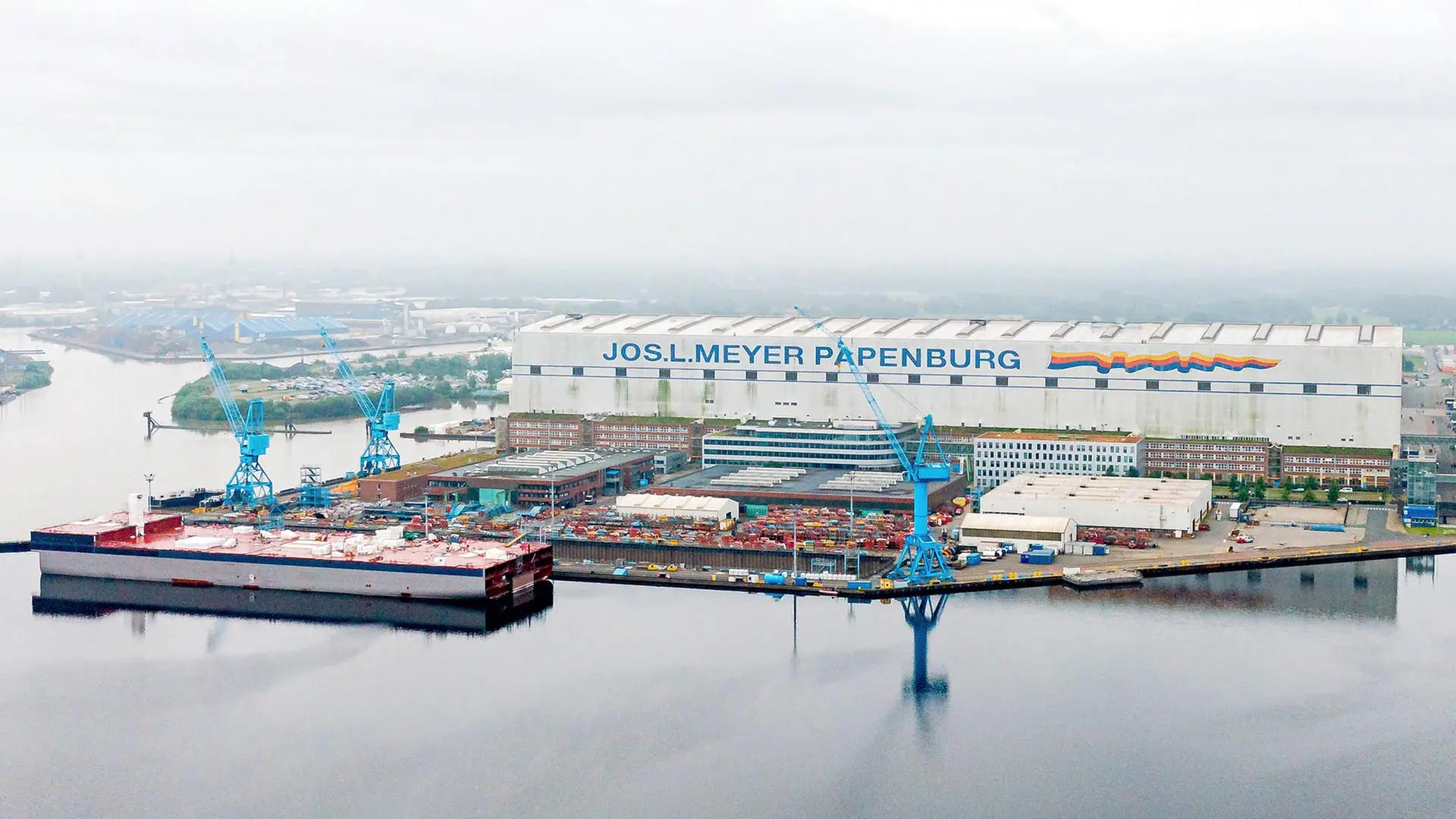
German industrial firm Siemens Energy and a consortium of partners have secured a multi-billion euro contract to construct offshore converter stations, marking a significant expansion in the country’s capacity to integrate wind power into the national grid. The project, which involves the development of essential infrastructure for the “Energiewende” (energy transition), is expected to create approximately 500 new jobs in northern Germany, according to official company statements and reporting from the Federal Ministry for Economic Affairs and Climate Action.
This industrial investment focuses on building the technological backbone required to transport electricity generated by offshore wind farms to mainland industrial hubs. By leveraging expertise in high-voltage direct current (HVDC) transmission, the project aims to stabilize the energy supply as Germany continues its shift away from fossil fuels. The initiative represents a notable return to large-scale offshore manufacturing for German shipyards and technology providers, who are increasingly competing with international firms for dominance in the renewable energy supply chain.
Infrastructure for the Energy Transition
The core of this investment lies in the construction of massive offshore converter platforms. These stations are critical for the transmission of electricity from wind farms located in the North and Baltic Seas. As the transmission system operator 50Hertz explains, HVDC technology is required to minimize energy loss over the long distances between offshore turbines and inland consumers. The contract involves a consortium led by Siemens Energy and the Belgian company Iemants, a subsidiary of Smulders, to manufacture the platforms.
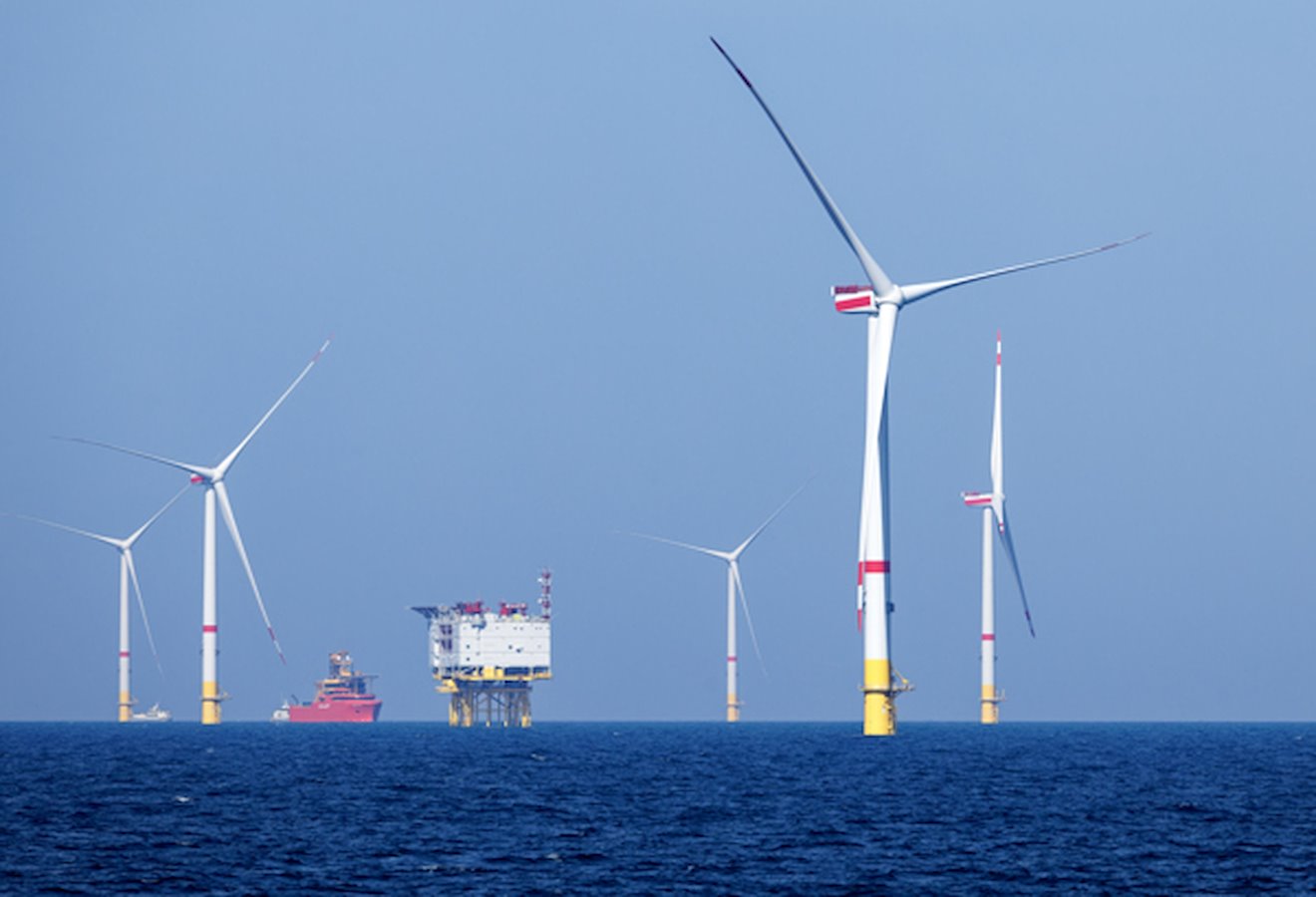
These platforms function as the “heart” of the offshore wind grid, converting alternating current (AC) produced by turbines into direct current (DC) for efficient long-distance transmission. With the German government setting ambitious targets to reach 30 gigawatts of offshore wind capacity by 2030, as outlined in the Offshore Wind Energy Act (WindSeeG), the demand for such converter infrastructure has surged. This development is part of a broader strategy to ensure that the rapid expansion of wind energy capacity does not outpace the grid’s ability to handle the load.
Economic Impact and Employment
The influx of capital into the northern German maritime sector is expected to have a tangible impact on the regional economy. The creation of roughly 500 jobs is concentrated in specialized engineering and maritime construction roles, particularly at traditional shipyards that have pivoted toward the renewable energy sector. This transition is seen by local authorities as a vital step in preserving maritime expertise while aligning industrial output with national climate goals.

According to data from the Federal Statistical Office (Destatis), the growth in the offshore wind sector has become a primary driver for investment in Germany’s northern coastal states. By securing these high-value contracts, German firms are positioning themselves to capture a larger share of the European offshore market, which is projected to see sustained growth throughout the decade. The shift from traditional shipbuilding to the fabrication of energy infrastructure requires significant retraining and investment in specialized facilities, a process that is currently underway in hubs such as Rostock and Bremerhaven.
Technical Challenges and Future Outlook
While the investment signals a positive outlook for the offshore sector, the industry faces ongoing supply chain constraints. The production of converter platforms is a highly complex engineering task that requires precise coordination between electrical engineers and maritime constructors. Delays in the procurement of raw materials or components could pose risks to the project timelines, which are strictly aligned with the federal government’s grid expansion schedule.
Looking ahead, the next significant milestone for these projects will be the commencement of the steel-cutting phase for the first platforms, which is slated to begin in the coming months. Stakeholders are also monitoring the regulatory environment, as the Federal Network Agency (Bundesnetzagentur) continues to oversee the grid development plans required to connect these new platforms to the national transmission system. Regular updates on the progress of these offshore connections are published by the agency to ensure transparency for both investors and the public.
For those interested in the ongoing development of Germany’s offshore energy infrastructure, official project disclosures and updates on grid capacity expansion are available through the Federal Ministry for Economic Affairs and Climate Action. We welcome readers to share their insights on the role of industrial policy in the energy transition in the comments section below.