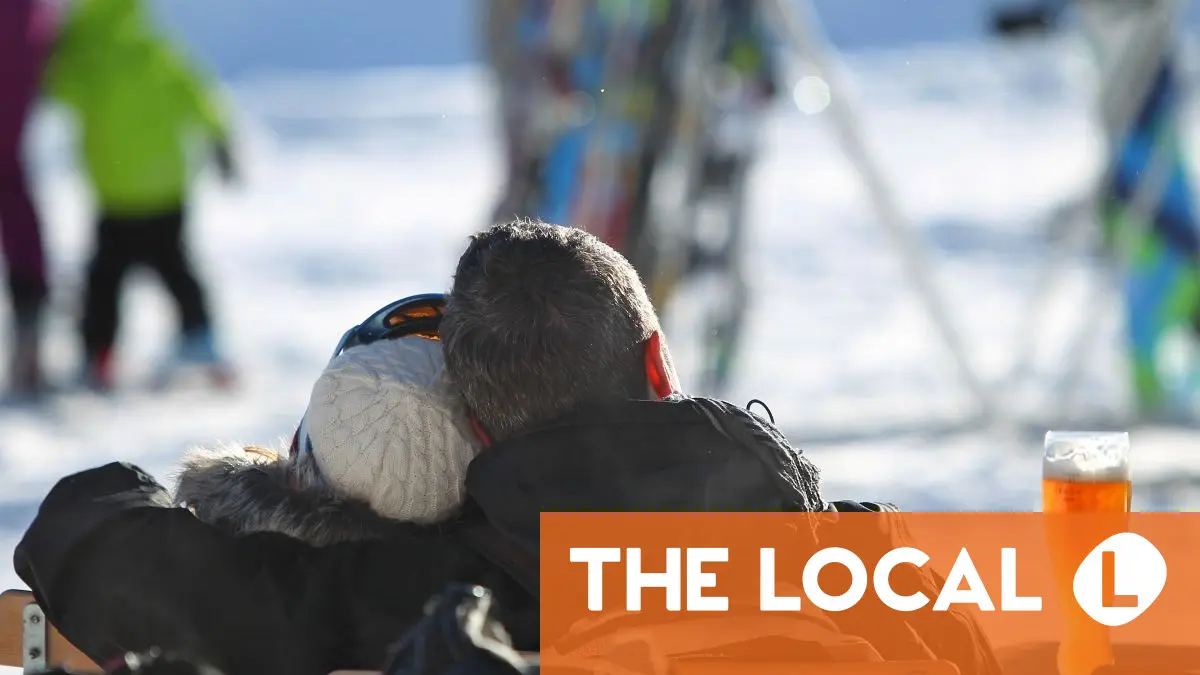
Skiing adn Alcohol in Germany: What You Need to Know
Planning a ski trip to Germany? You might be wondering about the rules regarding alcohol consumption on the slopes. While Germany doesn’t have a specific legal blood alcohol limit for skiers, that doesn’t mean you can indulge freely and ski without consequence. Here’s a comprehensive guide to navigating the rules, risks, and responsibilities of enjoying a drink while skiing in Germany.
Is Drinking Alcohol Allowed While Skiing?
Technically, yes. Unlike some countries, Germany doesn’t explicitly prohibit alcohol on the ski slopes. Though,the lack of a specific limit doesn’t equate to a free pass. You are still responsible for your actions and ensuring the safety of yourself and others.
As legal expert Kay Rodegra explains, “There is no fixed blood alcohol limit, but you are not allowed to ski fully drunk or under the influence of drugs.” This is a crucial distinction.
The FIS Rules & Your Duty
Even without a German law defining impairment, the International Ski Federation (FIS) rules apply to everyone on the slopes. These rules emphasize:
* responsibility: Every skier must behave in a way that doesn’t endanger others.
* Ability: Ski within your skill level.
* Acuity: Maintain both mental and physical sharpness.
Violating FIS guidelines isn’t a criminal offense,but it can lead to critically important legal liability if an accident occurs. Remember, prioritizing safety is paramount.
What Happens If You Cause an Accident While Intoxicated?
this is where things get serious. Even without a specific legal limit, being under the influence can dramatically increase your liability in an accident.
Here’s what you need to consider:
* Fault & Damages: Intoxication can be presented as evidence of negligence in civil proceedings. This means you could be held fully or partially responsible for any injuries or damages you cause.
* Insurance Voided: Many Germans carry personal liability insurance ( Haftpflichtversicherung). however, your coverage can be voided if you were intoxicated at the time of the accident.
* Significant Costs: According to Nürnberger versicherung, the average cost of damages in a ski accident is around €7,900. That’s a hefty sum to cover out-of-pocket.
Don’t assume your insurance will protect you if you’ve been drinking.
Lift Operators Have the Authority to Intervene
Ski resort operators aren’t passive observers. They have the right to:
* revoke Lift Tickets: If you appear too intoxicated, they can pull your lift ticket.
* Confiscate Passes: They can even confiscate your ski pass if you pose a risk to yourself or others.
These measures are in place to protect everyone on the mountain.
Practical Advice: Skiing Responsibly
While enjoying a drink with your après-ski might be tempting, here’s how to stay safe and avoid potential legal and financial repercussions:
* Prioritize Sobriety: The safest option is to avoid alcohol until after you’ve finished skiing for the day.
* Know Your Limits: If you choose to have a drink at a mountain lodge, be mindful of your personal limit.
* Err on the Side of Caution: When in doubt, abstain.Your safety and the safety of others are more important than a beer or schnapps.
* Consider Insurance: Ensure your personal liability insurance covers ski accidents,and understand the conditions that could void your coverage.
Resources for Further Details:
* German Liability Insurance: https://www.thelocal.de/20220826/haftpflichtversicherung-what-is-german-liability-insurance-and-do-you-need-it
* BR3 Article on Skiing Rules: [https://www.bayern3.de/skifahren-piste-regeln-recht-alkohol-unfall](https://www.bay