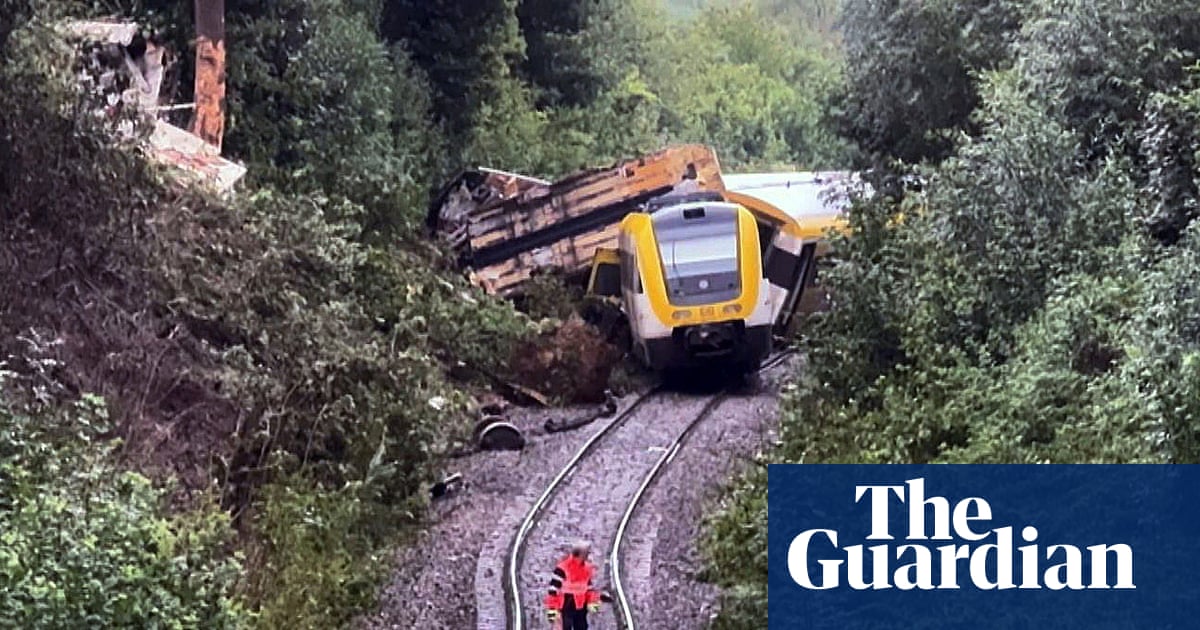
Germany train Derailment: Latest Updates, Causes & Safety Concerns
A regional passenger train derailed in southwestern Germany on Sunday, July 27th, resulting in tragedy and raising renewed questions about teh nationS rail infrastructure. Initial reports indicated four fatalities, but authorities have since confirmed three deaths and multiple injuries. The incident occurred near Riedlingen in Baden-Württemberg, impacting approximately 100 passengers traveling from Sigmaringen to Ulm.
This article provides a complete overview of the Germany train derailment, covering the latest updates, potential causes, the ongoing investigation, and the broader context of rail safety in Germany.
What Happened? The Riedlingen Train Derailment
The derailment took place around 6:10 pm local time in a wooded area. two train carriages left the tracks, coming to rest on their sides. Emergency services swiftly responded to the scene, including firefighters, paramedics, and helicopters to transport the injured to nearby hospitals. footage from the site depicts a chaotic scene, wiht rescue workers working to reach passengers within the overturned carriages.Deutsche bahn, the German rail operator, has confirmed the casualties and injuries. While the exact number of those injured remains undisclosed, authorities are focusing on providing medical attention and support to those affected.
Possible Causes: Landslide & Infrastructure Concerns
The cause of the derailment is currently under investigation. However, early reports suggest a possible link to the severe storms that swept through the region. German media outlets speculate that a landslide may have contributed to the incident, potentially destabilizing the tracks.
This incident has reignited a long-standing debate about the state of Germany’s rail infrastructure. For years, passengers have voiced concerns regarding frequent delays and technical issues, often citing outdated systems.The German government has acknowledged these problems and pledged substantial investment – hundreds of billions of euros – to modernize the network over the coming years.
A History of Rail Accidents in Germany
Unfortunately, this isn’t an isolated incident. Germany has experienced several notable rail accidents in recent years:
June 2022: A derailment near a Bavarian Alpine resort resulted in four deaths and dozens of injuries.
1998 (Eschede): The country’s deadliest rail disaster occurred in Eschede, Lower Saxony, claiming the lives of 101 people. This tragedy involved a high-speed train operated by Deutsche Bahn.
These past events underscore the critical need for ongoing investment in rail safety and infrastructure maintenance.
Official Response & Condolences
german Chancellor Friedrich Merz has expressed his deepest condolences to the families of the victims. He stated he is in close communication with the interior and transport ministers, ensuring emergency services recieve all necessary support.The investigation is being prioritized to determine the precise cause of the derailment and prevent future occurrences.
Impact on Rail Traffic
Following the accident, rail traffic has been suspended along a 40km (25-mile) stretch of the affected route. This disruption is impacting regional travel, and passengers are advised to check for updates and option transportation options. Deutsche Bahn is working to restore service as quickly as possible, but a timeline for full resumption remains uncertain.
Evergreen Section: The Future of Rail Safety in Germany
The Riedlingen derailment serves as a stark reminder of the importance of proactive investment in rail infrastructure.Modernization efforts aren’t simply about improving speed and efficiency; they are fundamentally about ensuring passenger safety.Key areas of focus include:
Advanced Track Monitoring: Implementing sophisticated systems to detect potential track defects and landslides before they pose a risk.
Digital Rail Technology: utilizing digital signaling and control systems to enhance safety and optimize train operations.
Infrastructure Resilience: Strengthening infrastructure to withstand extreme weather events, such as heavy rainfall and landslides.
Regular Maintenance & Inspections: Maintaining a rigorous schedule of preventative maintenance and thorough inspections.
Frequently Asked Questions (FAQ) – Germany Train Derailment
1. What caused the Germany train derailment near Riedlingen?
while the investigation is ongoing, initial reports suggest a possible landslide triggered by severe storms may have contributed to the derailment.
2. How many people where injured in the Germany train accident?
Authorities have confirmed multiple injuries, but the exact number and severity remain undisclosed at this time.Emergency services are providing medical care to those affected.
3. Is the train route from Sigmaringen to Ulm still affected by the derailment?
yes, rail traffic has been suspended on a 40km stretch of the route. Passengers are advised to check for updates and alternative travel arrangements.