
Germany’s industrial backbone is showing signs of severe strain as new data suggests a looming contraction in the labor market. According to the latest employment outlook from the Ifo Institute for Economic Research, a significant number of companies are planning workforce reductions, signaling one of the most challenging employment landscapes the country has faced since the peak of the COVID-19 pandemic.
For the global observer, this trend is not merely a corporate restructuring phase but a symptom of a deeper systemic crisis. The intersection of stagnant economic growth, skyrocketing energy costs, and a mounting burden of social security contributions is creating a “scissors effect” that traps both employers and employees. As a physician and health journalist, I have watched the healthcare system struggle with these same pressures, but the current data suggests the contagion is spreading across all sectors of the German economy.
The primary driver of this instability is a volatile cocktail of “framework conditions”—the structural rules and costs that govern how business is done in Germany. While the government attempts to maintain a robust social safety net, the cost of doing so is increasingly shifted onto the shoulders of the active workforce and the companies that employ them. This tension is manifesting in a precarious balance between rising pension obligations and the escalating costs of the statutory health insurance system.
The current economic climate has left many firms questioning the sustainability of their current staffing levels. With the Ifo Institute reporting a downturn in hiring intentions and an increase in planned layoffs, the German “Mittelstand”—the minor and medium-sized enterprises that drive the nation’s exports—is particularly vulnerable. The result is a labor market that is simultaneously suffering from a shortage of skilled workers and a wave of planned redundancies.
The Ifo Warning: A Labor Market in Retreat
The Ifo Institute’s employment outlook serves as a critical barometer for the German economy. Recent surveys indicate that the optimism that followed the pandemic recovery has evaporated, replaced by a cautious, often pessimistic, approach to staffing. The trend toward job cuts is not limited to a single industry but is visible across manufacturing, logistics, and services.
Industry analysts point to several catalysts for this shift. First, the transition to a green economy has imposed immense costs on energy-intensive industries, forcing companies to streamline operations to remain competitive globally. Second, the persistence of high inflation has eroded consumer purchasing power, leading to a drop in demand for German-made goods. When demand falls and costs rise, the most immediate lever for corporate survival is often the reduction of payroll.
This trend is particularly alarming because it contradicts the long-standing narrative of a “labor shortage” (Fachkräftemangel). While it remains true that Germany lacks qualified engineers and healthcare professionals, the current wave of planned cuts suggests that the *type* of jobs being eliminated may not align with the *type* of skills currently in demand. We are witnessing a structural misalignment where companies are shedding traditional roles while struggling to find talent for digitized, sustainable production.
The Health Insurance Squeeze: The GKV Crisis
From my perspective as a medical doctor and health editor, the most concerning element of this economic downturn is the escalating cost of the Statutory Health Insurance (Gesetzliche Krankenversicherung, or GKV). The GKV is currently facing a structural deficit that threatens its long-term viability, leading to a steady increase in contributions for both employees and employers.
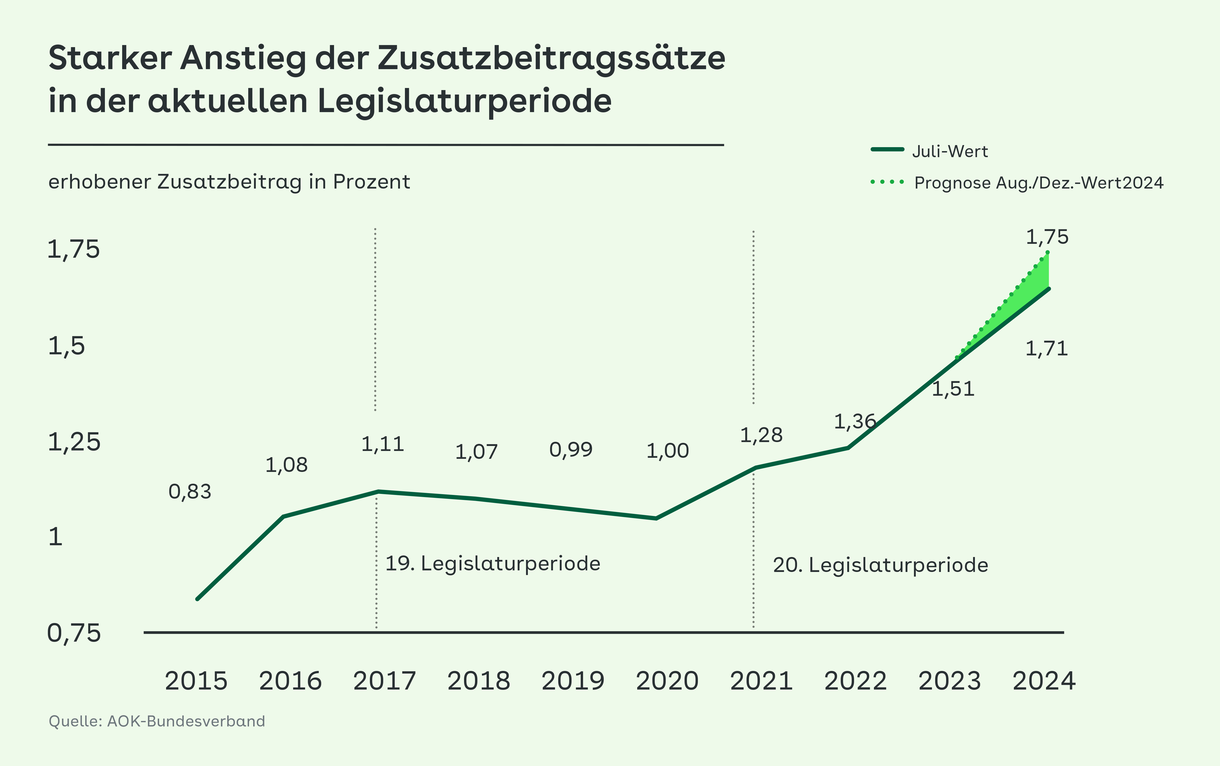
The primary mechanism for addressing these deficits is the “Zusatzbeitrag,” or additional contribution. Because the base contribution rate is set by law, health insurance funds must levy this additional fee to cover their costs. According to data from the Federal Ministry of Health, these additional contributions have been trending upward as the system struggles to maintain pace with the costs of medical innovation and an aging population.
The mathematics of the GKV crisis are simple but brutal: an aging society requires more complex, expensive care, while the ratio of active contributors to beneficiaries is shrinking. This is not just a medical issue; We see a fiscal one. When the GKV contribution rises, the net take-home pay for the worker decreases, and the “non-wage labor costs” for the employer increase. This makes hiring more expensive and firing more attractive, directly contributing to the job cuts highlighted by the Ifo Institute.
Why Medical Costs are Rising
The increase in GKV spending is driven by several factors that go beyond simple demographics:
- Advanced Therapeutics: The introduction of highly effective but expensive gene therapies and personalized medicines has increased the cost per patient.
- Chronic Disease Burden: A rise in lifestyle-related chronic conditions, such as Type 2 diabetes and cardiovascular diseases, requires lifelong, expensive management.
- Infrastructure Costs: The modernization of hospital networks and the digitalization of patient records (ePA) require massive upfront investments.
The Pension Paradox and the Demographic Trap
Parallel to the health insurance crisis is the pressure on the statutory pension system. Germany utilizes a “pay-as-you-go” system (Umlageverfahren), where the contributions of current workers directly fund the pensions of current retirees. This system relies on a stable demographic pyramid; however, that pyramid has effectively inverted.
As the “Baby Boomer” generation enters retirement, the number of pension recipients is growing faster than the number of people paying into the system. To prevent a collapse in the standard of living for retirees, the government has frequently adjusted pension levels upward. While this is a social necessity, it creates an economic paradox: higher pensions require higher contribution rates from the working population.
The Deutsche Rentenversicherung manages this delicate balance, but the trend is clear. The rising cost of pensions, combined with the rising cost of health insurance, creates a heavy financial burden on the “active” economy. When a company looks at its balance sheet, the cost of employing a single worker includes not just the salary, but a significant percentage dedicated to these social security mandates.
The “Scissors Effect”: Impact on the Working Class
The convergence of these factors creates what economists call a “scissors effect.” On one side, the cost of living is rising due to inflation. On the other, the net income of the worker is being squeezed by increasing deductions for health insurance and pensions.
For the average employee, this manifests as a stagnant or declining real wage. For the employer, it manifests as a loss of international competitiveness. If a German company must pay significantly more in social overhead than a competitor in the U.S. Or Asia, the incentive to move production abroad—or simply reduce the domestic workforce—becomes overwhelming.
This creates a precarious cycle. Job cuts lead to lower overall tax revenue and fewer contributors to the GKV and pension funds. To compensate for the loss of revenue, the state may be tempted to raise contribution rates even further, which in turn triggers more job cuts. Breaking this cycle requires a fundamental rethink of how social security is funded in a post-industrial, aging society.
Comparison of Social Security Pressures
| Factor | Primary Driver | Economic Impact |
|---|---|---|
| GKV (Health) | Aging population & medical innovation | Higher “Zusatzbeitrag” reducing net pay |
| Pension System | Baby Boomer retirement wave | Increased pressure on contribution rates |
| Energy Costs | Geopolitical shifts & green transition | Reduced corporate margins, forcing layoffs |
| Demographics | Low birth rates / Skilled labor shortage | Structural mismatch in the labor market |
What This Means for the Future of the German Economy
The warnings from the Ifo Institute are a call for urgent structural reform. Germany cannot rely solely on the resilience of its industrial base to absorb the costs of an aging society. There is a growing debate among policymakers about introducing “capital-funded” elements to the pension system—moving away from a pure pay-as-you-go model to reduce the burden on the current workforce.
Similarly, the healthcare sector requires a shift toward “value-based care,” focusing on outcomes rather than the volume of services provided. As a physician, I believe that investing in preventative medicine is the only way to bend the cost curve of the GKV. By reducing the incidence of chronic diseases, we can lower the long-term financial burden on the social security system, thereby making it more affordable for companies to employ people.
For the global investor and observer, Germany’s struggle is a preview of the challenges other developed nations will face. The “German Model” of high social security and high industrial productivity is being tested like never before. The ability of the government to lower the burden on the economy without dismantling the social safety net will determine whether the current trend of job cuts is a temporary dip or the start of a long-term decline.
Key Takeaways for Professionals and Employees
- Employment Outlook: The Ifo Institute indicates a significant trend toward job reductions, driven by high costs and low demand.
- Insurance Costs: The GKV is facing structural deficits, leading to higher additional contributions (Zusatzbeitrag) for workers and firms.
- Pension Pressure: The “pay-as-you-go” system is strained by the retirement of the Baby Boomer generation.
- Competitive Risk: High non-wage labor costs are making German industry less competitive globally, incentivizing workforce reductions.
- Systemic Need: Structural reforms in healthcare (prevention) and pensions (capital funding) are increasingly viewed as necessary.
The next critical checkpoint for these developments will be the release of the next quarterly employment survey from the Ifo Institute and the official announcement of the GKV contribution rates for the upcoming fiscal year. These data points will reveal whether the current trajectory is stabilizing or accelerating.
Do you believe the current social security model is sustainable in an aging society, or is it time for a fundamental shift in how we fund health and retirement? Share your thoughts in the comments below or share this analysis with your professional network.
Worth a look
- Breast Cancer Awareness Month: Screening, Events, and the Voices Often Forgotten
- Dentist vs. Patient: Who Suffers More from Stock Market Losses?
- Gladys Gonzalez, Suazo Business Center Founder, Dies (archynewsy.com)
- Greece Tourism Crisis: Luxury Costs, Water Scarcity, and Infrastructure Strain (newsdirectory3.com)