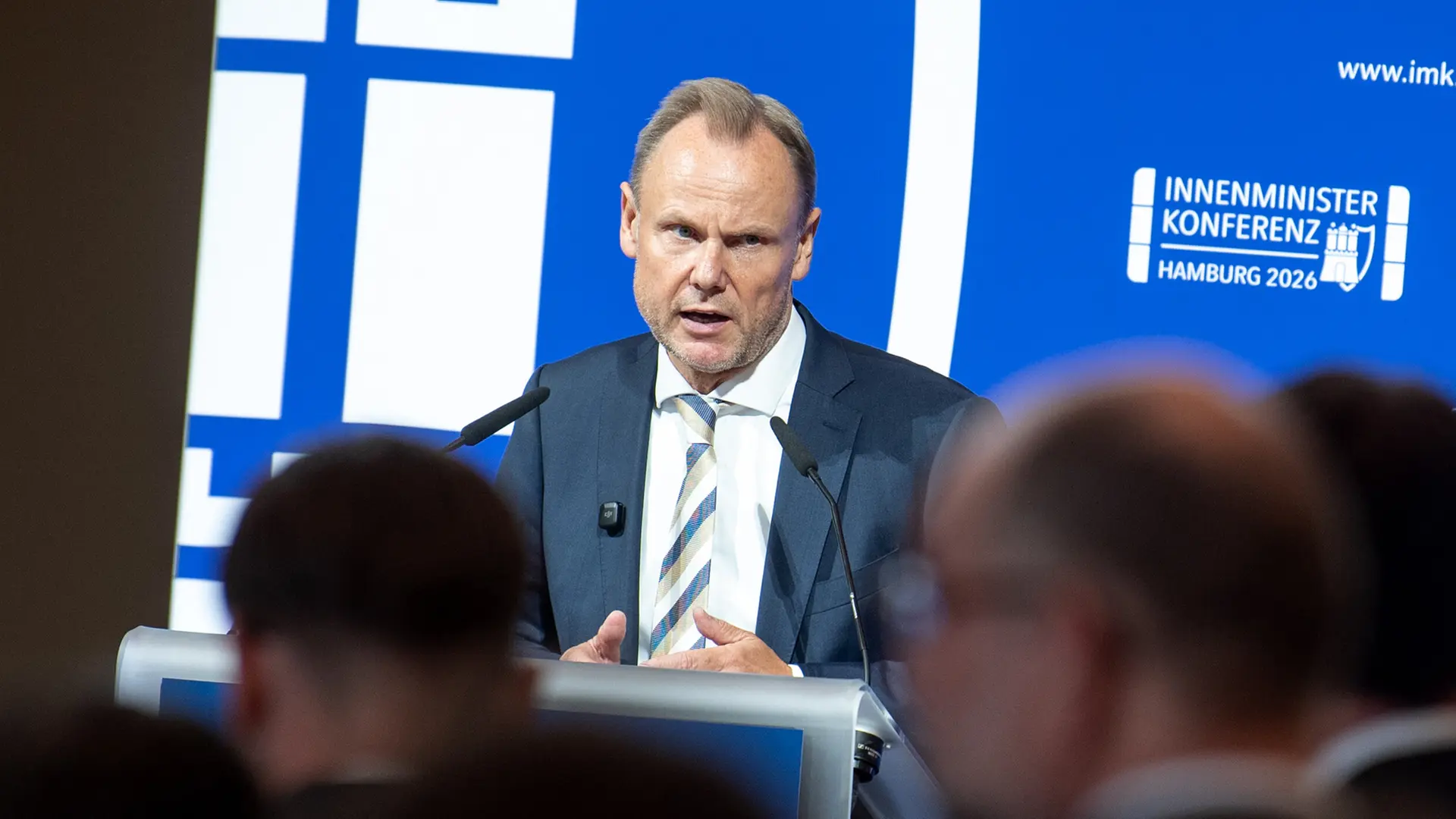
State and federal interior ministers convened in Hamburg this week for the 221st Interior Ministers’ Conference (IMK), prioritizing the modernization of civil protection and national security infrastructure. The summit, hosted by Hamburg’s Interior Senator Andy Grote, marks a shift toward long-term crisis resilience in response to changing geopolitical threats and the necessity of upgrading aging emergency response systems, according to the official conference agenda published by the Standing Conference of the Ministers and Senators of the Interior.
The conference, which serves as the primary body for coordinating domestic policy across Germany’s 16 federal states, addresses the urgent need to transition from reactive disaster management to proactive protection. Officials are evaluating proposals for new bunker infrastructure, improved early-warning technologies, and the digital integration of emergency communication networks, as reported by the Federal Ministry of the Interior and Community.
Modernizing Civil Protection Infrastructure
A central focus of the deliberations is the revitalization of Germany’s civil defense capabilities, a sector that saw significant disinvestment following the end of the Cold War. The ministers are reviewing a strategy to identify and repurpose existing underground facilities while investing in mobile alert systems capable of reaching citizens during power grid failures or cyberattacks. According to data from the Federal Office of Civil Protection and Disaster Assistance (BBK), the current goal is to ensure that critical infrastructure can maintain operational capacity even during large-scale systemic shocks.
The push for increased spending on “crisis-proof” technology remains a point of debate among state representatives. While there is a consensus on the need for better equipment, the distribution of costs between the federal government and individual states remains a complex negotiation. Financial allocations for these upgrades are expected to be formalized in the upcoming federal budget cycles, according to statements released by the Bundesrat.
Addressing Security and Emerging Threats
Beyond physical infrastructure, the conference is tackling the growing challenge of drone activity over sensitive sites. Recent incidents in Hamburg and other regions have prompted demands for stricter regulatory frameworks and the deployment of advanced electronic countermeasures. The Hamburg Police Department has confirmed that protecting critical infrastructure against unauthorized aerial surveillance is now a top priority for state security agencies, necessitating closer cooperation with federal aviation authorities.
The dialogue also includes discussions on the division of powers and the legal boundaries of surveillance in the digital age. As federal ministers weigh the implementation of more robust security protocols, they must balance these requirements against existing data protection laws and the constitutional rights of citizens. The Federal Constitutional Court continues to provide the legal parameters within which these security measures must operate, ensuring that administrative actions remain compliant with the Basic Law.
The Path Toward a Resilient Future
The current discussions in Hamburg represent the latest effort to synchronize security policies across the German federation. With the next formal review of these measures scheduled for the upcoming autumn session of the IMK, stakeholders are expected to finalize specific procurement plans for emergency equipment and communication platforms. The Standing Conference of the Ministers and Senators of the Interior has noted that the objective is to establish a unified federal standard that can be implemented at the local level by late 2025.
As the conference concludes, the focus shifts from policy formulation to implementation. Readers seeking official updates on the outcomes of these sessions, including specific directives regarding civil defense and law enforcement resources, can monitor the Federal Ministry of the Interior’s official portal. The effectiveness of these measures will ultimately depend on the consistent application of these standards across all federal states. We welcome your thoughts on how these security shifts may impact your local community in the comments section below.
Related reading