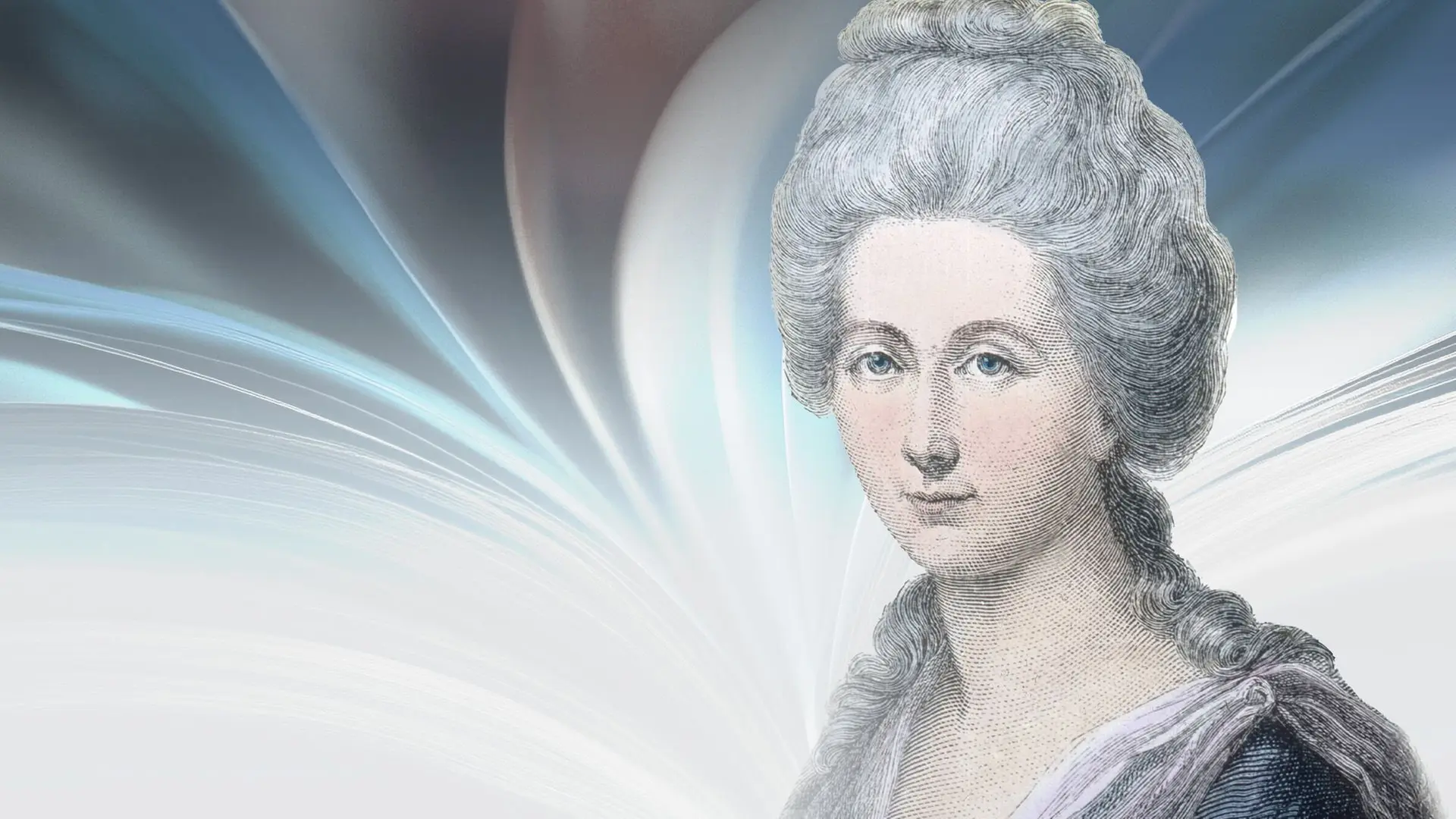
The audio production of Thomas Mann’s Lotte in Weimar, specifically the fifth installment of the 23-part series broadcast by MDR Kultur, continues to draw listeners interested in the intersection of German literary history and high-fidelity radio drama. The series features the voice of Gert Westphal, a legendary figure in German-language audiobooks and radio performance, whose interpretation of Mann’s complex narrative style is widely considered a benchmark in the genre.
Gert Westphal, born in Dresden in 1920, remains a pivotal figure in the history of German broadcasting. According to records from the Deutsche Biographie, Westphal’s upbringing in a cultivated, upper-middle-class environment in Dresden provided the intellectual foundation for his later career as a versatile actor and director. After completing his secondary education at a gymnasium, Westphal pursued a path that would eventually see him become one of the most recognizable voices in German literary broadcasting, particularly through his long-standing collaboration with public broadcasters like Südwestfunk and later institutions like MDR.
The Legacy of Gert Westphal in Radio Drama
Westphal’s contribution to the canon of radio literature is defined by his precise articulation and his ability to navigate the labyrinthine prose of authors such as Thomas Mann. His work on Lotte in Weimar—a novel that reimagines the meeting between an elderly Charlotte Kestner and the aging Johann Wolfgang von Goethe—is noted for its pacing and emotional restraint. Critics and radio historians often point to Westphal’s 1960s and 70s recordings as the definitive audio versions of these works, largely due to his ability to distinguish between the various psychological layers of Mann’s characters.
The MDR Kultur serialization of this work allows modern audiences to engage with Westphal’s technique in a segmented format. By breaking the dense narrative into 23 distinct episodes, the broadcaster provides a digestible entry point into a novel that is often regarded as intellectually demanding. The production quality associated with MDR Kultur’s archival series maintains the integrity of Westphal’s original performances, ensuring that the nuances of his delivery—often characterized by a subtle, rhythmic gravity—remain intact for digital listeners.
Contextualizing Lotte in Weimar
Thomas Mann published Lotte in Weimar in 1939, during his exile in the United States. The novel serves as both a psychological study of Goethe and a reflection on the role of the artist in society. The fifth episode of this series marks a significant point in the narrative, where the tensions between the historical reality of Charlotte Kestner—the inspiration for Lotte in The Sorrows of Young Werther—and the mythologized version created by Goethe begin to intensify. Listeners following the series are often drawn to how Westphal balances the cynicism inherent in Mann’s depiction of Goethe with the genuine human vulnerability of Lotte.
The production, as presented by MDR Kultur, functions as an educational resource as much as an entertainment piece. For those unfamiliar with the historical context of the Weimar period, the audio series provides an immersive atmosphere that captures the “Weimar classicism” ethos while simultaneously deconstructing it. According to the Thomas Mann House, the author’s work remains central to German cultural identity, and audio adaptations such as these are essential for preserving the performative tradition of his prose.
How to Access the Series
The episodes are generally available through the MDR Kultur digital portal, which serves as the primary archive for the station’s radio drama programming. Listeners can navigate to the MDR Kultur website to find the episode list. Because the series is presented in 23 parts, users are encouraged to bookmark the series landing page to keep track of their progress through the narrative arc.

As of late 2024, MDR Kultur continues to rotate its literary archives, making these classic performances available to a global audience via streaming. It is recommended that listeners check the broadcaster’s official schedule for any periodic re-broadcasts or updates regarding regional availability. While the recordings themselves are historical, the digital interface allows for on-demand playback, bridging the gap between mid-20th-century radio artistry and contemporary digital consumption habits.
For those interested in exploring more about the production history of German radio drama or similar literary adaptations, the ARD (Arbeitsgemeinschaft der öffentlich-rechtlichen Rundfunkanstalten der Bundesrepublik Deutschland) provides a comprehensive overview of how public broadcasters maintain these significant cultural assets. Readers are invited to share their thoughts on Westphal’s performance and the enduring relevance of Thomas Mann’s work in the comments section below.