
Consumers seeking to reduce recurring monthly software expenses can now secure 1 TB of cloud storage for a one-time payment of $160, moving away from traditional subscription-based models. This pricing structure offers an alternative to the standard tiered monthly fees common among major providers like Google One, Microsoft OneDrive, and Apple iCloud, which typically charge users based on rolling monthly or annual billing cycles. While the shift toward lifetime access models is designed to lower long-term costs, users should evaluate the specific terms of service and the financial stability of the hosting provider before committing to a permanent storage solution.
The transition toward lifetime cloud storage models represents a significant pivot in how personal data management is marketed to individuals. According to industry reports from Gartner, the global cloud storage market continues to be dominated by subscription-based hyperscalers, yet niche providers are increasingly leveraging “lifetime” deals to capture market share from users frustrated by “subscription fatigue.” For many, the primary appeal of a one-time $160 payment is the elimination of the cumulative cost that often exceeds this amount within two to three years of standard monthly billing.
Evaluating the Lifetime Storage Model
When considering a one-time purchase for 1 TB of storage, the fundamental trade-off involves comparing the upfront cost against the security, longevity, and feature set provided by established, high-capital tech companies. Most major cloud storage services operate on a subscription model, which ensures a steady revenue stream for the company to maintain server infrastructure, security updates, and data redundancy. A “lifetime” contract, conversely, relies on the service provider’s ability to remain profitable over a long duration without ongoing payments from the user.

Data integrity remains a critical factor for users moving large libraries of personal files. When selecting a provider, experts recommend verifying the platform’s ISO/IEC 27001 certification, which demonstrates a commitment to international standards for information security management. Additionally, users should determine if the provider offers end-to-end encryption, ensuring that the host cannot access the contents of the stored files. Without these safeguards, the low cost of a one-time fee may be offset by the potential risk to sensitive personal or professional information.
Comparing Costs and Long-Term Value
To determine the actual value of a $160 lifetime plan, it is helpful to look at current market rates for 1 TB of cloud storage. As of late 2023 and early 2024, major providers generally charge between $8 and $10 per month for 1 TB of storage, totaling approximately $96 to $120 annually, according to current consumer tech analysis. Over a five-year period, a subscription user would spend between $480 and $600 for the same capacity.
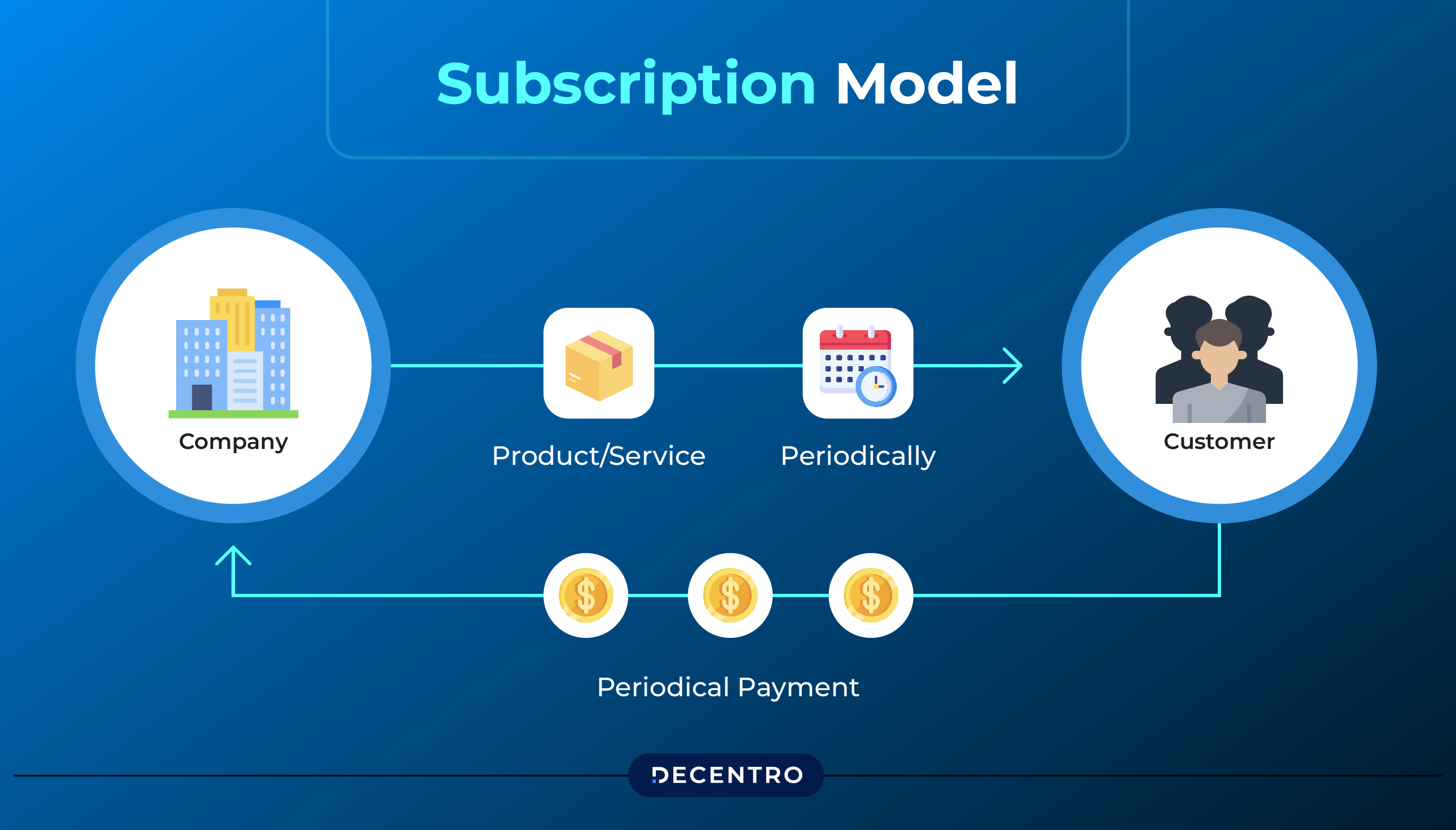
The following breakdown illustrates the cost-benefit analysis for a typical user:
- Subscription Model: Recurring cost, usually includes frequent software updates, integration with ecosystem-specific tools, and high-tier customer support.
- Lifetime Model: Single $160 payment, lower total cost of ownership over 24+ months, but may lack the advanced AI-driven features or deep OS integration found in larger ecosystems.
While the financial savings are clear, the “lifetime” label in the tech industry typically refers to the lifetime of the product or the company, rather than the user’s life. If a provider ceases operations or is acquired, the status of the “lifetime” data storage agreement may become subject to the terms of the acquisition or bankruptcy proceedings. Users should always maintain a secondary local backup—a strategy known as the 3-2-1 backup rule—to ensure data remains accessible regardless of the cloud provider’s status.
What Happens Next for Cloud Storage Users
As the cloud storage landscape evolves, regulatory bodies are increasingly scrutinizing how companies manage user data and the clarity of their service agreements. The European Union’s General Data Protection Regulation (GDPR) continues to set the global benchmark for how companies must inform users about their data rights and the portability of their information. Before purchasing any lifetime storage, users are advised to review the platform’s “data portability” policy, which dictates how easily one can move their files to a different provider should they decide to leave the service.

Potential buyers should monitor for upcoming updates in storage technology, such as advancements in compression algorithms and decentralized storage protocols, which may further drive down the cost of data hosting. For those currently managing large volumes of data, the next logical step is to audit current storage usage to confirm that 1 TB is sufficient for future needs, as cloud data requirements often grow over time. Comments and feedback from the community regarding the reliability of specific lifetime storage providers can be shared below to help others make informed decisions.