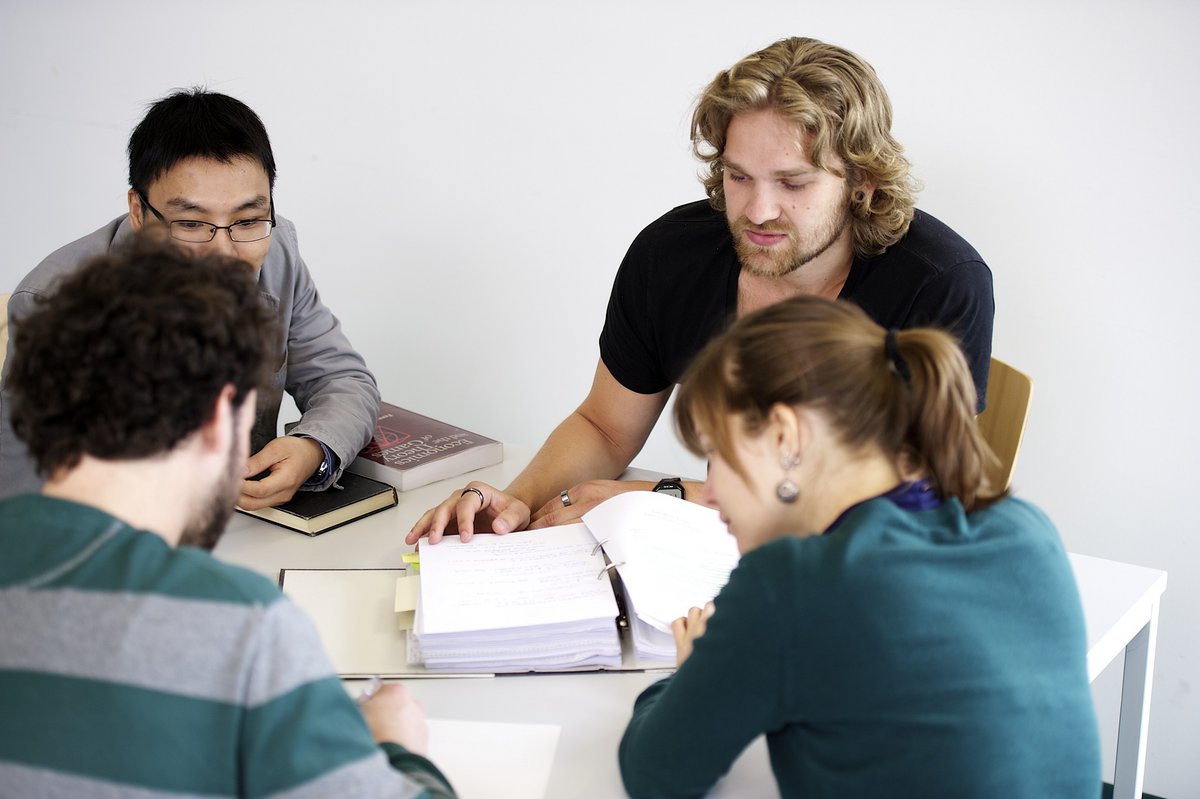
Konstanz, Germany – Doctoral students at the University of Konstanz have a unique opportunity to boost their productivity and combat the isolation often associated with research with the upcoming “Get S*** Done Day” on Thursday, March 19, 2026. Organized by the Collaborative Working Times Team of the Doctoral Students’ Conventions, this intensive writing retreat offers a structured environment designed to help PhD candidates tackle their to-do lists and connect with peers. The event, held at the picturesque Bischofsvilla am Seerhein, provides a focused alternative to the often-challenging task of self-directed work.
The “Get S*** Done Days” are gaining popularity as a valuable resource for doctoral students navigating the demands of advanced research. These sessions aren’t just about ticking off tasks; they’re about fostering a supportive community and implementing effective work strategies. The University of Konstanz, consistently ranked among Germany’s leading research institutions, recognizes the importance of supporting its doctoral candidates, and initiatives like this demonstrate a commitment to their well-being and academic success. The university’s dedication to fostering a collaborative research environment is a key factor in attracting and retaining top talent.
The event is open to doctoral students from all faculties at the University of Konstanz and is offered free of charge. Interested participants are required to register via a dedicated form, available at this link, on a first-reach, first-served basis. Due to limited space, applicants will receive a confirmation email, and attendance is only guaranteed with this confirmation. Organizers kindly request that those who can no longer attend cancel their registration to allow students on the waiting list to participate.
A Structured Approach to Dissertation Progress
The “Get S*** Done Day” isn’t simply a quiet study hall. The day is carefully structured to maximize focus and productivity. The sessions, which run from 8:30 AM to 5:00 PM, will be led by moderators and will incorporate the Pomodoro Technique – a time management method that utilizes focused work intervals interspersed with short breaks. This technique, known for its effectiveness in combating procrastination and maintaining concentration, breaks down work into manageable chunks, making large tasks less daunting. Participants will begin with a brief round of introductions, sharing their projects and goals for the day. Following this, the day will consist of multiple writing sessions, typically ranging from 25 to 50 minutes, each separated by 5-10 minute pauses. Microphones will be muted during writing sessions to minimize distractions, but cameras are encouraged to foster a sense of community. The day will conclude with a wrap-up session where participants can share their accomplishments and reflect on their experience.
Beyond the structured work periods, the “Get S*** Done Days” offer a valuable opportunity for peer exchange. Doctoral research can often be a solitary pursuit, and these events provide a space for students to connect with colleagues from different disciplines, share challenges, and offer support. This collaborative aspect is particularly beneficial for students who may be struggling with motivation or facing roadblocks in their research. The University of Konstanz’s emphasis on interdisciplinary collaboration is further reinforced by events like these, encouraging students to broaden their perspectives and learn from one another.
The Bischofsvilla Setting: Inspiration by the Lake
The choice of the Bischofsvilla am Seerhein as the venue is deliberate. Located on the shores of Lake Constance (Bodensee), the villa offers a tranquil and inspiring setting conducive to focused work. The building itself, with its historical significance and scenic views, provides a welcome change of pace from the typical university environment. The opportunity to work in such a beautiful location can be a significant motivator, helping students to overcome writer’s block and maintain a positive mindset. The serene atmosphere of the lake and surrounding landscape offers a respite from the pressures of academic life, promoting well-being and creativity.
Expanding Collaborative Support for Doctoral Students
The “Get S*** Done Days” are part of a broader initiative by the Collaborative Working Times Team to support doctoral students at the University of Konstanz. The team also organizes regular online writing sessions via Zoom, providing a flexible option for students who are unable to attend the in-person events. These online sessions follow a similar format to the “Get S*** Done Days,” with structured work intervals and opportunities for peer interaction. The team’s WhatsApp group serves as a central hub for communication, allowing participants to coordinate schedules and share resources. Further information about the Collaborative Working Times initiative can be found on the University of Konstanz website: Kollaborative Arbeitszeiten für Promovierende.
The University of Konstanz has also hosted similar events in the past. A “Get S*** Done Day” was previously held on Friday, February 27, 2026, also at the Bischofsvilla, and another took place on Thursday, September 11, 2025. These recurring events demonstrate a sustained commitment to providing doctoral students with the resources they need to thrive. The consistent positive feedback from participants has solidified the “Get S*** Done Days” as a valuable component of the university’s doctoral support system.
For those with questions or requiring further information, the Collaborative Working Times Team can be contacted via email at [email protected]. The university’s commitment to supporting its doctoral students extends beyond these events, with a range of resources available to help them succeed in their research endeavors.
The next confirmed event is the “Get S*** Done Day” on March 19, 2026. Doctoral students at the University of Konstanz are encouraged to register promptly to secure their place. We invite readers to share this information with colleagues and to engage in the comments section below with their thoughts on the importance of collaborative work environments for doctoral research.