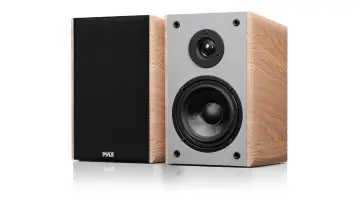
Pyle’s line of bookshelf speakers has become a frequent target for retail discounts, offering an entry-level audio solution for consumers prioritizing a classic aesthetic at a lower price point. While these units are often marketed as high-fidelity replacements for standard television or computer speakers, potential buyers should balance their expectations regarding acoustic performance and build quality against the current promotional pricing.
When evaluating budget-friendly audio equipment, the primary trade-off usually involves the materials used for the speaker cabinets and the internal components like crossovers and drivers. Pyle, a brand long associated with the affordable consumer electronics market, typically utilizes wood-grain vinyl finishes that provide a traditional “premium” look. According to the company’s product specifications, these bookshelf models are generally passive, meaning they require an external amplifier or receiver to function, a distinction that separates them from active, plug-and-play desktop speakers.
Understanding Passive Speaker Requirements
For those considering a purchase, it is essential to understand the technical requirements of passive bookshelf speakers. Unlike powered monitors, which contain built-in amplification, Pyle’s passive bookshelf units rely on an external power source. As detailed in industry guidelines from Crutchfield, a reputable authority on audio equipment, users must ensure they have a compatible amplifier or integrated receiver to drive the speakers effectively. Attempting to connect these speakers directly to a source without amplification will result in little to no sound output.
The aesthetic appeal of these speakers often stems from their MDF (medium-density fiberboard) construction, which is a standard material used to reduce resonance in speaker enclosures. While these cabinets mimic the appearance of higher-end studio monitors, the internal components are designed for mass-market affordability rather than critical listening. Consumers looking for a home theater upgrade or a secondary room setup may find these speakers suitable for casual background music, though they may lack the frequency response range found in more expensive, specialized audio gear.
Market Positioning and Value
The current sales on Pyle bookshelf speakers reflect a strategy common among budget audio brands, where retail prices are frequently adjusted to clear inventory or compete with other entry-level manufacturers. Price-conscious shoppers should monitor major e-commerce platforms, as these speakers are frequently bundled or discounted during seasonal sales events. To determine if a current sale represents a genuine value, consumers can use price-tracking tools like CamelCamelCamel to review historical pricing data for specific model numbers, ensuring the “discount” is calculated against a stable retail baseline rather than an inflated MSRP.
When shopping for these units, it is helpful to cross-reference the specific model number with user-submitted performance data. While aesthetic satisfaction is subjective, technical metrics such as frequency response (measured in Hz), sensitivity (measured in dB), and power handling (measured in Watts) are the objective benchmarks for audio quality. As noted by the Audio Engineering Society, these technical specifications provide a more accurate representation of how a speaker will perform in a specific room environment than visual design alone.
Installation Tips for Optimal Performance
Achieving the best sound from budget bookshelf speakers often depends more on placement than the speakers themselves. For the best results, speakers should be placed at ear level and kept away from corners to minimize bass buildup, which can sound muddy in smaller, untreated rooms. Utilizing sturdy speaker stands rather than placing the units directly on a desk or bookshelf can also help decouple the speakers from the surface, reducing unwanted vibrations.
If you are setting up a home audio system for the first time, keep in mind that the quality of your speaker wire also plays a role in signal integrity. While expensive cables are often unnecessary for entry-level setups, using a decent gauge of oxygen-free copper wire is widely recommended by audio installers to ensure a reliable connection between your amplifier and the speakers.
As retail promotions shift, check the official Pyle website for the most current product manuals and compatibility charts to confirm that your existing receiver matches the impedance requirements of the speakers. Comments and questions regarding specific model compatibility are welcome below; please share your experience with your current home audio setup.