
Ghost in the Machine: AI’s Eugenics Legacy and the Unsettling Truth About Its Origins
*Ghost in the Machine*, the latest documentary from director Valerie Veatch, isn’t just another tech critique—it’s a hard-hitting polemic that forces viewers to confront the uncomfortable truth: artificial intelligence wasn’t born in a vacuum. Its foundations are steeped in the pseudoscience of eugenics, racial hierarchies, and the unchecked ambitions of Silicon Valley’s most powerful figures. Through archival footage, expert interviews, and damning historical parallels, Veatch’s film lays bare how AI’s rapid ascent mirrors the dangerous ideologies of the past, raising urgent questions about who controls these systems—and who they’re designed to serve.
Veatch, known for her provocative documentaries like *Love Child* and *Me at the Zoo*, brings her signature blend of investigative rigor and unflinching storytelling to *Ghost in the Machine*. The film isn’t just a history lesson; it’s a warning. By tracing AI’s evolution from 19th-century eugenics to today’s billion-dollar industry, Veatch argues that the technology’s most celebrated advancements are built on a legacy of exclusion, bias, and ethical neglect. The result is a film that’s equal parts primer and indictment—a necessary corrective to the hype surrounding AI’s potential.
What makes *Ghost in the Machine* so compelling isn’t just its historical depth, but its refusal to shy away from controversial figures. From Victorian eugenicist Francis Galton to Silicon Valley’s William Shockley—whose work directly influenced early AI research—the film connects the dots between past ideologies and present-day algorithms. And while the documentary doesn’t cover recent high-profile legal battles (like Elon Musk’s disputes with Sam Altman), its core argument remains as relevant as ever: AI’s future hinges on confronting its past.
From Galton to Silicon Valley: How Eugenics Shaped AI’s Foundations
At the heart of *Ghost in the Machine* is a startling revelation: the father of eugenics, Francis Galton, wasn’t just a scientist—he was an early architect of statistical methods later adopted by AI researchers. Galton’s obsession with measuring human intelligence and heredity laid the groundwork for what would become modern machine learning. The film draws a direct line from his 19th-century theories to today’s facial recognition systems, hiring algorithms, and predictive policing tools—all of which inherit the same biases and assumptions about human worth.
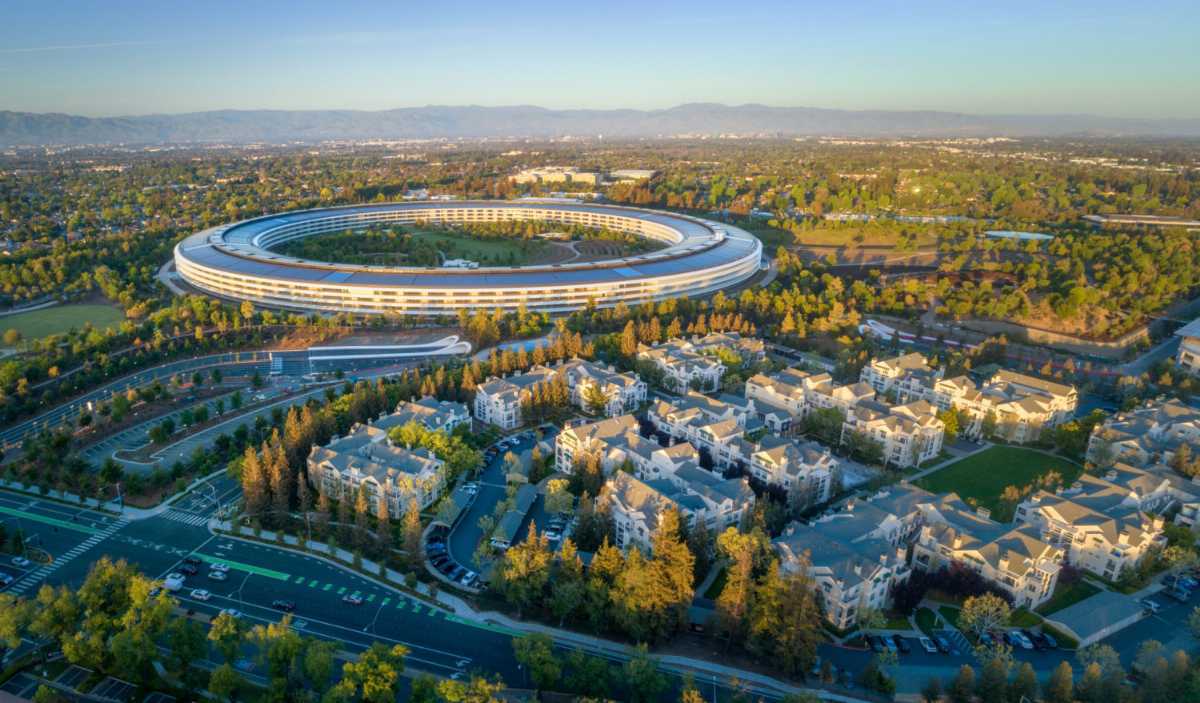
Veatch’s documentary doesn’t just stop at Galton. It also examines the role of William Shockley, a co-founder of Silicon Valley whose racist views on intelligence were openly documented. Shockley’s research on “dysgenics” (the idea that intelligence was hereditary and declining among certain populations) influenced early AI models, embedding racial biases into the extremely frameworks that now power global industries. The film’s interviews with historians and technologists make it clear: these weren’t isolated incidents. They were systemic.
“AI isn’t neutral. It’s a reflection of the people who build it—and the ideologies they carry with them.” —Historian Dr. Ruha Benjamin, as featured in *Ghost in the Machine*
The film’s most chilling section may be its exploration of how these historical prejudices manifest in today’s AI systems. From biased hiring algorithms that disadvantage women and minorities to predictive policing tools that disproportionately target Black and brown communities, *Ghost in the Machine* presents a damning case: AI isn’t just a tool—it’s a continuation of old power structures in new forms.
Billion-Dollar Hype: Why AI’s Stock Market Boom Is a Red Flag
One of the film’s most striking arguments is that AI’s rapid commercialization—driven by a stock market bubble inflating the valuations of companies like Nvidia, Microsoft, and Google—has outpaced ethical oversight. Veatch and her interviewees question whether the rush to monetize AI has left critical safeguards behind. The documentary highlights how venture capital funding and corporate competition have prioritized speed over accountability, leaving little room for public debate or regulatory scrutiny.

The film doesn’t sugarcoat the stakes. With AI now embedded in everything from healthcare diagnostics to criminal justice, the lack of transparency in its development is alarming. *Ghost in the Machine* features experts warning that without urgent intervention, AI could deepen existing inequalities rather than address them. The message is clear: the technology’s benefits are being celebrated, but its risks—particularly to marginalized communities—are being ignored.
Beyond the Code: Real-World Consequences of AI’s Dark History
To understand the impact of AI’s eugenics legacy, *Ghost in the Machine* turns to real people whose lives have been upended by biased algorithms. The film profiles cases where facial recognition misidentified innocent individuals, where hiring tools excluded qualified candidates based on gender or race, and where predictive policing reinforced systemic racism. These aren’t hypothetical scenarios—they’re documented failures with tangible human costs.
The documentary also shines a light on the lack of diversity in AI development teams. Studies cited in the film—including research from the Pew Research Center—show that fewer than 20% of AI researchers in top tech companies are women, and even fewer are people of color. This homogeneity, the film argues, ensures that the biases of a narrow demographic are baked into the systems that shape our future.
“If you don’t have diversity in the room where AI is designed, you don’t have diversity in the outcomes it produces.” —Dr. Timnit Gebru, former Google AI researcher
Can AI Be Fixed? Experts Weigh In on Regulation and Accountability
*Ghost in the Machine* isn’t just a critique—it’s a call to action. The film’s final act shifts from historical analysis to practical solutions, featuring policymakers, ethicists, and activists discussing how to hold AI developers accountable. Key proposals include:
- Mandatory bias audits for all high-stakes AI systems, with independent oversight.
- Transparency laws requiring companies to disclose how their algorithms make decisions.
- Diversity quotas in AI research teams to ensure a broader range of perspectives.
- Public funding alternatives to reduce corporate influence over AI development.
The documentary also highlights recent legislative efforts, such as the Algorithmic Accountability Act in the U.S., which aims to regulate AI’s impact on civil rights. While progress is slow, *Ghost in the Machine* suggests that public pressure—driven by films like this one—could be the catalyst for change.
Key Takeaways from *Ghost in the Machine*
- AI’s origins are tied to eugenics: From Galton’s statistical methods to Shockley’s racist theories, the field was shaped by harmful ideologies.
- Bias is baked in: Algorithms reflect the biases of their creators, often reinforcing systemic inequalities.
- Corporate greed is accelerating risks: The AI stock market bubble prioritizes profit over ethics, leaving safeguards behind.
- Real people are paying the price: Misidentifications, wrongful arrests, and employment discrimination are direct consequences of unchecked AI.
- Regulation is possible—but urgent: Laws like the Algorithmic Accountability Act could force transparency and accountability.
As *Ghost in the Machine* makes clear, the story of AI isn’t just about code—it’s about power, ethics, and who gets to decide the future. The film’s release coincides with growing global debates over AI regulation, from the EU’s AI Act to ongoing discussions in the U.S. Congress. The next critical checkpoint will be the finalization of these policies, with hearings scheduled in the coming months to address bias, transparency, and corporate accountability.

Whether you’re a technologist, policymaker, or concerned citizen, *Ghost in the Machine* is a wake-up call. The film challenges us to ask: Who benefits from AI as it stands today? And who is left behind? The answers may surprise you—and they should change how we think about technology’s role in society.
What do you think? Should AI development be subject to stricter ethical guidelines? Share your thoughts in the comments below—or tag us on social media with #GhostInTheMachine. The conversation is just beginning.