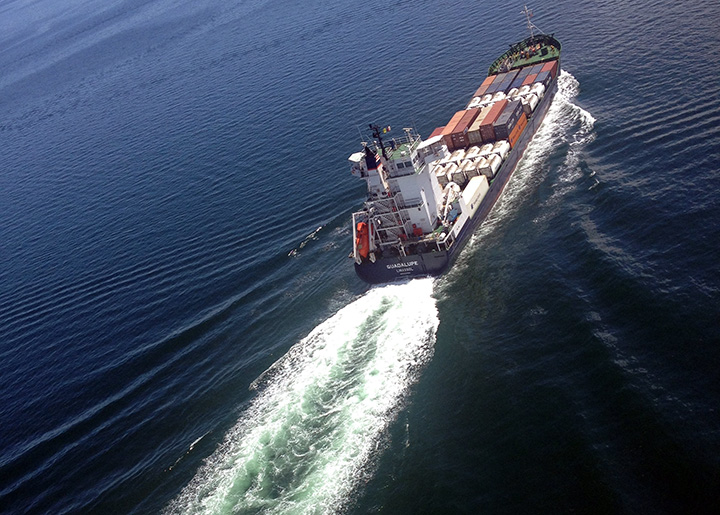
Large cargo vessels moving through Vietnam’s Lòng Tàu River are generating significant, rideable wakes that have drawn attention for their potential as novelty surfing waves. The 639-foot cargo ship Ever Oath, sailing under the Panama flag, has been documented creating clean, barreling waves as it traverses the narrow shipping channel, which serves as a primary maritime artery for Ho Chi Minh City. While river surfing exists globally, the use of commercial shipping lanes for this purpose presents substantial safety risks due to heavy vessel traffic and unpredictable currents.
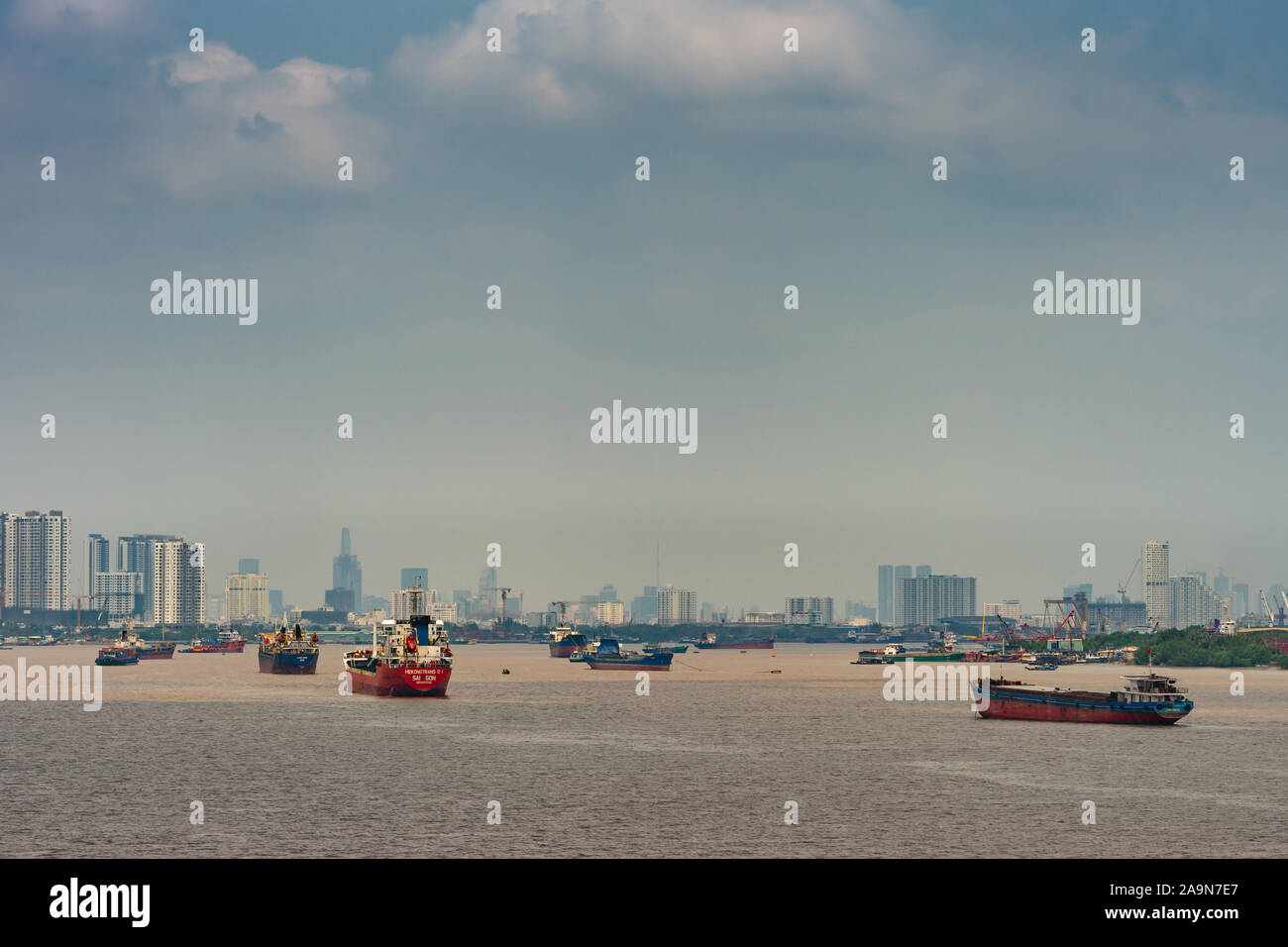
The Lòng Tàu River remains a critical component of Vietnam’s maritime infrastructure, connecting the busy ports of Ho Chi Minh City to the South China Sea. According to data from the Vietnam Maritime Administration, the channel requires constant maintenance and strict adherence to navigation protocols to accommodate the high volume of container ships and bulk carriers that transit the waterway daily. The displacement caused by these vessels creates a “wake effect” that can reach the riverbanks with considerable force, a phenomenon often observed in narrow, deep-water channels where the water is displaced rapidly by the ship’s hull.
While the visual appeal of a barreling wave in an industrial setting is clear to surfing enthusiasts, maritime authorities emphasize the dangers of interacting with commercial traffic. The Vietnam Maritime Administration maintains strict regulations regarding vessel speed and proximity to other watercraft or unauthorized individuals in shipping lanes. Surfing in such areas is not only logistically difficult but poses a risk of collision with vessels that have limited maneuverability in the river’s confined sections.
The Mechanics of Man-Made River Waves
The waves observed on the Lòng Tàu River are a byproduct of hull displacement. When a vessel like the Ever Oath moves through the water, it pushes a volume of water equal to its own weight out of the way. In a constrained environment like a river, this displaced water must move around the hull, creating a series of waves that radiate outward. As these waves reach the shallowing contours of the riverbank, they undergo a process called “shoaling,” where the wave slows down and increases in height, occasionally forming a clean, breaking face.
This phenomenon is not unique to Vietnam. Similar waves have been documented globally, often referred to by the surfing community as “novelty waves.” Unlike ocean waves, which are generated by wind energy over long distances, these wakes are transient and highly dependent on the speed, draft, and hull design of the ship. According to the International Maritime Organization (IMO), ship-generated waves can cause significant erosion to riverbanks and damage to smaller moored vessels, leading many port authorities to enforce “no-wake” zones or speed restrictions in sensitive areas to mitigate these impacts.
Navigating the Risks of Industrial Surfing
Surfing in a shipping channel involves hazards that differ significantly from ocean environments. The Lòng Tàu River is characterized by strong tidal currents that fluctuate throughout the day, as documented in regional hydrographic surveys. These currents can pull a swimmer or surfer into the path of oncoming traffic, where the massive size of cargo ships creates a dangerous “suction effect” near the hull.
Furthermore, the water quality in busy commercial channels often contains industrial runoff and debris, posing health risks. Maritime law in Vietnam generally prohibits unauthorized waterborne activities in primary shipping lanes to ensure the safety of both commercial crews and recreational users. Any attempt to “strike” or surf these waves would likely be met with intervention from local port authorities, who are tasked with maintaining the unimpeded flow of international trade.
Future Outlook and Safety Protocols
Despite the viral nature of videos featuring these waves, there have been no verified reports of successful surfing sessions on the Lòng Tàu River by professional novelty wave riders. The logistical hurdle of timing a session with the passage of a specific vessel, combined with the intervention of maritime police, makes such a feat highly improbable. Experts in maritime safety suggest that enthusiasts should prioritize established surfing locations where water conditions are monitored and safety protocols are in place.
For those interested in the maritime activity of the region, the Vietnam Maritime Administration provides regular updates on shipping schedules and navigation safety notices via their official portal at vinamarine.gov.vn. These resources offer the most reliable data regarding the movement of vessels like the Ever Oath and any temporary restrictions placed on the Lòng Tàu channel. Readers are encouraged to share their thoughts on the balance between industrial use and recreational water access in the comments section below.
Related reading