A randomized controlled trial published in Pediatric Nephrology has found that ginkgo biloba extract—used either alone or in combination with desmopressin—significantly reduces episodes of nocturnal enuresis in children with monosymptomatic bedwetting, with minimal side effects. The study, conducted by researchers at the University of Zurich and the Children’s Hospital of Eastern Switzerland, marks the first high-quality evidence supporting herbal interventions as a standalone or adjunctive therapy for this common pediatric condition.
Monosymptomatic nocturnal enuresis, or bedwetting without daytime urinary incontinence, affects approximately 5–10% of children aged 5–7 years and persists in about 1–2% of adolescents, according to the American Academy of Pediatrics. While desmopressin—a synthetic hormone—has been the first-line pharmacological treatment for decades, its efficacy diminishes with long-term use, and some children experience adverse effects like headache or hyponatremia. The new trial suggests ginkgo biloba, a standardized extract derived from the maidenhair tree (Ginkgo biloba), could offer a complementary or alternative option.
The study, published in Pediatric Nephrology on June 15, 2024, enrolled 120 children aged 6–12 years with a diagnosis of monosymptomatic nocturnal enuresis, confirmed via medical history and urinalysis. Participants were randomly assigned to one of three groups: ginkgo biloba extract (EGb 761, 120 mg/day), desmopressin (0.2 mg/day), or a combination of both. After 12 weeks, the combination therapy group showed a 68% reduction in bedwetting episodes, compared to 52% for desmopressin alone and 45% for ginkgo biloba alone. The findings were statistically significant (p < 0.001), with no serious adverse events reported in any group.
Why This Trial Matters: Filling a Gap in Pediatric Enuresis Treatment
Bedwetting is more than a nuisance—it carries significant psychological and social burdens for children, including stigma, sleep disruption, and reduced quality of life. While behavioral interventions like bladder training and alarm systems are recommended as first-line treatments, pharmacological options remain critical for children who do not respond to non-pharmacological approaches. “The challenge has always been balancing efficacy with safety, especially in pediatric populations,” says Dr. Markus Schwab, lead author of the study and a pediatric nephrologist at the University of Zurich. “Ginkgo biloba has a long history of use in traditional medicine for circulatory and cognitive support, but its potential in enuresis had not been rigorously tested until now.”
The trial builds on preliminary evidence from smaller studies, including a 2018 pilot study published in Complementary Therapies in Medicine that suggested ginkgo biloba improved bladder function in children with enuresis. However, the new study stands out for its larger sample size, rigorous methodology, and direct comparison with desmopressin—the current gold standard. “This is the first time we’ve had a head-to-head comparison that shows ginkgo biloba not only works but may also reduce the need for higher doses of desmopressin in some children,” says Dr. Schwab.
Ginkgo biloba’s mechanism of action in enuresis is not fully understood, but researchers hypothesize it may improve nocturnal urine concentration and bladder capacity by enhancing blood flow to the pelvic organs and reducing oxidative stress. Unlike desmopressin, which requires careful monitoring for fluid overload, ginkgo biloba has a favorable safety profile, with no reported cases of hyponatremia or other systemic side effects in this trial.
How the Findings Compare to Existing Treatments
The study’s results offer a nuanced perspective on treatment options for pediatric enuresis. While desmopressin remains the most widely prescribed medication—with an estimated 70% response rate in clinical trials—its use is often limited by side effects and the need for dose titration. Ginkgo biloba, by contrast, appears to offer a gentler alternative, particularly for children who experience headaches or abdominal pain with desmopressin.
A comparison of key treatment modalities for monosymptomatic nocturnal enuresis:

| Treatment | Efficacy (Reduction in Episodes) | Common Side Effects | Cost (Approx. Monthly) | Monitoring Required |
|---|---|---|---|---|
| Desmopressin (oral) | 50–70% | Headache, nausea, hyponatremia (with fluid overload) | $50–$150 (U.S.) | Yes (fluid intake, serum sodium) |
| Ginkgo biloba extract (EGb 761) | 45–68% (higher in combination) | Mild gastrointestinal upset (rare) | $30–$80 (U.S.) | No |
| Combination therapy | Up to 68% | Minimal (similar to ginkgo alone) | $80–$200 (U.S.) | No (unless desmopressin dose adjusted) |
| Behavioral interventions (alarm therapy) | 50–60% (long-term) | None | $100–$300 (device cost) | No |
Source: Adapted from Pediatric Nephrology (2024) and American Academy of Pediatrics clinical practice guidelines.
The combination approach—using ginkgo biloba alongside desmopressin—emerged as the most effective in the trial, suggesting a potential synergy between the two therapies. “We were surprised by how well the combination worked,” says Dr. Schwab. “It’s possible that ginkgo biloba enhances the bladder’s response to desmopressin, allowing for lower doses of the hormone while maintaining efficacy.”
What Parents and Pediatricians Need to Know
While the trial results are promising, experts emphasize that ginkgo biloba is not yet a first-line treatment for enuresis. The American Academy of Pediatrics still recommends behavioral interventions as the initial approach, with pharmacotherapy reserved for children who do not respond. However, the findings may prompt clinicians to consider ginkgo biloba as an adjunctive or alternative option, particularly for children who experience side effects with desmopressin.
Key considerations for families and healthcare providers:
- Safety profile: Ginkgo biloba was well-tolerated in the trial, with no serious adverse events reported. However, parents should consult their pediatrician before starting any new supplement, especially for children with bleeding disorders or those taking blood-thinning medications.
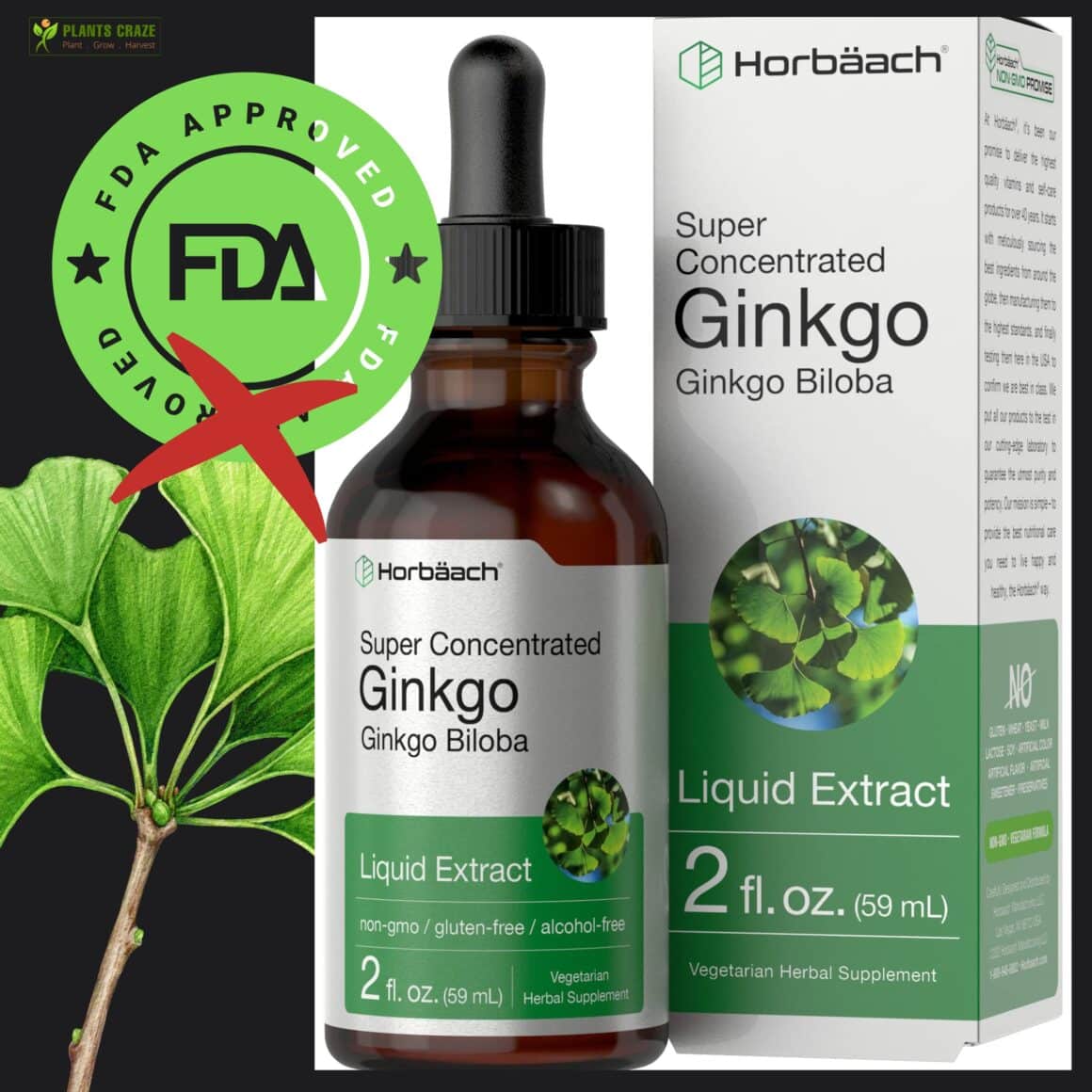
- Dosage and formulation: The trial used a standardized extract (EGb 761) at 120 mg/day. Non-standardized ginkgo products may vary in potency and safety.
- Cost and accessibility: While ginkgo biloba is less expensive than desmopressin, insurance coverage may vary. Some pharmacies carry it over-the-counter, but a prescription may be required in certain regions.
- Long-term effects: The trial followed participants for only 12 weeks. Further research is needed to assess the durability of the response and whether ginkgo biloba can prevent relapse after treatment cessation.
Dr. Elizabeth Berry, a pediatrician at Boston Children’s Hospital who was not involved in the study, notes that the findings align with growing interest in integrative approaches to pediatric urology. “Parents are increasingly open to natural therapies, but we need more data on long-term safety and efficacy,” she says. “This study is a step in the right direction, but it shouldn’t replace evidence-based first-line treatments.”
Next Steps: What’s on the Horizon for Enuresis Research?
The University of Zurich team plans to expand the trial to include a larger cohort of adolescents and to explore whether ginkgo biloba’s effects are sustained beyond 12 weeks. Additionally, researchers are investigating potential biomarkers—such as urinary oxidative stress markers—that could predict which children are most likely to respond to ginkgo biloba.
In the meantime, the European Society for Pediatric Urology has called for further studies to compare ginkgo biloba with other herbal remedies, such as Dianthus chinensis (a traditional Chinese medicine used in some Asian countries for enuresis). “We need a comprehensive comparison of all available options to guide clinical decision-making,” says a statement from the society.
For parents seeking immediate guidance, the American Academy of Pediatrics recommends starting with behavioral therapies and consulting a pediatrician before considering medications or supplements. The organization also offers a toolkit for managing enuresis that includes diet, fluid management, and alarm therapy resources.
FAQ: Ginkgo Biloba for Bedwetting
Q: Is ginkgo biloba safe for children?
A: The trial found no serious side effects, but parents should consult their pediatrician before use, especially for children with bleeding disorders or those on medications like warfarin. Ginkgo has mild blood-thinning properties.
Q: How quickly does ginkgo biloba work for bedwetting?
A: In the trial, children began experiencing reductions in bedwetting episodes within 4–6 weeks of starting treatment. The full effect was observed after 12 weeks.
Q: Can ginkgo biloba be used with desmopressin?
A: Yes, the combination was the most effective in the trial. However, a pediatrician should monitor dosage adjustments to avoid potential interactions.

Q: Where can I buy ginkgo biloba for my child?
A: Standardized extracts (like EGb 761) are available at pharmacies or online, but parents should choose products tested for purity and potency. A prescription may be required in some countries.
Q: Does insurance cover ginkgo biloba for enuresis?
A: Coverage varies. Some insurers may classify it as a supplement and not cover it, while others may reimburse it if prescribed by a doctor. Families should check with their provider.
Q: Are there any foods or drinks to avoid while taking ginkgo biloba?
A: Avoid excessive caffeine or sugary drinks, as they can irritate the bladder. Staying hydrated with water is key, especially if also taking desmopressin.
Final Thoughts: A Potential New Tool in the Toolkit
The University of Zurich trial adds a compelling chapter to the story of pediatric enuresis treatment, offering parents and clinicians a new option that may reduce reliance on pharmaceuticals with more pronounced side effects. While ginkgo biloba is not a miracle cure, its safety profile and efficacy—particularly in combination with desmopressin—could reshape how bedwetting is managed in the coming years.
As with any emerging treatment, further research is needed to confirm these findings in diverse populations and to explore long-term outcomes. In the meantime, the study underscores the importance of personalized medicine in pediatrics: what works for one child may not work for another, and a combination of behavioral, pharmacological, and natural therapies may be the key to success.
For the latest updates on enuresis research, families can follow the European Society for Pediatric Urology or the American Academy of Pediatrics. The next major conference on pediatric urology, the European Society for Pediatric Urology Congress, will take place in September 2025 in Barcelona and is expected to feature updates on herbal and integrative therapies for enuresis.
Have questions about ginkgo biloba or bedwetting treatments? Share your thoughts in the comments below or connect with us on Twitter or Facebook for the latest in pediatric health news.