
Italian Prime Minister Giorgia Meloni has publicly disputed claims made by U.S. President-elect Donald Trump regarding a purported interaction at the G7 summit, labeling his account of her behavior as inaccurate. The disagreement centers on a narrative in which the incoming American leader suggested the Italian head of government had insistently requested a photograph with him during the international gathering, a characterization that representatives for the Italian government have firmly rejected as a fabrication.
The tension between the two leaders, who have previously maintained a cordial political alignment, emerged following comments attributed to the U.S. President-elect regarding his interactions with world leaders. According to reports from the Reuters news agency, the Italian government took the unusual step of dismissing the account to clarify the nature of diplomatic engagements at the high-profile summit. This incident highlights the complexities of personal narratives in international diplomacy, particularly as leaders navigate the transition of power in Washington.
Origins of the Diplomatic Disagreement
The controversy stems from assertions regarding the interpersonal dynamics between the two heads of state during the 2024 G7 summit held in Apulia, Italy. The summit, which took place in June 2024, brought together leaders from the world’s most advanced economies to discuss global security, economic stability, and migration, as detailed in the official G7 2024 records. The specific claim involves a private interaction where the President-elect allegedly described being approached by Prime Minister Meloni for a photo opportunity.
Diplomatic protocols at such summits are strictly managed, with media moments and bilateral meetings scheduled well in advance. Italian officials have indicated that the characterization of the Prime Minister “begging” for a photo does not align with the established decorum of the G7 or the professional conduct of the Italian delegation. By addressing the claim directly, the administration of Prime Minister Meloni sought to maintain the integrity of its diplomatic record, emphasizing that professional boundaries were respected throughout the proceedings.
The Role of Personal Narratives in Global Politics
In the realm of international relations, the distinction between public perception and private diplomatic reality is frequently contested. Political analysts note that for leaders like Meloni, who leads the right-wing Brothers of Italy party, maintaining a posture of strength and independence is essential for domestic political stability. When a foreign leader—even an ideological ally—presents a narrative that suggests a submissive or overly eager stance, the impact on domestic public opinion can be significant.
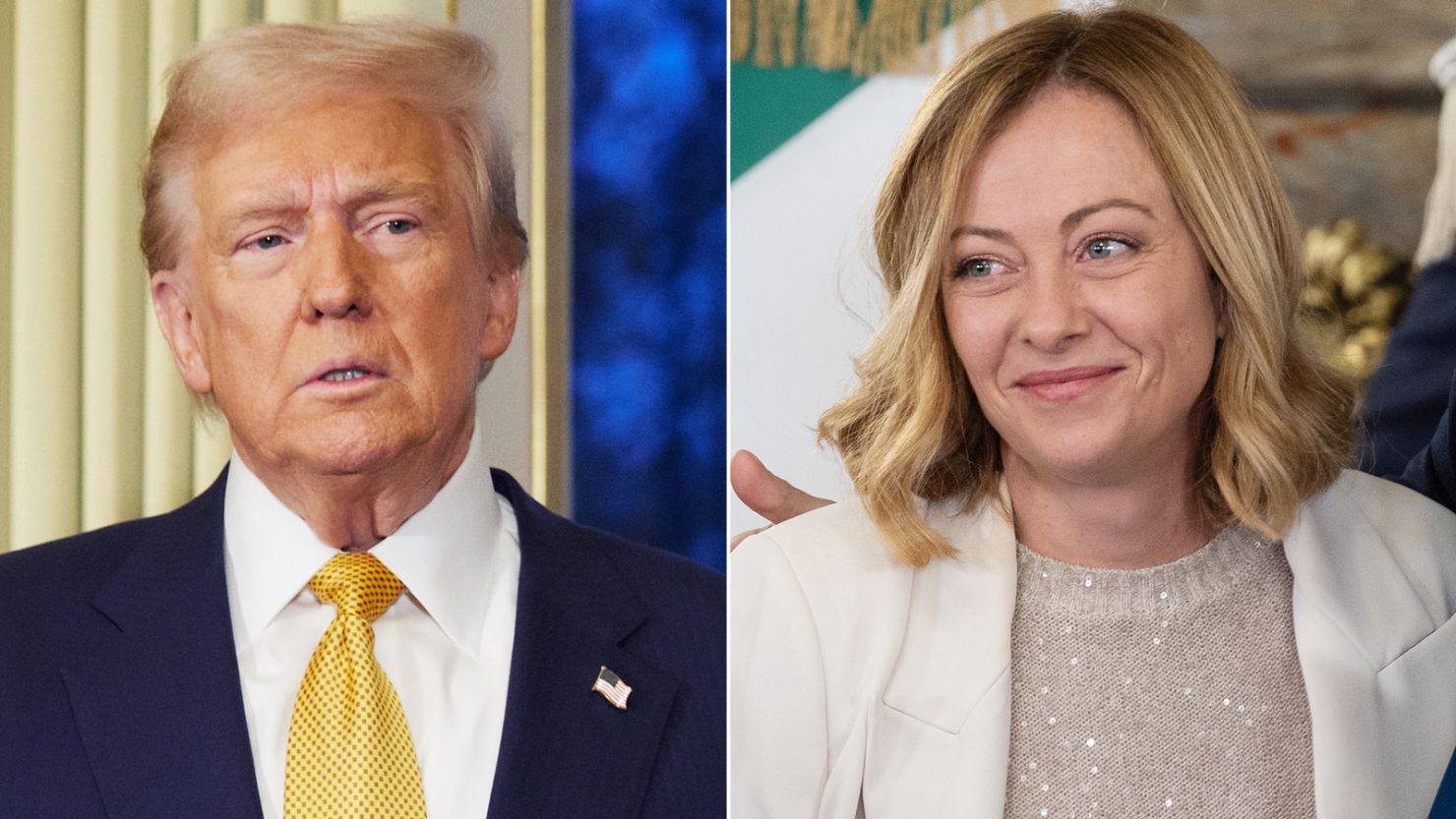
The Associated Press has previously documented the efforts of the Meloni administration to cultivate a pragmatic, non-partisan foreign policy that balances traditional European alliances with an openness to the incoming administration in the United States. This balancing act requires careful management of public messaging. By challenging the narrative, the Prime Minister is signaling that her government will not accept characterizations that might undermine her standing as an equal partner on the world stage.
Impact on Future U.S.-Italy Relations
Despite this friction, observers of transatlantic relations suggest that the incident is unlikely to cause a lasting rupture. Italy remains a core member of the NATO alliance and a vital partner for the United States in the Mediterranean. As outlined in the U.S. Department of State’s country profile for Italy, the bilateral relationship is anchored in decades of security, economic, and cultural cooperation that transcends individual disagreements over personal interactions.
The focus for both governments remains on the upcoming policy agenda, including trade negotiations and security cooperation in Eastern Europe. While the episode serves as a reminder of the personal volatility that can characterize modern political communication, the structural necessity of the U.S.-Italy alliance remains intact. Both sides are expected to prioritize long-term strategic objectives as the transition in Washington continues, moving past individual anecdotes in favor of substantive policy discussions.
Looking Ahead: Diplomatic Checkpoints
The next major opportunity for direct engagement between the two leaders will likely occur following the formal inauguration of the U.S. President-elect, scheduled for January 20, 2025, as mandated by the 20th Amendment to the U.S. Constitution. Observers will monitor future bilateral summits and state visits to see if the two leaders address the narrative or opt to move forward with a focus on shared policy goals.

As this story develops, further clarifications from the Italian Prime Minister’s office or the transition team in the United States may provide additional context. Readers are encouraged to follow official government briefings for the most accurate information regarding international summits and bilateral state meetings. We welcome your thoughts on how personal narratives affect modern diplomacy—please share your insights in the comments section below.
Keep reading