
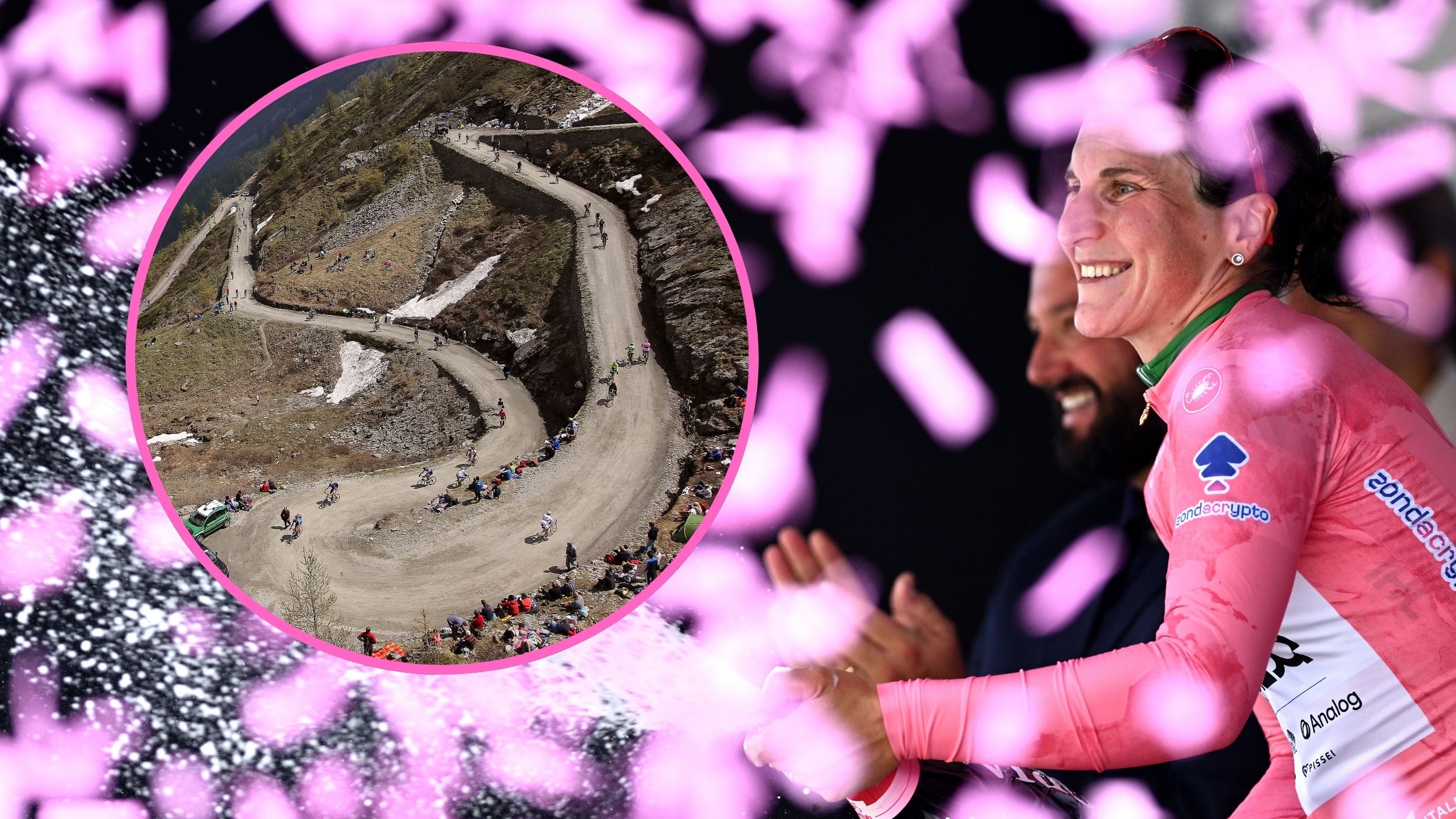
As the cycling world turns its gaze toward the most challenging segments of the professional calendar, the spotlight has intensified on the grueling terrain that defines the modern Giro d’Italia. While the men’s peloton has already navigated the high-stakes climbs of the Italian peninsula, anticipation is building for the women’s field as they prepare to face a signature gravel mountain that has become a defining feature of the race. The inclusion of this demanding ascent, known for its ability to fracture the pack and test the limits of even the most seasoned climbers, adds a layer of strategic complexity to the pursuit of the coveted Maglia Rosa.
The tactical landscape for this year’s competition centers on the performance of top-tier contenders, including Demi Vollering and Elisa Longo Borghini, who are currently locked in a high-profile battle for the general classification. As the race organizers continue to refine the route, the integration of unpaved, steep inclines serves not only as a physical test but as a psychological threshold for the riders. With the race approaching its final stages, observers are closely monitoring how these athletes adapt to the technical demands of gravel surfaces at altitude, a factor that has proven decisive in recent editions of the Giro d’Italia according to official race updates provided by the Giro d’Italia official portal.
The Strategic Challenge of Gravel Ascents
The introduction of gravel sectors on mountain stages represents a significant shift in professional cycling, forcing teams to reconsider equipment choices, tire pressure and pacing strategies. Unlike traditional paved climbs, where rhythm is paramount, gravel ascents—such as those featured in the current 2026 race route—require constant adjustments to maintain traction and avoid mechanical failures. For leaders like Vollering and Longo Borghini, the ability to manage fatigue while navigating unpredictable surface conditions is essential to maintaining their position in the standings.
Data from recent mountain stages indicates that these efforts often result in significant time gaps between the leaders and the rest of the field. This “havoc” on the classification is exactly what race directors intend, as it discourages defensive riding and rewards those with the technical skill to handle loose surfaces. As the riders approach the final mountain stages, the focus will remain on the interplay between climbing power and bike handling, especially under the pressure of a multi-day stage race.
Contenders in Pursuit of Pink
The chase for the Maglia Rosa is characterized by the distinct styles of its primary protagonists. Demi Vollering, known for her explosive climbing ability, and Elisa Longo Borghini, celebrated for her tactical acumen and resilience in challenging weather and road conditions, represent the pinnacle of current women’s professional cycling. Their rivalry has become a focal point of the 2026 season, with both riders consistently performing at the front of the peloton throughout the spring.

According to updates from the official Giro d’Italia schedule, the race concludes on Sunday, May 31, 2026, in Rome. Between now and the final circuit, the riders must navigate a series of undulating stages that will test their recovery capabilities. The strategic importance of the upcoming mountain stages cannot be overstated, as they provide the final opportunity for climbers to gain the necessary time buffers before the sprint-heavy finale in the capital.
Preparation and Equipment
In modern cycling, the margin between victory and defeat is often measured in seconds, making the preparation for specific stages vital. Athletes are increasingly turning to advanced materials and aerodynamic testing to ensure their equipment can withstand the rigors of the Giro. As noted by industry leaders at Giro Sport Design, the evolution of cycling gear—from helmets that offer improved airflow to specialized footwear—plays a role in how riders cope with the physical intensity of long-distance racing.
For the women’s peloton, the upcoming mountain tests will require a precise balance of weight reduction, and durability. Teams will likely prioritize lightweight climbing setups, even on gravel sections, to ensure that riders can maintain a high power-to-weight ratio during the steepest gradients. The success of the eventual winner will depend on this synthesis of physical training, tactical awareness, and equipment optimization.
Looking Ahead: The Final Push
The Giro d’Italia remains one of the most prestigious events in the sport, and the 2026 edition continues to honor that tradition by forcing riders to confront both history and terrain. With the final stages fast approaching, the focus shifts to the technical staff and the riders’ ability to execute their race plans under extreme fatigue. Fans and analysts alike are awaiting the final mountain showdown, which will likely confirm the podium spots for the general classification.
The next confirmed checkpoint for the riders is the conclusion of the current stage, followed by the final mountain stages leading toward the race’s conclusion in Rome on May 31. We encourage our readers to share their predictions for the final podium and join the conversation in the comments section below as we follow this historic race to its conclusion.