A collaborative research team in South Korea has engineered a novel therapeutic strategy targeting gut microbiome metabolites to treat intractable heart failure.
The Biochemical Crossroads of Intestinal Flora and Failing Hearts
Heart failure remains a leading cause of cardiovascular mortality worldwide, characterized by the heart's inability to pump sufficient blood to meet the body's demands. Traditional treatments manage symptoms and slow disease progression, but therapeutic options for advanced or intractable cases stay severely limited.
Mapping Microbial Compounds Through Genomic Screening
According to announcements released by GIST, the joint investigation centers on how gut-derived metabolites modulate inflammatory responses and cellular fibrosis in failing hearts. Investigators utilized advanced genomic and metabolomic screening to pinpoint microbial compounds that either exacerbate or mitigate cardiac remodeling. This approach shifts traditional cardiovascular research paradigms by integrating gastroenterology and cardiology, pointing to microbial modulation as a viable adjuvant therapy.
Unraveling the Complex Signaling of the Gut-Heart Axis
The gut-heart axis describes the complex biochemical signaling network connecting intestinal microbial populations to cardiovascular health. Disturbance in this ecosystem often correlates with systemic inflammation and worsening cardiac performance. The GIST-led team investigated specific metabolites produced during microbial fermentation that enter the bloodstream and directly influence endothelial function and cardiomyocyte survival.
Experimental Models Demonstrate Reduced Ventricular Fibrosis
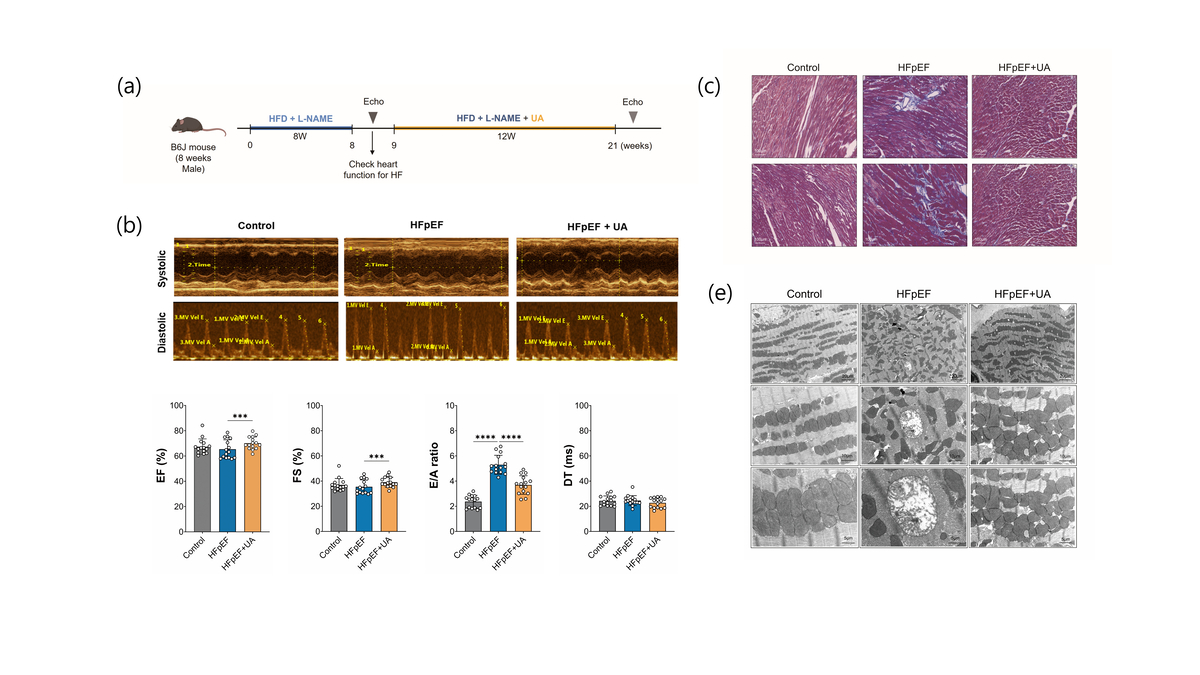
Through experimental models, the researchers demonstrated that targeted intervention in these metabolic pathways could significantly reduce ventricular fibrosis. Therapeutic manipulation of the gut microbiome via tailored prebiotics, probiotics, or metabolite-mimetic compounds showed measurable improvements in ejection fraction and overall myocardial resilience. These findings provide a concrete framework for developing next-generation interventions that go beyond standard pharmacological management with beta-blockers and ACE inhibitors.
Navigating Preclinical Safety and Human Trial Hurdles
Translating these laboratory discoveries into clinical practice requires rigorous validation through human trials. Medical researchers note that while animal models provide essential mechanistic insights, human microbiome variability presents distinct hurdles for standardized treatment protocols. The research team aims to advance preclinical safety assessments to establish precise dosing windows and identify specific patient subsets most likely to benefit from microbiome-targeted cardiac therapies.
As research progresses, ongoing clinical studies will determine whether gut-derived metabolite modulation can successfully alter the trajectory of intractable heart failure in human populations.
Worth a look