
In a significant security incident that has drawn intense scrutiny toward the software development ecosystem, GitHub recently confirmed that attackers gained unauthorized access to a substantial number of its internal repositories. The breach, which unfolded through the compromise of an employee’s device, highlights the growing risks associated with software supply chain attacks—a method where malicious actors exploit trusted tools to infiltrate secure environments.
The incident centers on a poisoned Visual Studio Code (VS Code) extension, which served as the entry point for the unauthorized access. According to GitHub’s preliminary assessment, the attackers successfully exfiltrated approximately 3,800 internal repositories. The company has stressed that its ongoing investigation suggests the affected data is limited to its internal source code and organizational information, with no evidence currently indicating that customer repositories, enterprise environments, or external organizational accounts were impacted.
This event underscores the vulnerability inherent in modern development workflows. As reliance on third-party integrations and marketplace extensions grows, so too does the opportunity for terrible actors to weaponize these trusted components. For developers and security professionals, this breach serves as a stark reminder of the importance of vetting the software supply chain and maintaining rigorous credential management.
The Mechanics of the Breach
The breach was facilitated by a compromised developer tool. The use of a poisoned extension—a malicious version of a legitimate, widely used plug-in—allowed attackers to bypass standard security layers. This specific type of attack, known as a software supply chain infiltration, demonstrates how even the most sophisticated organizations can be exposed when an employee’s environment is compromised through a trusted utility.
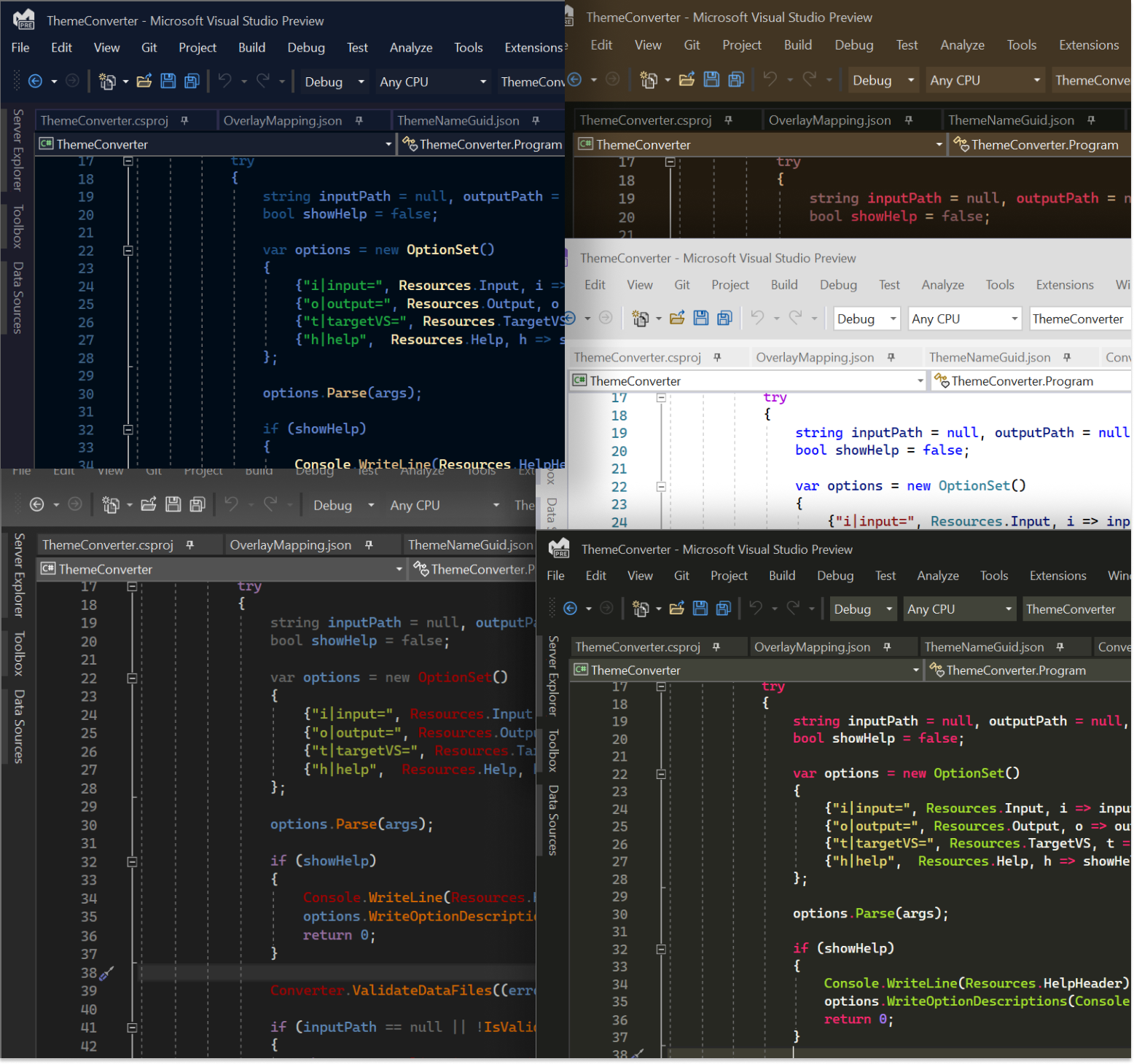
While the investigation is ongoing, the incident has prompted a broader conversation regarding the security of the Visual Studio Marketplace and the vetting processes for third-party extensions. In the wake of the breach, cybersecurity experts are calling for increased transparency and more robust automated scanning of extensions before they are made available to millions of users. The nature of this breach—where a malicious actor manipulated a trusted tool—is a hallmark of modern cyber espionage, where the goal is often to gain high-level access to proprietary internal systems.
GitHub’s response has been focused on containment and auditing. By confirming the number of affected repositories at 3,800, the company has provided a degree of clarity to its community, though the psychological impact of such a high-profile breach remains significant. The platform continues to work through its internal systems to ensure that all compromised access points have been neutralized.
Threat Actors and the Underground Market
The breach has been linked to a group known as TeamPCP, which has claimed responsibility for the incident. The group reportedly advertised the stolen internal data on underground cybercrime forums, seeking to monetize the cache of information. This move is characteristic of a shift in cybercriminal behavior, where groups are increasingly targeting the foundations of the software industry to extract maximum value.
The attackers’ public claims regarding the sale of the data have been monitored closely by security researchers. By attempting to sell what they describe as a massive cache of internal organizational data, TeamPCP is aiming to gain notoriety and profit. However, GitHub’s swift public acknowledgment of the breach and its transparent communication regarding the scope of the affected data have helped to mitigate some of the uncertainty surrounding the event.
The incident also highlights the risks posed by GitHub Copilot and other AI-assisted development tools that rely on the integrity of the underlying codebase. As these tools become more deeply integrated into the software development lifecycle, ensuring the cleanliness and security of the repositories they analyze is paramount.
What Which means for the Future of Security
The security of the software supply chain is no longer just a technical concern; It’s a fundamental business risk. Companies that rely on open-source tools and third-party extensions must now adopt a “zero-trust” approach to their development environments. This includes regular credential rotation, strictly limiting the permissions granted to third-party extensions and implementing advanced monitoring for unusual activity on developer workstations.
For the individual developer, the lesson is clear: caution is necessary when installing new tools or updates, even from trusted sources. The “Wild West” nature of extension marketplaces means that users are often the final line of defense against malicious code. Security advisories and regular updates to development environments are essential practices for anyone working in the software industry today.
As the industry moves forward, we can expect to see more stringent requirements for developers and publishers who contribute to extension marketplaces. The goal is to create a more resilient ecosystem where trust is verified rather than assumed. This may involve new authentication standards for publishers, more rigorous code review processes for popular extensions, and improved notification systems for users when a tool they rely on has been compromised.
Looking Ahead
GitHub’s investigation remains active, and the company continues to provide updates as it learns more about the extent of the breach and the methods used by the attackers. Stakeholders are encouraged to monitor official channels for further guidance on security best practices and any necessary actions required to protect their own environments.
This incident is a sobering reminder that the platforms we rely on for collaboration and innovation are also targets for those who wish to disrupt them. By staying informed and maintaining a proactive security posture, the developer community can better defend itself against the evolving threats of the digital age.
We will continue to track this story as more details emerge from official investigations. What steps are you taking to secure your development workflow in light of these recent events? Share your thoughts and experiences in the comments below.
Keep reading