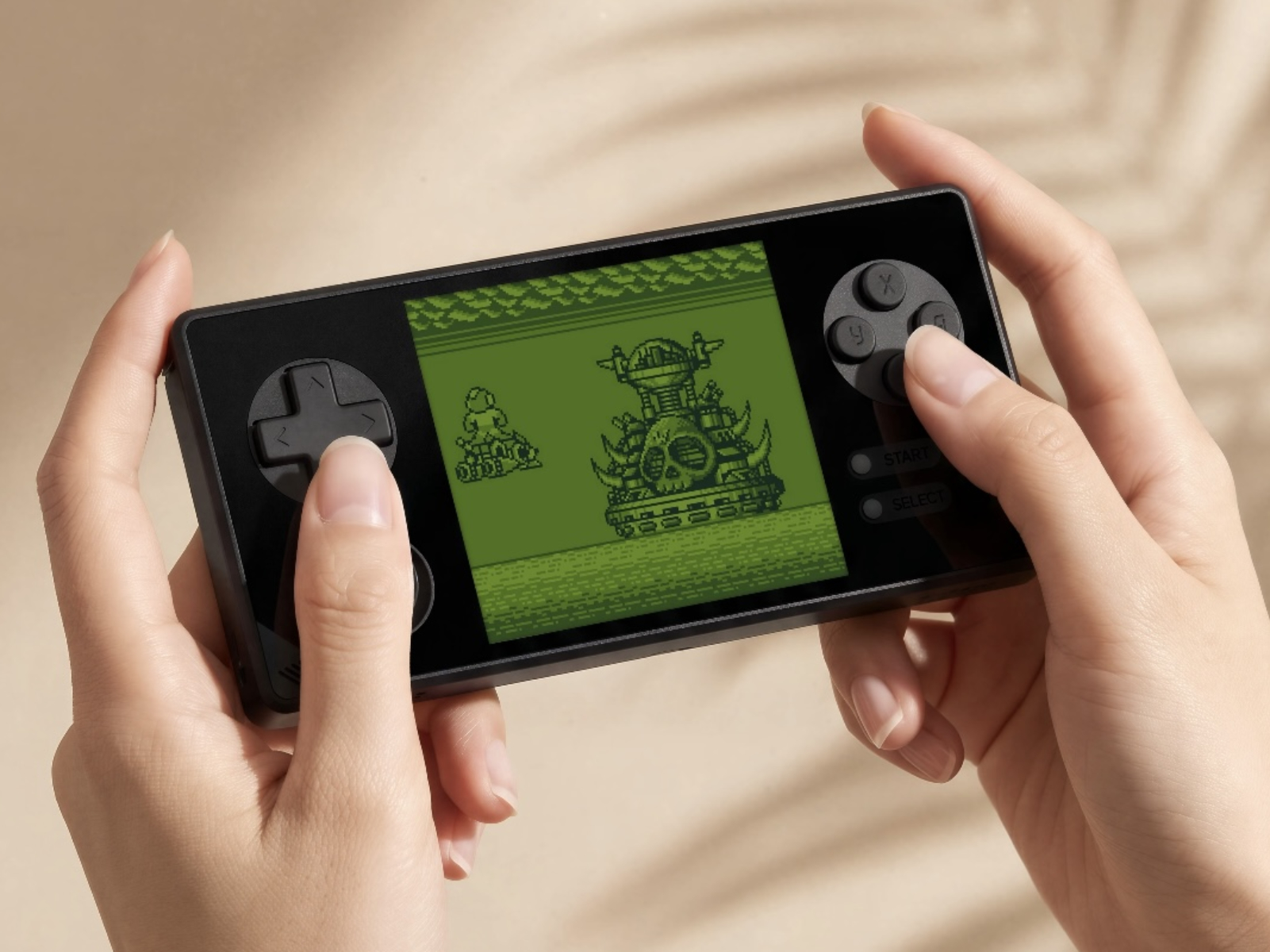
The GKD 350H Ultra is a compact handheld gaming console featuring a high-resolution display and 2 GB of RAM, designed primarily for retro gaming emulation. According to technical specifications released via Notebookcheck, the device focuses on a small form factor that balances portability with a screen quality intended to surpass standard low-end handhelds in its category.
The device enters a crowded market of “retro handhelds,” where the primary goal is to emulate software from legacy consoles such as the Game Boy Advance, PlayStation 1, and various arcade systems. By integrating 2 GB of RAM, the GKD 350H Ultra aims to provide a more stable experience for these emulators, reducing the stutter and crashes often found in devices with 512 MB or 1 GB of memory.
For users prioritizing a “pocketable” experience, the 350H Ultra targets a specific niche: those who want a high-density screen without the bulk of a full-sized Steam Deck or ASUS ROG Ally. The hardware is built to handle lightweight operating systems, typically Linux-based distributions tailored for emulation, which allow the 2 GB of RAM to operate efficiently.
GKD 350H Ultra Technical Specifications and Hardware
The core appeal of the GKD 350H Ultra is its display. While many budget handhelds use low-resolution panels that result in “blurring” when scaling old games, the 350H Ultra utilizes a high-resolution screen to maintain sharper image fidelity. This is particularly important for 2D sprites and pixel art, which benefit from the precise pixel mapping offered by higher-density panels.
The inclusion of 2 GB of RAM is a strategic move for the device’s performance. In the context of emulation, RAM is used to cache game data and manage the overhead of the emulator software. According to hardware analysis from Notebookcheck, this capacity allows the device to run more demanding retro titles—such as those from the 32-bit era—with greater consistency than its predecessors.
The console maintains a compact chassis, ensuring it remains a portable device. The input layout follows the traditional handheld standard, featuring a D-pad, face buttons, and shoulder triggers. This design ensures compatibility with the vast majority of legacy game libraries, which were designed for similar control schemes.
Retro Gaming Performance and Emulation Capabilities
The GKD 350H Ultra is engineered to act as a bridge between ultra-portable “keychain” consoles and larger handheld PCs. Because it lacks the power of an x86 processor, it cannot run modern AAA PC titles, but it excels in the “retro” space. The hardware is optimized for software like RetroArch, which allows users to switch between different “cores” to find the best performance for a specific game.
The high-resolution screen allows for the use of “shaders,” which are software filters that mimic the look of old CRT televisions. These shaders require additional processing power and memory; the 2 GB of RAM helps the GKD 350H Ultra apply these visual enhancements without causing significant frame rate drops.
Battery life in these compact devices typically varies based on screen brightness and the complexity of the emulator being used. While official battery capacity figures are often listed by manufacturers, real-world performance usually depends on whether the user is playing a low-power Game Boy title or a more intensive PlayStation 1 game.
Market Positioning and User Value
The GKD 350H Ultra competes in a segment where value is measured by the “performance-to-size” ratio. By offering a high-resolution screen in a compact body, it targets enthusiasts who find standard 3.5-inch screens too grainy but find 7-inch screens too cumbersome for travel.
The device appeals to two main groups: collectors who want to digitize their legacy libraries and “new-retro” gamers who discover classic titles through indie-inspired games. The ability to store thousands of ROMs on a microSD card makes the device a comprehensive archive of gaming history in a single handheld.
Compared to high-end handhelds, the GKD 350H Ultra is a specialized tool. It does not attempt to compete with the cloud-gaming capabilities of a Logitech G Cloud or the raw power of a Valve Steam Deck. Instead, it focuses on the “pure” emulation experience, emphasizing screen clarity and a small footprint.
Further updates regarding official pricing, regional availability, and detailed benchmark tests for specific console emulations are expected as more retail units reach reviewers. Those interested in the device should monitor official distribution channels for shipping timelines.
Do you prefer a high-resolution screen or a larger display for your retro gaming? Share your thoughts in the comments below.
Related reading