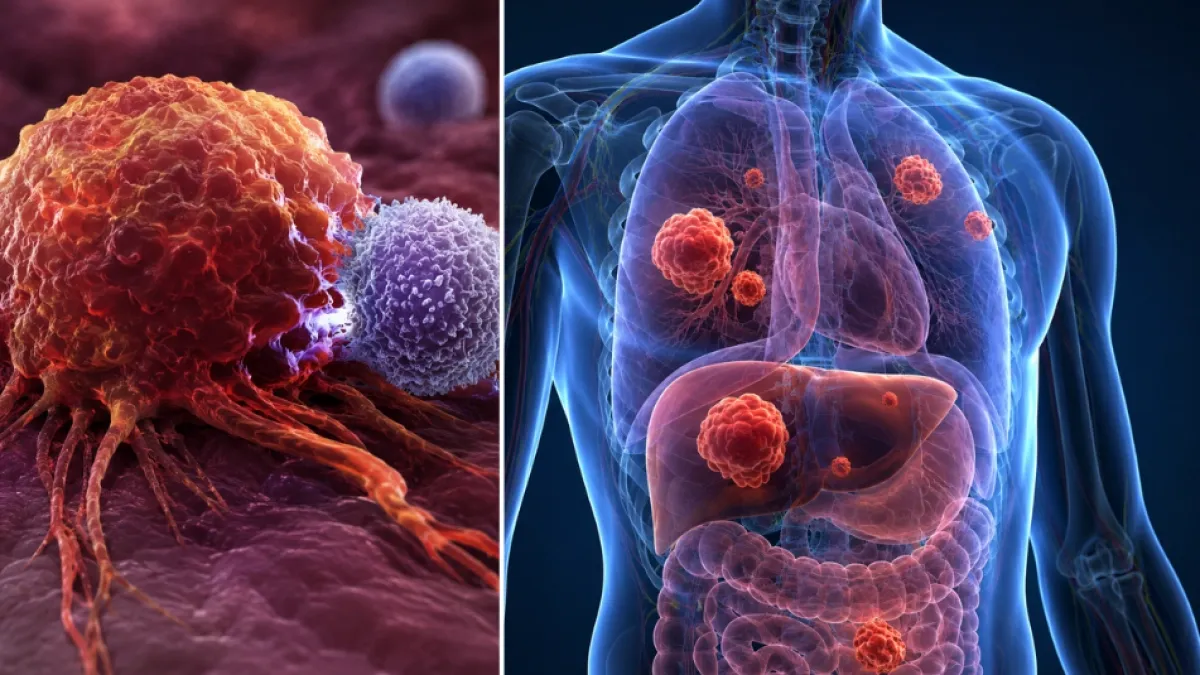
The global cancer burden is projected to rise significantly, with the World Health Organization (WHO) forecasting that the number of new cancer cases will nearly double by 2050. This shift is driven by a growing and aging global population, alongside changing exposure to environmental and behavioral risk factors.
While the statistic that 1 in 5 people will develop cancer in their lifetime is often cited, it is crucial to understand that cancer risk is not distributed equally. According to data from the WHO Global Cancer Observatory, the disparity in survival rates is heavily influenced by geography, socioeconomic status, and access to early detection and high-quality oncology care.
Drivers of Global Cancer Incidence
The anticipated rise in cancer cases is primarily attributed to demographic shifts. However, lifestyle and environmental factors remain significant contributors to this trend. The World Health Organization identifies tobacco use, alcohol consumption, and obesity as primary behavioral drivers, while environmental pollution and occupational exposures continue to play a role in specific regions.
In many low- and middle-income countries, the transition is complicated by the “double burden” of disease: these regions are simultaneously managing high rates of infectious diseases and a rapid rise in non-communicable diseases like cancer. Because these healthcare systems are often already stretched, the ability to implement national screening programs or provide advanced treatments remains limited. This leads to a stark “survival gap,” where patients in high-income countries are significantly more likely to survive common cancers than those in lower-income settings due to the availability of timely diagnosis and comprehensive care.
Prevention and Early Detection Strategies
While the overall incidence of cancer is rising, medical research consistently demonstrates that a large proportion of cancer cases are preventable. Public health initiatives focus on modifying risk factors that have a known link to carcinogenesis.
For individuals, this means prioritizing primary prevention: maintaining a healthy weight, increasing physical activity, limiting alcohol intake, and adhering to tobacco cessation programs. However, the global challenge lies in ensuring these screening tools are accessible to populations in underserved areas.
Addressing Global Inequity in Oncology
Without these structural changes, the projected doubling of cases by 2050 will result in a disproportionate number of preventable deaths in the most vulnerable populations.
Moving Toward 2050
The international community is currently working toward the goals set out in the WHO Global Action Plan for the Prevention and Control of Noncommunicable Diseases. This plan serves as a roadmap for countries to integrate cancer control into their broader health policies.
Have you found this analysis helpful? Please share this article with your network to help spread awareness about the importance of equitable cancer care and early detection.
- Neonicotinoids Found in Nutella and Imported Honey: What You Need to Know
- Presbycusis After 65: Why Hearing Loss Progresses and How to Manage It
- Iowa Cancer Rates Shock Des Moines Register in 1998 (news-usa.today)
- Cyclosporiasis Outbreak Hits 32 States With Thousands of Confirmed Cases (archyworldys.com)