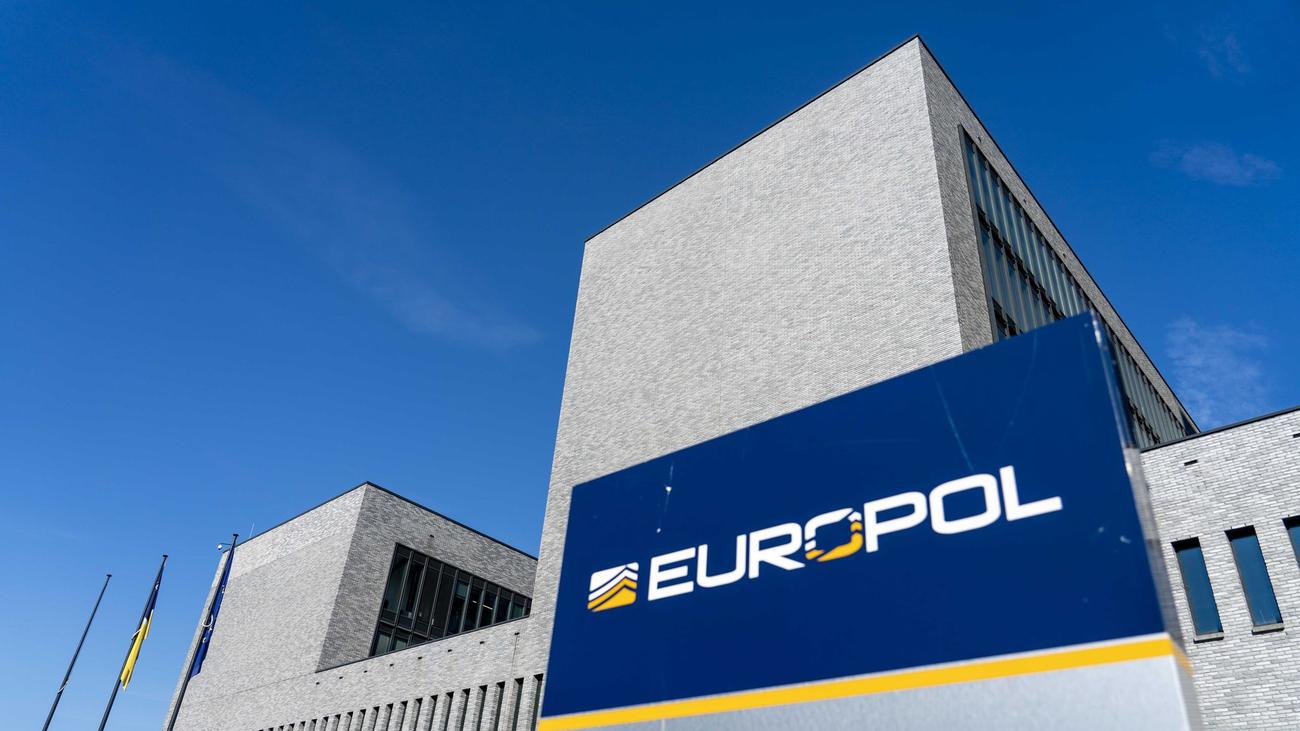
Global Criminal Network Dismantled in Major International Operation
The Hague – A sprawling criminal network involved in large-scale money laundering and drug trafficking has been dismantled following a coordinated international operation, authorities announced Friday. Fifteen suspects have been arrested across four countries – Sweden, Spain, Germany, and Australia – marking a significant blow to transnational organized crime. The operation, coordinated by Europol, revealed a complex web of companies exploited by criminal organizations to conceal illicit profits derived from the drug trade, stretching across Europe, Asia, and Australia. This case underscores the increasingly globalized nature of organized crime, as highlighted by Andy Kaag, Head of Europol’s Organized Crime Department, who stated, “It starts with something tiny. But it is global.”
The investigation, which began in 2024, was sparked by a seemingly minor incident: the seizure of two mobile phones in a small town in western Sweden. According to Matts Berggren, Deputy Head of the Swedish National Police’s Operational Department, local officers discovered sophisticated data detailing the network’s operations stored on the devices. “Local police officers found the stored data of a sophisticated global criminal network on the phones,” Berggren stated, declining to name the town due to the ongoing investigation. This initial discovery triggered a two-year collaborative effort involving law enforcement agencies in Sweden, Spain, Germany, and Australia, culminating in this week’s coordinated raids.
From Swedish Seizure to International Takedown
The investigation benefited from the support of Eurojust, the European Union’s judicial cooperation body, and too involved authorities in Thailand. Dozens of buildings were searched, and computers and phones were seized as evidence. The network’s operations were particularly focused on the online trade of drugs, primarily targeting Scandinavian countries, with Thailand serving as a key hub for distribution. In Sweden, these drugs were then further distributed, and the resulting profits were laundered through a complex system involving legitimate businesses.
A significant breakthrough in the case came with the seizure of 1.2 tonnes of synthetic drugs in Germany, destined for Australia. This discovery led to two arrests in Australia, while further investigations resulted in the apprehension of other key individuals in Sweden and Spain. Europol officials noted that many of those arrested had previously remained undetected by law enforcement, highlighting the network’s sophisticated operational security.
The Role of Thailand in the Drug Trade
Thai authorities played a crucial role in dismantling the network’s logistical operations. Members operating within Thailand were responsible for organizing the online sale of drugs, primarily to customers in Scandinavian nations. This demonstrates the increasing role of Southeast Asian countries in the global drug trade and the challenges faced by international law enforcement in combating these transnational criminal activities. The network’s ability to leverage online platforms for drug trafficking underscores the need for enhanced cybersecurity measures and international cooperation to disrupt these illicit operations.
Money Laundering Operations and Financial Complexity
Beyond the drug trafficking component, the investigation revealed a sophisticated money laundering scheme designed to obscure the origins of the criminal proceeds. The network utilized a network of companies to funnel illicit funds, making it difficult for authorities to trace the flow of money. This highlights the critical importance of financial intelligence and international cooperation in combating money laundering, a key enabler of organized crime. Europol’s Kaag emphasized that this case exemplifies how modern organized crime operates, starting with seemingly small-scale activities but rapidly expanding into a global enterprise.
The investigation is ongoing, and authorities are continuing to analyze the seized data and financial records to identify additional suspects and uncover the full extent of the network’s operations. The collaborative effort between law enforcement agencies across multiple continents demonstrates the growing recognition of the need for international cooperation to effectively combat transnational organized crime.
Impact and Future Implications
The dismantling of this network represents a significant victory for international law enforcement, disrupting a major source of illicit drugs and money laundering. However, experts warn that criminal organizations are constantly adapting and evolving, and new networks will likely emerge to fill the void. The case also highlights the importance of investing in law enforcement capabilities, particularly in areas such as digital forensics and financial intelligence, to stay ahead of these evolving threats.
The investigation also underscores the vulnerability of legitimate businesses to exploitation by criminal organizations. Companies must implement robust due diligence procedures and anti-money laundering controls to prevent their operations from being used to facilitate illicit activities.
As Europol continues to coordinate international efforts to combat organized crime, the focus will likely shift towards disrupting the financial infrastructure that supports these networks and targeting the individuals who profit from these illicit activities. The agency is also working to enhance information sharing and collaboration between law enforcement agencies across borders to improve the effectiveness of investigations and prosecutions.
Key Takeaways
- A major international criminal network involved in drug trafficking and money laundering has been dismantled.
- The operation resulted in 15 arrests across four countries: Sweden, Spain, Germany, and Australia.
- The investigation began with the seizure of two mobile phones in Sweden and expanded into a two-year collaborative effort.
- Thailand played a key role in the network’s drug distribution operations, primarily targeting Scandinavian countries.
- The case highlights the increasing globalization of organized crime and the need for international cooperation.
Authorities are expected to provide further updates on the investigation as more information becomes available. The ongoing analysis of seized data and financial records will likely lead to additional arrests and prosecutions in the coming months. Readers are encouraged to share their thoughts and perspectives on this important issue in the comments section below.
Related reading