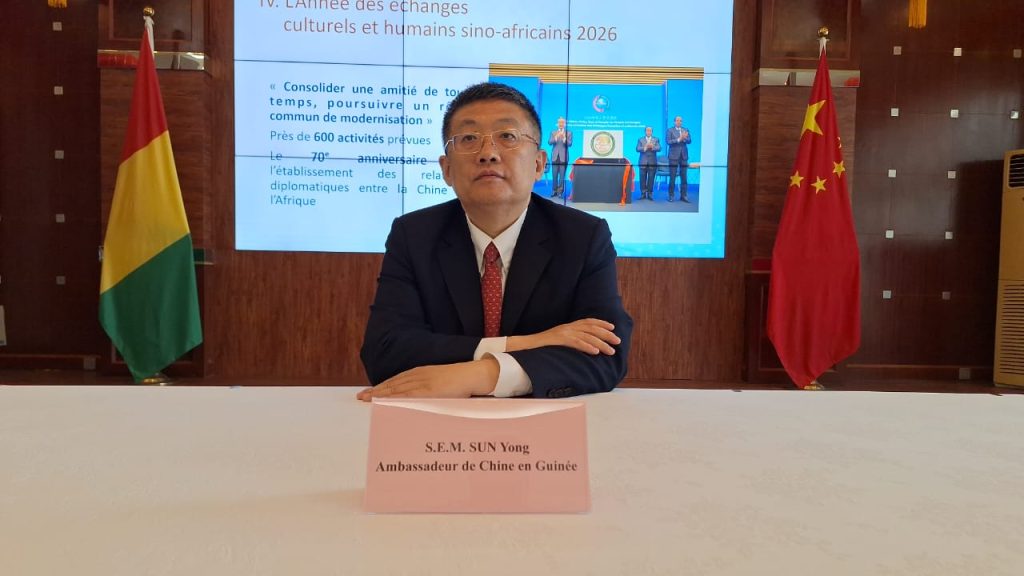
In an era defined by volatile trade policies and shifting geopolitical alliances, the recent surge in Sino-Guinean cooperation stands as a significant outlier. Latest data indicates that exchanges between China and Guinea have risen by 58%, a growth trajectory that emerges as a strategic response to the mounting wave of global protectionism currently reshaping international commerce.
This bilateral expansion occurs at a time when the global economic landscape is characterized by extreme instability. Even as the integration of the world economy is far more profound today than it was during the 1930s—with global trade now 20 times larger—the trend toward restrictive trade barriers is accelerating. The growth in trade between China and Guinea suggests a pivot toward alternative partnerships as traditional trade corridors face increasing friction.
As Chief Editor of Business at World Today Journal, I have tracked these shifts in economic policy for nearly two decades. The current dynamic is not merely a series of isolated tariff disputes but a fundamental redesign of global trade, particularly driven by the tariff policies of Donald Trump’s second term as president of the United States per the Transnational Institute.
The Acceleration of Global Protectionism
The trend toward protectionism has manifested in a chaotic and abrupt acceleration over the last decade. We see no longer limited to simple import taxes. rather, it encompasses a broad suite of “national preference” measures. These include public subsidies for domestic companies and the establishment of specific productive “norms” designed to shield internal markets from foreign competition.
A primary example of this shift is the “Buy American Act,” which was reactivated under the administration of Barack Obama and subsequently extended by every following president in the White House according to analysis by Marie Martin. This policy underscores a systemic move away from the liberalized trade models that dominated the late 20th century.
Recent actions from Washington have further intensified these tensions. The U.S. Government recently announced tariffs of 145% against China, although this was followed by a 90-day “pause.” Similarly, threats to tax European goods at a rate of 50% were issued, with the deadline for implementation being pushed from June 1 to July 9. These rapid reversals highlight the unpredictable nature of current economic diplomacy.
Sino-Guinean Trade as a Strategic Counter-Trend
Against this backdrop of “national preference” and aggressive tariffs, the 58% increase in exchanges between China and Guinea represents a critical shift. In a world where major powers are erecting barriers, the strengthening of ties between emerging economies and China serves as a practical response to the crisis of global capitalism.
The scale of modern trade integration makes these protectionist moves particularly disruptive. Since the global economy is so tightly interwoven, the imposition of high tariffs—such as the 145% rate targeted at Chinese goods—creates ripple effects that extend far beyond the two primary disputants. By diversifying trade partners and increasing cooperation with nations like Guinea, countries can mitigate the risks associated with the volatility of U.S.-led trade policies.
Key Drivers of the Current Trade Shift
- Diversification: Moving away from reliance on markets that employ unpredictable tariff spikes.
- National Preference: The rise of policies like the Buy American Act forcing global players to seek new bilateral agreements.
- Market Integration: Leveraging the fact that global trade is 20 times larger than in previous eras to find new growth corridors.
- Strategic Subsidies: The use of public funds to protect domestic industries, prompting partners to form exclusive trade blocs.
What This Means for Global Markets
The trajectory of Sino-Guinean cooperation is a microcosm of a larger global trend: the search for stability in an unstable system. When the leading global economy adopts a policy of redesigning trade through tariffs and “pauses,” other nations are forced to accelerate their own strategic partnerships to ensure economic survival.
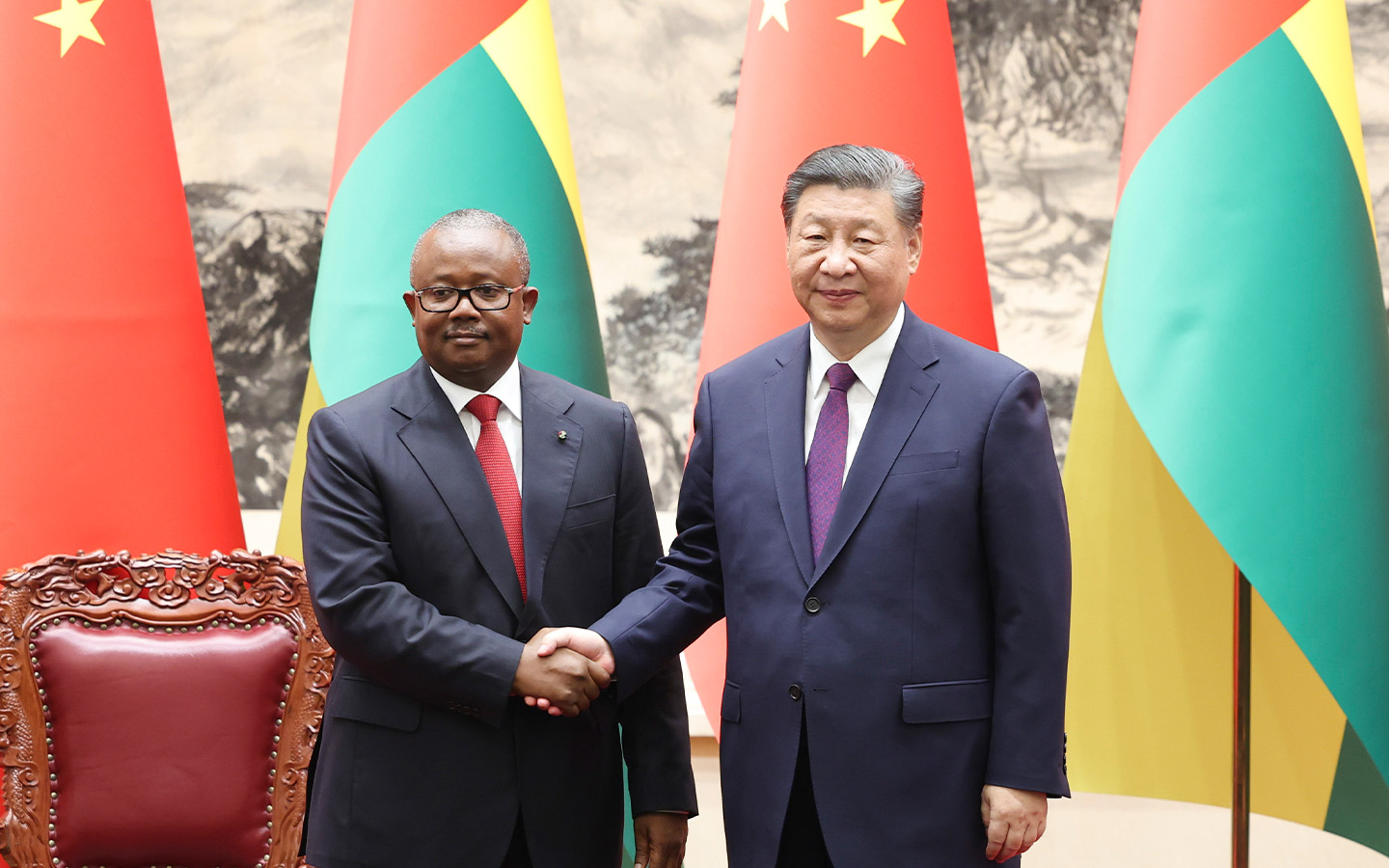
The tension between the inherent integration of the modern economy and the political drive toward protectionism is creating a fragmented global market. For businesses and policymakers, the lesson is clear: the era of predictable, multilateral free trade has been replaced by a period of bilateral pragmatism.
While the 58% increase in trade between China and Guinea is a positive indicator for those two nations, it also signals a broader fragmentation. As Washington continues to fluctuate between aggressive tariff threats and temporary pauses, the “global” economy is increasingly becoming a collection of competing regional and bilateral hubs.
The next critical checkpoint for global trade stability will be the resolution of the current tariff deadlines and the expiration of the 90-day pause on U.S.-China duties. These events will likely determine whether the world moves toward further fragmentation or a new, albeit fragile, equilibrium.
Do you believe bilateral agreements are the only way to survive the current wave of protectionism? Share your thoughts in the comments below.
Worth a look