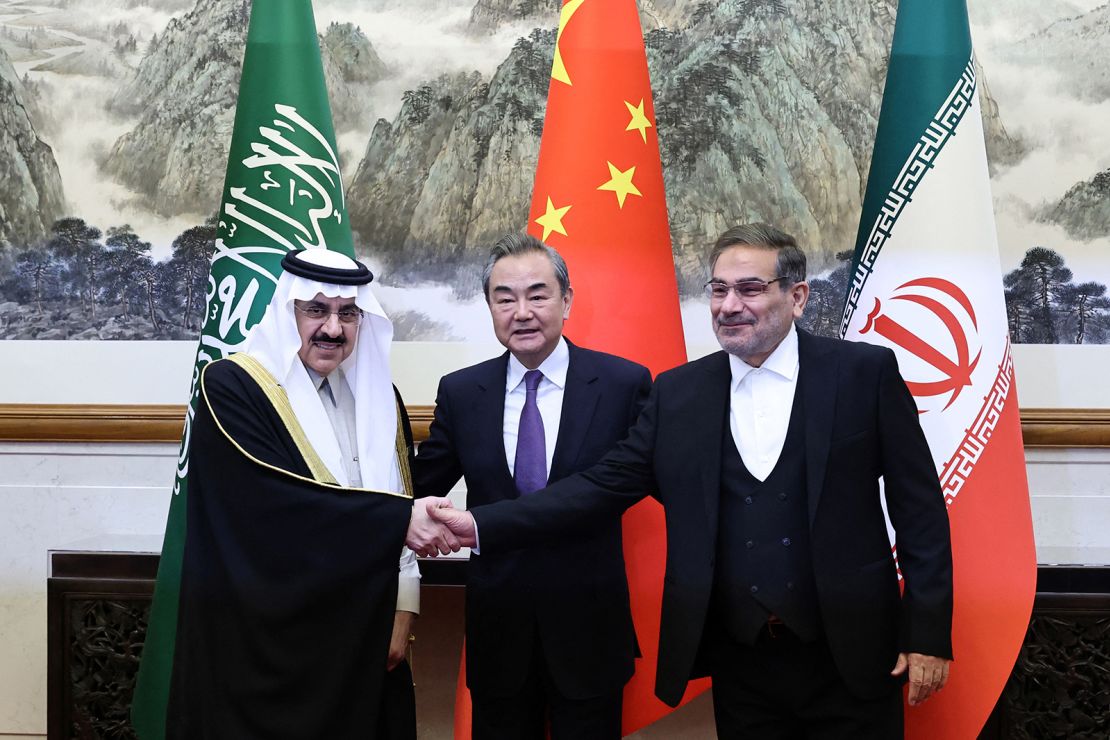
As global economic tensions escalate—amplified by the ongoing conflict in Iran and shifting geopolitical alliances—China has emerged as a pivotal player in efforts to stabilize international markets. With the U.S. And its allies navigating a complex landscape of sanctions, supply chain disruptions, and diplomatic uncertainty, Beijing’s role as a potential mediator and economic counterbalance has taken center stage. This shift comes at a critical juncture, as businesses worldwide recalibrate their strategies to mitigate risks in an environment where traditional alliances are being redefined.
The latest signal of this realignment is the upcoming delegation of high-profile CEOs scheduled to accompany former U.S. President Donald Trump on a business mission to China later this month. While details of the delegation’s composition remain under wraps, the move underscores China’s growing appeal as a destination for global commerce—particularly for companies seeking to diversify away from Western markets amid escalating trade tensions. Analysts suggest the trip could mark a turning point in Sino-U.S. Economic relations, with China positioning itself as a neutral yet influential force in the global economy.
Yet the backdrop to this diplomatic and commercial overture is far from stable. The conflict in Iran has sent shockwaves through global energy markets, supply chains, and financial systems, forcing corporations to reassess their risk exposure. China, with its vast economic influence and historical ties to Iran, is uniquely positioned to offer both stability and opportunity. For businesses, the question is no longer if they should engage with China, but how—and whether Beijing’s mediation efforts can deliver tangible benefits in an increasingly fragmented world.
Why China’s Mediation Role Matters in a Fragmented Global Economy
China’s potential to act as a mediator in the Iran conflict—and by extension, a stabilizer for global markets—stems from its economic leverage and diplomatic neutrality. Unlike Western powers, which have imposed sanctions on Iran, China has maintained robust trade ties with Tehran, including investments in energy, infrastructure, and technology. This dual role as both a major trading partner of Iran and a key player in global supply chains gives Beijing a unique vantage point to influence outcomes without directly aligning with either side of the conflict.

For multinational corporations, this presents a calculated risk. On one hand, engaging with China could provide access to Iranian markets and resources that remain off-limits to Western firms. Navigating China’s complex regulatory environment—particularly in sectors like technology and finance—requires careful legal and strategic planning. The upcoming delegation may serve as a litmus test for how effectively China can balance its economic interests with its diplomatic ambitions.
According to recent analysis by the Brookings Institution, China’s approach to mediation hinges on three pillars: economic incentives for all parties, avoidance of direct military involvement, and framing its role as a “peacemaker” rather than a partisan actor. This strategy aligns with Beijing’s broader goal of reshaping global governance structures, where it seeks to reduce Western dominance in international institutions.
Global Markets Under Pressure: What’s at Stake?
The conflict in Iran has already triggered ripple effects across critical sectors, including energy, agriculture, and technology. Sanctions and disruptions in the Strait of Hormuz—a chokepoint for global oil shipments—have sent crude prices fluctuating, while food security concerns have arisen due to Iran’s role as a major exporter of grains and dairy. For businesses, the stakes are clear: failure to adapt could result in lost market access, higher operational costs, or even legal exposure.
China’s potential mediation could alleviate some of these pressures, particularly if it succeeds in negotiating a de-escalation or a framework for resumed trade. However, skepticism remains. Western sanctions on Iran remain in place, and any lifting of restrictions would require coordination among major powers—a scenario that currently appears unlikely. Meanwhile, China’s own economic challenges, including slowing growth and a struggling property sector, add another layer of uncertainty to its ability to deliver on its mediation promises.
For now, the focus remains on the upcoming delegation. While the exact composition of the group is unclear, its arrival in China could signal a broader trend: a growing recognition among global businesses that the future of trade may lie in engaging with non-Western powers, even as traditional alliances fracture.
Key Takeaways: What Businesses Need to Know
- China’s Mediation Role: Beijing is positioning itself as a neutral mediator in the Iran conflict, leveraging its economic ties to both Iran and global markets. Success could stabilize supply chains but depends on Western cooperation.
- Economic Risks vs. Opportunities: Companies face heightened risks in Iran-related sectors but may gain access to new markets if China’s mediation efforts succeed.
- Regulatory and Legal Hurdles: Engaging with China requires navigating complex laws, particularly in technology and finance, where compliance risks are high.
- Supply Chain Resilience: Diversification away from Western-dominated supply chains is a priority, with China emerging as a key alternative.
- Geopolitical Uncertainty: The U.S.-China economic relationship remains volatile, and any breakthroughs will depend on broader diplomatic developments.
What Happens Next?
The next critical checkpoint will be the arrival of the CEO delegation in China, expected in the coming weeks. Official statements from both the Trump campaign and Chinese authorities will provide clarity on the delegation’s objectives and whether any concrete agreements are being pursued. Markets will closely watch for updates on Iran’s diplomatic efforts, particularly any signals from regional powers like Russia or Saudi Arabia, which could influence China’s mediation strategy.

For businesses, the immediate action items include:
- Monitoring official announcements from the U.S. And Chinese governments regarding the delegation’s outcomes.
- Consulting legal and compliance experts to assess risks in engaging with China or Iranian markets.
- Evaluating supply chain diversification strategies, with a focus on reducing exposure to high-risk regions.
- Tracking developments in energy and agricultural markets, where Iran’s conflict has had the most immediate impact.
As the global economy continues to navigate these uncharted waters, one thing is clear: the lines between diplomacy, commerce, and geopolitics have never been more blurred. For those willing to adapt, the opportunities may outweigh the risks—but only for those who move with precision and foresight.
What are your thoughts on China’s role in stabilizing global markets? Share your insights in the comments below, and don’t forget to follow World Today Journal for ongoing coverage of this developing story.
Worth a look
- Solo Travel in Georgia: A YouTuber’s Content Creation Journey
- Maximize Your Travel Benefits: Choosing the Right Credit Card
- Macklin Celebrini’s Record Extension Puts Pressure on Sharks GM Mike Grier (newsdirectory3.com)
- China Cracks ASML Tech: Implications for Global Semiconductor Industry (archynewsy.com)