The global energy landscape is currently navigating a precarious intersection of systemic theft and heightened geopolitical volatility. As tensions persist in the Strait of Hormuz, a critical maritime chokepoint for international oil transit, the situation is being further complicated by reports of large-scale crude oil theft in Nigeria. This convergence of regional conflict and domestic illicit activity presents a multifaceted challenge to global energy security, impacting supply chains that extend from the Gulf of Guinea to the markets of Asia and Europe.
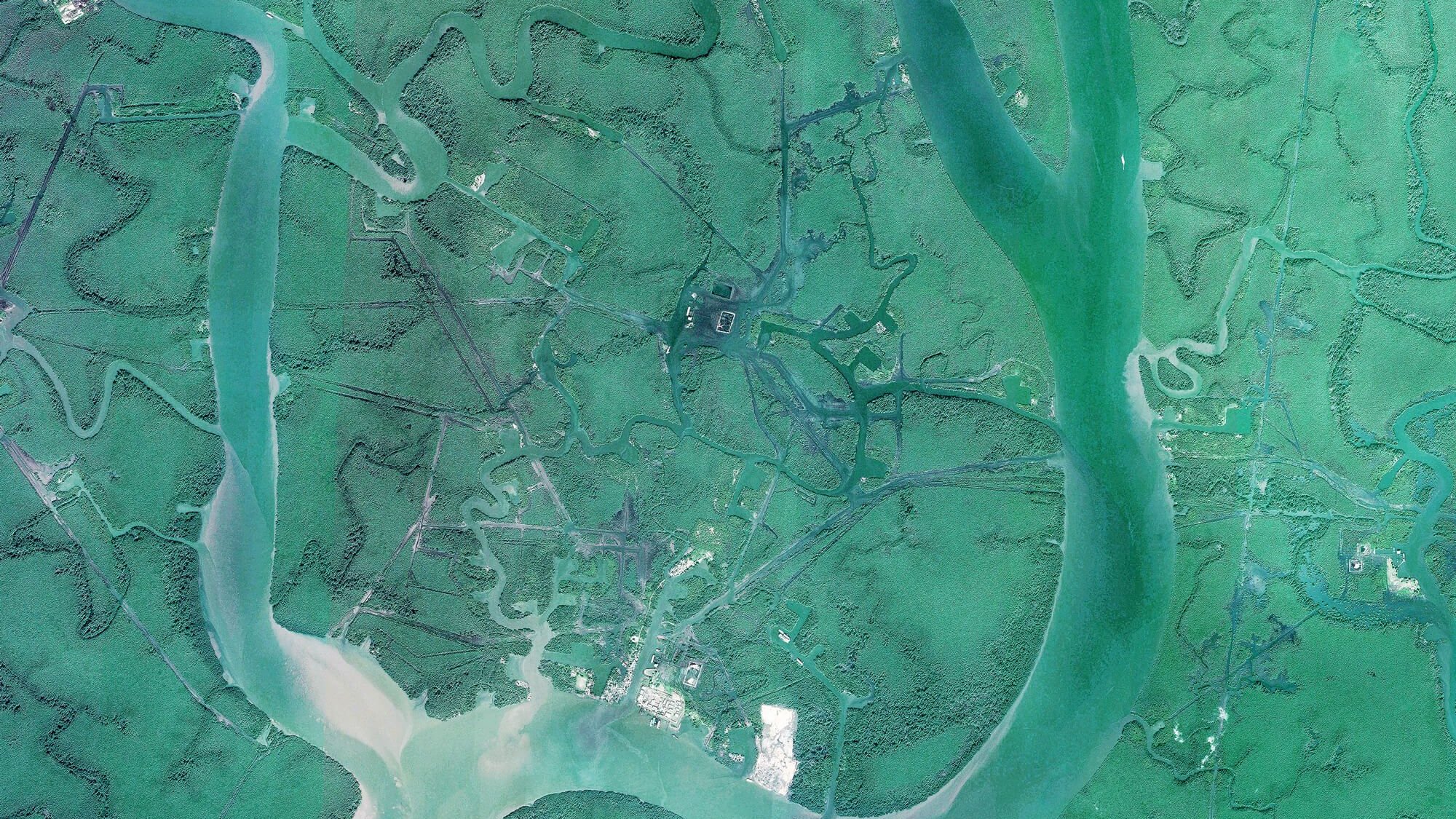
In Nigeria, the theft of crude oil—often referred to as “bunkering”—has long been a drain on the nation’s economy, but its current scale has reached levels that international observers describe as a threat to national stability. According to data from the Nigerian National Petroleum Company (NNPC), the country has faced significant losses in production capacity due to pipeline vandalism and illegal tapping, which directly influences the global availability of high-quality “sweet” crude. When Nigeria fails to meet its OPEC production quotas, the resulting supply gap exerts upward pressure on global prices, leaving developing nations particularly vulnerable to sudden market shocks.
Meanwhile, the Strait of Hormuz remains the world’s most important oil transit chokepoint, with an estimated 21 million barrels of petroleum and liquids passing through daily, according to the U.S. Energy Information Administration (EIA). Any escalation in the Iran-related maritime tensions creates an immediate “risk premium” on global oil prices. For import-dependent economies in Africa and Asia, this is not merely a matter of economic statistics; We see a direct threat to food security and industrial stability, as rising energy costs inevitably translate into higher transportation and production expenses for essential goods.
The Mechanics of Global Energy Instability
The correlation between regional unrest and the cost of living is becoming increasingly pronounced. While the Strait of Hormuz serves as a geopolitical flashpoint, the internal crisis in Nigeria highlights the fragility of energy infrastructure in resource-rich nations. The Federal Agency for Civic Education (bpb) has noted that populations in many developing countries lack the fiscal buffer to absorb the inflationary pressures caused by these concurrent energy supply disruptions. When the cost of fuel rises, the cost of agricultural inputs—such as fertilizer and transport—follows, often leading to food insecurity in regions already struggling with economic volatility.
The “innovation pressure” mentioned in recent economic discourse refers to the urgent need for countries to diversify their energy sources. As the threat of supply chain disruptions looms, the drive toward renewable energy is no longer just an environmental imperative; it is becoming a core component of national security. Governments are increasingly recognizing that self-sufficiency, through the adoption of green technologies and localized agricultural production, is the only viable long-term defense against the volatility of the global oil market.
Geopolitical Risks and the Human Cost
The human impact of these crises is often obscured by the focus on market indices. In nations where a significant portion of the population lives near the poverty line, a 10% to 20% increase in food prices—driven by energy costs—can be catastrophic. International humanitarian organizations have highlighted that the “existential threat” posed by war-related supply chain interruptions is felt most acutely by those who have the least access to social safety nets. The taz has reported extensively on how localized, sustainable agricultural practices could serve as a buffer against these global shocks, emphasizing that the transition to decentralized food systems is a matter of survival rather than policy preference.
the reliance on a few key maritime corridors makes the global economy hostage to local conflicts. If the Strait of Hormuz were to see a significant disruption, the global market would experience a shock that would take months, if not years, to stabilize. Recent analyses from the Neue Zürcher Zeitung underscore that the current geopolitical climate is one of heightened uncertainty, where even minor incidents can trigger cascading effects in global commodity markets.
Pathways to Resilience
To mitigate these risks, experts point toward a two-pronged strategy: securing critical infrastructure and accelerating the energy transition. In Nigeria, the government has launched various initiatives to curb oil theft, including increased military surveillance of the Niger Delta and the implementation of digital monitoring systems on pipelines. However, the success of these programs remains inconsistent, with the NNPC reporting ongoing challenges in securing vast, remote pipeline networks.
On a global scale, the necessity of self-sufficiency is driving a “green transformation” in unexpected places. Countries that were previously reliant on imported fossil fuels are now investing heavily in domestic solar, wind, and agricultural technology. This shift is not merely about carbon reduction; it is about decoupling national economic health from the volatile prices of crude oil and the geopolitical theater of the Strait of Hormuz. As noted by analysts at Vietnam.vn, the drive for innovation in the face of scarcity is a powerful catalyst for institutional and economic reform.
Looking Ahead: The Next Checkpoints
The coming months will be critical for both the Nigerian energy sector and the wider geopolitical landscape of the Middle East. Observers are closely watching the next OPEC+ ministerial meeting, which typically sets production targets that influence global prices. International maritime security agencies continue to issue periodic updates on the safety of transit through the Strait of Hormuz, with the next major situational assessment expected from the U.S. Energy Information Administration in their upcoming Short-Term Energy Outlook.
For the average citizen, understanding these interconnected systems is the first step toward demanding greater accountability from policymakers. As the world transitions toward a more complex, multi-polar energy future, the ability of nations to protect their own resources while fostering international cooperation will define the stability of the next decade.
What are your thoughts on the impact of global energy volatility on your local economy? We invite our readers to join the conversation below. Please ensure your comments are respectful and contribute to a balanced, fact-based discussion.
Related reading