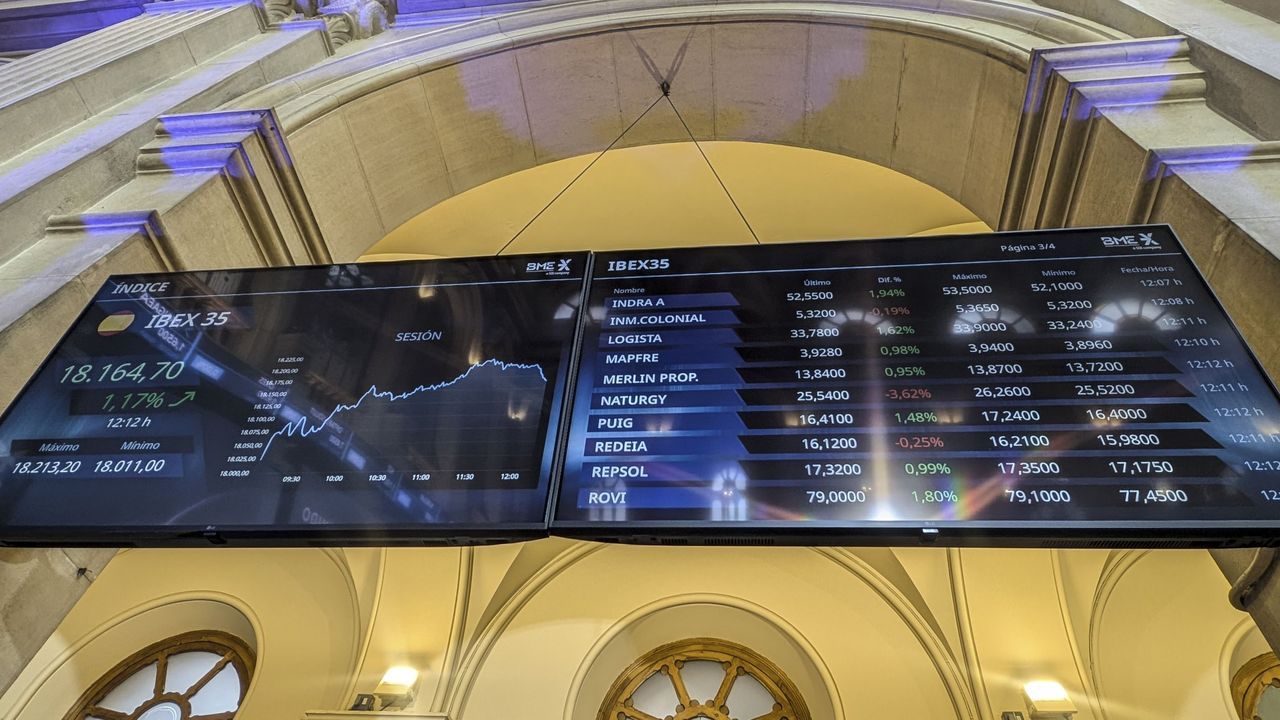
Global stock markets are exhibiting increased caution as investors await the next moves from major central banks. Concerns over persistent inflation, coupled with geopolitical uncertainties, are driving a risk-off sentiment, leading to muted trading activity and a watchful stance among market participants. The coming weeks are expected to be pivotal, with a series of central bank meetings poised to shape the trajectory of monetary policy and, global economic growth.
The current market hesitancy stems from a complex interplay of factors. While inflation has begun to cool in some regions, it remains stubbornly above target levels in many major economies. This has created a dilemma for central banks, which are tasked with maintaining price stability without triggering a recession. Adding to the uncertainty is the ongoing conflict in Ukraine and escalating tensions in the Middle East, which are disrupting supply chains and contributing to energy price volatility. Investors are keenly focused on signals from central bank officials regarding the pace and extent of future interest rate adjustments.
Central Bank Meetings Dominate the Economic Calendar
This week sees a flurry of activity from central banks worldwide. According to Expansión, a “carrusel” of ten central bank meetings is scheduled this week, with a 9-1 split anticipated regarding monetary policy decisions. This suggests a broad trend towards maintaining current rates or even tightening further, with limited expectations for immediate easing. The European Central Bank (ECB) and the U.S. Federal Reserve (Fed) are particularly under scrutiny, as their decisions have far-reaching implications for global financial markets.
The ECB is navigating a challenging landscape, balancing the need to curb inflation with concerns about the economic slowdown in the Eurozone. Recent data indicates that inflation in the Eurozone remains elevated, prompting the ECB to signal its intention to continue raising interest rates, albeit at a potentially slower pace. The El Economista reports that the revision of the ECB’s macroeconomic outlook will be crucial in guiding expectations regarding potential rate hikes in Europe and possible rate cuts in the United States.
Meanwhile, the Fed is closely monitoring economic data for signs of a sustained slowdown. While inflation has eased from its peak, it remains above the Fed’s 2% target. The labor market remains tight, which could put upward pressure on wages and prices. The Fed’s next policy meeting is scheduled for March 20-22, and investors will be scrutinizing the central bank’s forward guidance for clues about its future intentions.
Geopolitical Risks Add to Market Uncertainty
Beyond monetary policy, geopolitical risks are also weighing on investor sentiment. The ongoing conflict in Ukraine continues to disrupt global supply chains and contribute to energy price volatility. Escalating tensions in the Middle East, as highlighted by Yahoo, are adding to the uncertainty. Swisscanto analysts warn that the conflict with Iran is creating a volatile market environment, potentially leading to further price swings.
The potential for further escalation in these geopolitical hotspots is prompting investors to seek safe-haven assets, such as government bonds and gold. This flight to safety is contributing to the downward pressure on stock prices and widening credit spreads. The situation remains fluid, and investors are bracing for further volatility in the coming weeks.
Impact on Different Sectors
The current market environment is impacting different sectors in varying degrees. Defensive sectors, such as healthcare and consumer staples, are generally outperforming cyclical sectors, such as technology and industrials. This is because defensive sectors are less sensitive to economic fluctuations and are considered to be more resilient during periods of uncertainty. Energy stocks are also benefiting from the higher oil prices, but this is offset by concerns about the potential for a global recession to dampen demand.
Financial stocks are particularly vulnerable to the impact of rising interest rates and slowing economic growth. Higher rates can squeeze bank margins and increase the risk of loan defaults. Slowing economic growth can also reduce demand for financial services. Investors are closely monitoring the performance of the financial sector.
Looking Ahead: Key Dates and Potential Catalysts
The next few weeks are likely to be crucial for determining the direction of global stock markets. Key dates to watch include the Fed’s policy meeting on March 20-22, as well as the release of key economic data, such as inflation reports and employment figures. Any unexpected developments in the geopolitical arena could also trigger significant market movements.
The ECB’s upcoming policy decisions will also be closely watched. The central bank is expected to provide further guidance on its plans for future interest rate adjustments. Investors will be looking for signals about whether the ECB is prepared to tolerate higher inflation in order to support economic growth, or whether it will prioritize price stability even at the risk of a recession.
The ongoing conflict in Ukraine and the situation in the Middle East remain significant risks to the global economic outlook. Any escalation of these conflicts could lead to further disruptions to supply chains and higher energy prices, which would weigh on economic growth and investor sentiment.
Key Takeaways:
- Global stock markets are experiencing increased caution due to central bank uncertainty and geopolitical risks.
- Central bank meetings, particularly those of the ECB and the Fed, are dominating the economic calendar.
- Geopolitical tensions, including the conflict in Ukraine and the situation in the Middle East, are adding to market volatility.
- Defensive sectors are generally outperforming cyclical sectors in the current environment.
Investors are advised to remain cautious and to carefully assess their risk tolerance. Diversification and a long-term investment horizon are essential in navigating the current market environment. The coming weeks are likely to be volatile, and investors should be prepared for further price swings. Stay informed about the latest developments from central banks and geopolitical hotspots, and adjust your investment strategy accordingly.
The Federal Reserve’s next policy announcement is scheduled for March 20-22. We will continue to provide updates as they become available. Please share your thoughts and insights in the comments below.