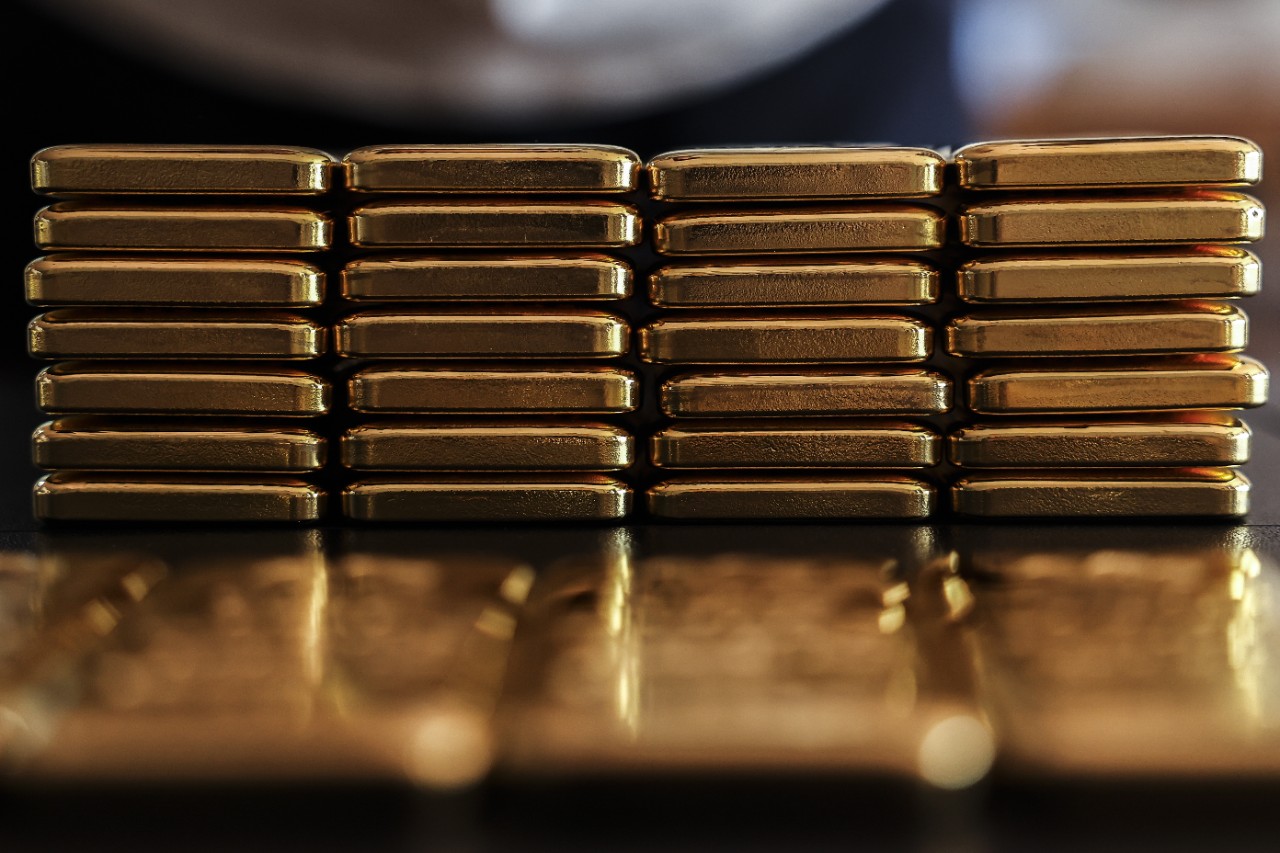
Gold prices are poised for a potential resurgence if upcoming macroeconomic data reveals “bad surprises,” according to analysis from IG. The precious metal typically acts as a hedge against economic instability, and current market tensions surrounding U.S. inflation and global oil prices are creating a volatile environment where gold may regain its appeal as a safe-haven asset.
Investors are closely monitoring the U.S. Consumer Price Index (CPI) and other inflation markers to gauge the Federal Reserve’s next moves on interest rates. While recent data has shown some cooling, any unexpected spike in inflation or a shift in central bank policy could trigger a flight to gold. This dynamic is unfolding against a backdrop of equity market fluctuations, where the CAC 40 and Wall Street are reacting to a mix of easing inflation and geopolitical nervousness.
The relationship between gold and the U.S. dollar is central to this outlook. When macroeconomic data suggests a weakening economic outlook or persistent inflation that erodes purchasing power, demand for gold typically increases.
Inflation Data and the Federal Reserve’s Influence
The primary driver for gold’s current trajectory is the trajectory of U.S. inflation. Recent reports indicate that U.S. inflation rates have shown signs of deceleration, which initially boosted equities and banks on Wall Street. However, the “bad surprises” referenced by analysts refer to the risk of inflation remaining “sticky” or rebounding, which would complicate the Federal Reserve’s plan to lower interest rates.

Gold is a non-yielding asset, meaning it does not pay interest. Consequently, when the Federal Reserve maintains high interest rates to combat inflation, the opportunity cost of holding gold rises, often putting downward pressure on prices. Conversely, if macroeconomic data forces a pivot toward rate cuts—or if inflation spirals beyond control—gold often becomes the preferred asset for wealth preservation.
Market participants are currently weighing the “good news” of cooling inflation against the “bad news” of potential economic slowdown. According to reports from Boursorama, equities have progressed recently due to the drop in U.S. inflation rates, but this optimism is fragile. If the labor market weakens significantly or if inflation proves resistant to current policy, the shift back to gold could accelerate.
Geopolitical Risks and the Oil Connection
Beyond inflation, the “nervous” state of the oil market is adding a layer of complexity to the macroeconomic picture. As noted by Les Echos, the CAC 40 has remained stable but is caught between the relief of lower U.S. inflation and the volatility of crude oil prices. Oil shocks often lead to “cost-push” inflation, where the rising cost of energy drives up the price of goods and services.

Historically, gold has a strong correlation with energy price spikes. When oil prices rise due to geopolitical instability in the Middle East or supply disruptions, inflation expectations typically climb. This creates a dual catalyst for gold: it serves as both a hedge against the resulting inflation and a sanctuary from the geopolitical unrest causing the oil spike.
The current instability in global energy markets suggests that the “macro surprises” could come from the supply side rather than just monetary policy. A sustained increase in oil prices would likely counteract the cooling inflation trends seen in the U.S., potentially reigniting the bull market for gold.
Equity Markets vs. Safe-Haven Assets
The divergence between stock market performance and gold reflects a tug-of-war between risk appetite and risk aversion. Recent sessions on Wall Street saw gains in the banking sector, fueled by favorable inflation figures. Similarly, ASML reported results that exceeded forecasts, boosting the tech sector. However, this growth in equities often comes at the expense of gold, as investors move capital into higher-growth, riskier assets.
The stability of the Paris Bourse, which recently ended in a balanced state, mirrors this hesitation. When the market is “split,” as described by Les Echos, it indicates that investors are not yet convinced of a clear economic direction. This uncertainty is precisely where gold thrives. If the current equity rally stalls due to a macroeconomic shock, the rotation back into the “yellow metal” is likely to be swift.
For global investors, the strategy often involves a balanced allocation. While equities provide growth, gold provides insurance. The current environment—characterized by fluctuating inflation and oil volatility—underscores why professional portfolios maintain gold positions despite the allure of a recovering stock market.
What to Monitor Next
The next critical checkpoint for gold investors will be the release of the next set of U.S. inflation data and the subsequent commentary from Federal Reserve officials. These reports will determine whether the market continues to favor equities or returns to the safety of gold.

Additionally, any escalation in geopolitical tensions that impacts oil production will serve as a primary trigger for gold price volatility. Investors should track the official CPI release dates and the Federal Open Market Committee (FOMC) meeting minutes for the most accurate signals on monetary policy shifts.
Do you believe gold remains the best hedge in the current economic climate, or are you prioritizing equities? Share your thoughts in the comments below.
Worth a look