
The global energy landscape is facing a critical inflection point as the International Energy Agency (IEA) warns that global oil inventories are falling at a record pace. This rapid depletion is being driven by mounting supply losses centered around the Strait of Hormuz, forcing nations to dip deeper into their strategic reserves to mitigate the impact of the ongoing conflict in the Middle East.
The volatility in the crude oil market has reached a fever pitch, shifting from a concern over price fluctuations to a fundamental crisis of availability. For global economies, the depletion of these stocks represents more than just a logistical hurdle; it is a signal of systemic vulnerability in the energy supply chain that could trigger broader economic instability if supply lines are not stabilized.
According to the latest outlook report from the IEA, the drain on global stocks has been precipitous. In March, global oil inventories fell by 129 million barrels, followed by a further decline of 117 million barrels in April. This acceleration in reserve depletion underscores the severity of the supply shortfall caused by the Middle East conflict, leaving the world with a diminishing cushion against further shocks.
The Strait of Hormuz Bottleneck and Supply Losses
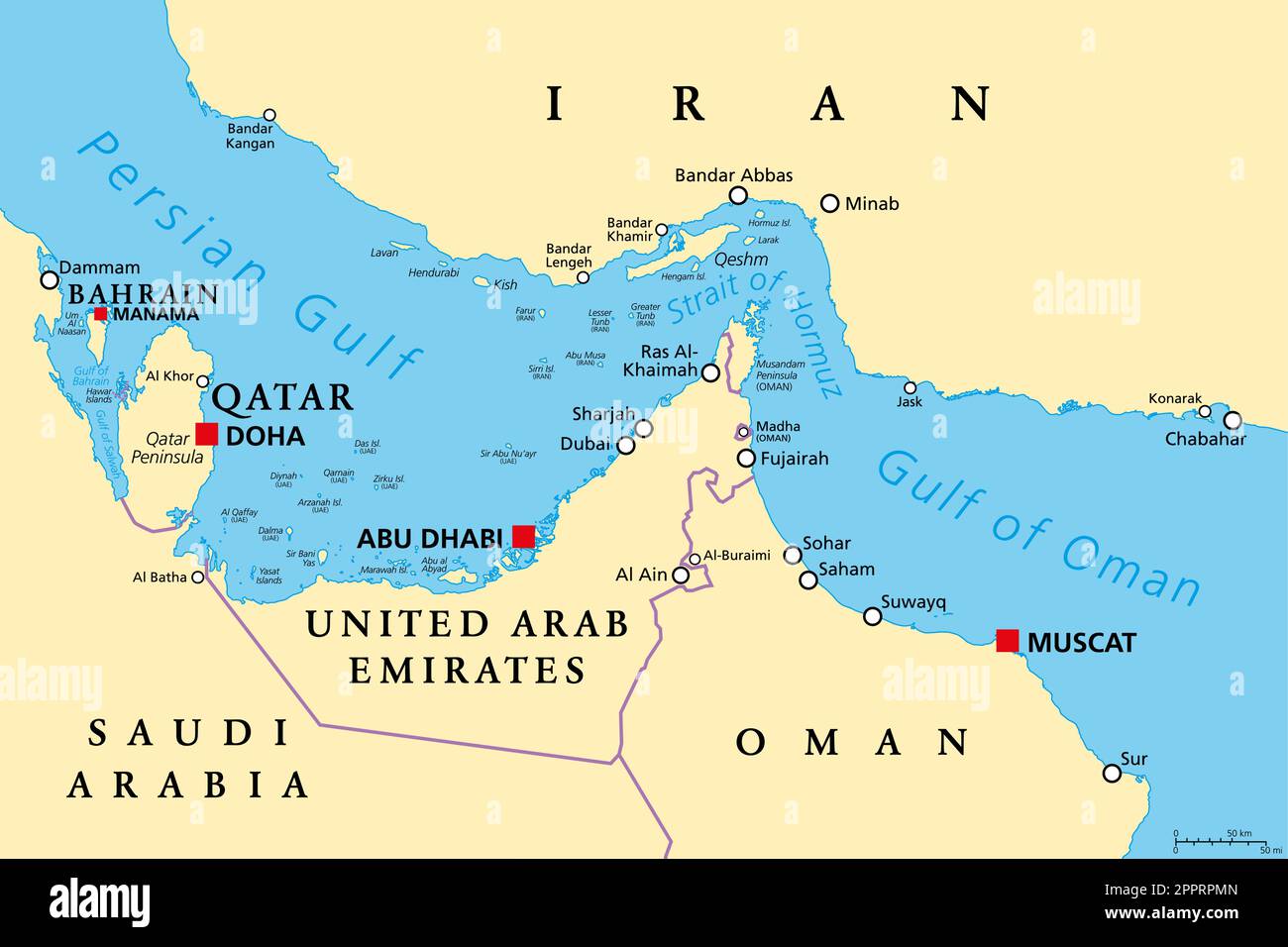
At the heart of the current crisis is the Strait of Hormuz, one of the world’s most strategically vital maritime chokepoints. The IEA reports that mounting supply losses from this region are the primary driver behind the record pace at which inventories are being exhausted. Because a significant portion of the world’s seaborne oil passes through this narrow waterway, any disruption here has an immediate and disproportionate effect on global availability.
The urgency of the situation was highlighted in mid-March, when the IEA ordered the largest release of government oil reserves in its history. This unprecedented move was designed to provide a temporary bridge for markets struggling to absorb the supply gap, but the subsequent data from April suggests that even these massive injections are struggling to keep pace with the losses.
For those tracking energy security, the International Energy Agency remains the primary authority for monitoring these stock levels and coordinating international responses to supply disruptions.
Demand Destruction and Economic Contraction
While supply shortages typically drive prices upward, the IEA is now warning of a secondary phenomenon: demand destruction. As the prices for crude oil and refined products jump, the cost of energy is becoming prohibitive for many industrial users, leading to a forced reduction in consumption.

The IEA forecasts that world oil demand will contract by 420,000 barrels per day (bpd) this year. This brings the total demand forecast down to 104 million bpd, which is 1.3 million bpd fewer than the agency had expected before the Iran war began. This shift indicates that the market is no longer just dealing with a supply problem, but is beginning to experience a shrinking demand base due to economic pressure.
Sectors Most at Risk
The impact of these price hikes and supply shortages is not being felt equally across all industries. The IEA identifies two sectors as being currently most affected:
- The Petrochemical Sector: High feedstock costs are squeezing margins and reducing the output of essential plastics and chemicals.
- The Aviation Sector: Surging jet fuel prices are increasing operational costs for airlines, likely leading to higher ticket prices and reduced flight frequencies.
Beyond these specific industries, the IEA notes that a weaker economic environment and the implementation of demand-saving measures will increasingly impact overall fuel use across the globe.
Expert Analysis: The Economic Ripple Effect
From an economic perspective, the current trajectory is concerning. When global inventories fall at this speed, the market loses its “shock absorber.” In a healthy market, reserves allow for a gradual adjustment to price changes. However, when reserves are depleted at a record pace, the market becomes hypersensitive to any single piece of news, leading to extreme price volatility.
The contraction in demand—specifically the 1.3 million bpd drop from previous forecasts—suggests that the energy crisis is bleeding into the wider macroeconomy. We are seeing a transition from a “supply shock” to an “economic drag.” When aviation and petrochemicals suffer, the ripple effects are felt in everything from global travel and tourism to the cost of consumer goods and medical supplies.
The IEA’s decision to execute its largest-ever reserve release in March was a necessary emergency measure, but it is not a sustainable long-term strategy. Strategic reserves are designed for short-term crises, not as a permanent replacement for stable production and transport through the Strait of Hormuz.
What Happens Next?
The global community is now watching for any signs of diplomatic resolution or a shift in the conflict that could reopen the flow of oil through the Strait of Hormuz. Without a stabilization of supply, the reliance on dwindling reserves will only increase, potentially leading to more aggressive demand-saving mandates in various countries.
Market participants should closely monitor the next IEA monthly oil market report for updated figures on inventory levels and revised demand forecasts. These reports will be the primary indicator of whether the “demand destruction” is stabilizing or accelerating.
Do you believe the current shift toward demand-saving measures is enough to offset the supply losses in the Middle East? Share your thoughts in the comments below or share this analysis with your professional network.
Worth a look