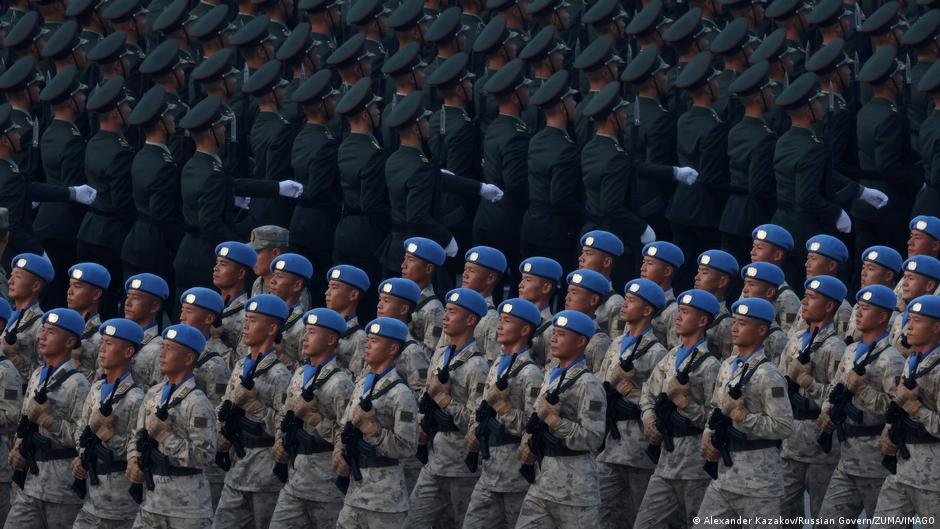
International peacekeeping missions are currently facing a period of profound instability as a confluence of geopolitical friction, diminished troop contributions, and acute funding shortages threatens the viability of long-standing operations. As global security dynamics shift, the frameworks that have historically underpinned multilateral conflict resolution are being stretched to their breaking point, raising urgent questions about the future of global stability and the protection of civilians in volatile regions.
The United Nations, which relies on the voluntary contribution of personnel and financial resources from its 193 Member States, is currently navigating what observers describe as a systemic crisis. The UN Department of Peace Operations coordinates these efforts, yet the ability to sustain these missions depends heavily on the political will of individual nations to provide both the necessary capital and the specialized units required for complex modern environments.
The Structural Challenges Facing Multilateral Security
At the heart of the current crisis is a decline in the availability of troops and police, coupled with an increasingly fragmented international landscape. While the UN continues to operate missions across various continents, the effectiveness of these deployments is contingent upon the alignment of interests among major powers. When diplomatic consensus in the Security Council falters, the operational capacity of peacekeeping missions often suffers, leaving personnel on the ground with constrained mandates and limited resources.
Funding remains a critical pressure point. The UN peacekeeping budget is distinct from the regular budget, determined by a complex formula that accounts for the relative wealth of member nations. However, as documented in the UN Charter, the organization’s reliance on state cooperation means that when major contributors reduce their financial support or withhold payments, the entire mechanism faces significant delays and operational scaling.
Geopolitical Tensions and Operational Risks
The modern battlefield for peacekeepers has evolved significantly from the traditional “blue helmet” monitoring roles of the 20th century. Today, missions are frequently deployed into environments where there is no peace to keep, facing non-state actors, improvised explosive devices, and sophisticated disinformation campaigns. These factors necessitate higher levels of training, advanced technology, and increased funding—precisely the areas currently under strain.
the rise of regional security arrangements has, in some instances, diverted attention and resources away from UN-led initiatives. As nations prioritize their own strategic interests or form smaller, more focused security alliances, the broad-based, universal approach of the UN is being challenged. This shift risks creating a vacuum in regions where multilateral oversight is the only internationally recognized mechanism for protecting human rights and facilitating political transitions.
What Happens Next: Accountability and Reform
The question of how to revitalize international peacekeeping is a central theme in current diplomatic discourse. Reform efforts, such as the “Action for Peacekeeping” (A4P) initiative, aim to refocus missions on political solutions rather than merely managing symptoms of conflict. However, these initiatives require more than policy adjustments; they require a renewed commitment from the international community to provide the consistent support necessary for long-term stability.
The path forward involves a delicate balance of maintaining neutrality while addressing the realities of modern warfare. As the UN continues its efforts to adapt, stakeholders are looking toward upcoming high-level debates within the General Assembly to determine the future funding priorities and mandate structures for the next fiscal period. The UN General Assembly remains the primary venue where these budgetary and operational decisions are finalized through collective member state action.
Key Takeaways for Global Observers
- Resource Constraints: The reliance on voluntary troop and financial contributions leaves missions vulnerable to the domestic political priorities of individual member states.
- Mandate Complexity: Modern peacekeeping requires advanced capabilities to handle asymmetrical threats, which are increasingly difficult to fund and resource.
- Strategic Shifts: The emergence of regional security blocs is changing the landscape of international intervention, potentially sidelining traditional multilateral efforts.
- Reform Imperative: Ongoing initiatives like A4P highlight the need for a shift toward political-led solutions rather than purely reactive security deployments.
As the international community grapples with these developments, the focus will remain on the upcoming budget negotiations and the ongoing review of mission mandates. These sessions are essential for ensuring that the global community does not lose its ability to intervene where it is needed most. We invite our readers to share their perspectives on the evolution of international security and the role of multilateralism in the comments section below. Stay tuned to World Today Journal for further updates as these critical discussions progress.
Related reading