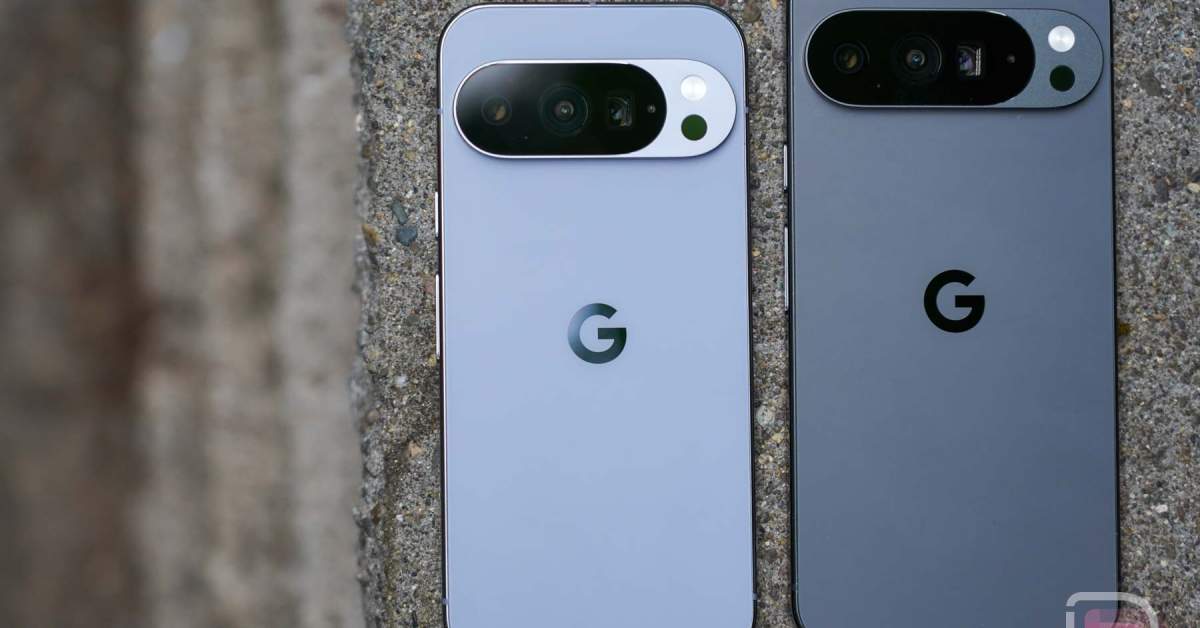
Global smartphone shipments experienced an 11% year-over-year decline in the second quarter of 2026, a downturn largely attributed to ongoing supply chain constraints, specifically a tightening in the global memory chip market. Despite this industry-wide contraction, Google emerged as a notable outlier, recording a 16% increase in shipments during the same period, driven by consistent consumer interest in its Pixel 10 and Pixel 10a device lineups, according to data from Counterpoint Research.
The broader smartphone sector is currently navigating a period of reduced demand and manufacturing friction. While major manufacturers continue to compete for market share, the widespread integration of advanced artificial intelligence features—which require higher-capacity memory components—has exacerbated the existing chip shortages. This technological pivot, aimed at capturing the growing AI-ready mobile market, has placed significant upward pressure on component costs and availability, impacting production volumes for several major brands.
Market Leaders and Performance Gaps
Samsung maintained its position as the global leader in the smartphone market, capturing a 24% market share in Q2 2026 and reporting modest growth despite the challenging economic climate. Apple followed with a 20% market share, achieving a 3% year-over-year increase in its own shipment volumes. These figures, reported by Counterpoint Research, underscore a bifurcated market where established giants are managing to sustain their footing, while other major players face significant headwinds.
In contrast to the growth seen by Samsung and Apple, other prominent manufacturers, including Xiaomi, OPPO, and vivo, reported double-digit declines in shipments for the quarter.
The Google Pixel Growth Trajectory
Google’s 16% growth in smartphone shipments during Q2 2026 highlights a strategic success for the company’s hardware division. By focusing on the Pixel 10 and 10a, Google has managed to secure a niche but growing segment of the market. The company currently distributes its devices in approximately 22 countries, a small fraction of the global footprint held by Apple, which maintains a presence in at least 128 countries, as noted in recent Counterpoint Research market analysis.

The disparity in geographic availability presents a significant barrier to Google reaching the shipment volume levels of Samsung or Apple. Without a broader international footprint, Google’s hardware success remains concentrated, even as it achieves steady gains within its existing operational territories.
Industry Outlook and the AI Component Squeeze
The persistent “RAM crisis” remains the primary concern for hardware manufacturers throughout the remainder of 2026. This industry-wide obsession with AI expansion is effectively cannibalizing the supply chain, leaving less capacity for standard memory modules required for more affordable handsets.
Market observers suggest that this supply imbalance is unlikely to stabilize in the short term.
Please share your thoughts in the comments section below on whether you believe the shift toward AI-heavy hardware is worth the current impact on smartphone availability and pricing.