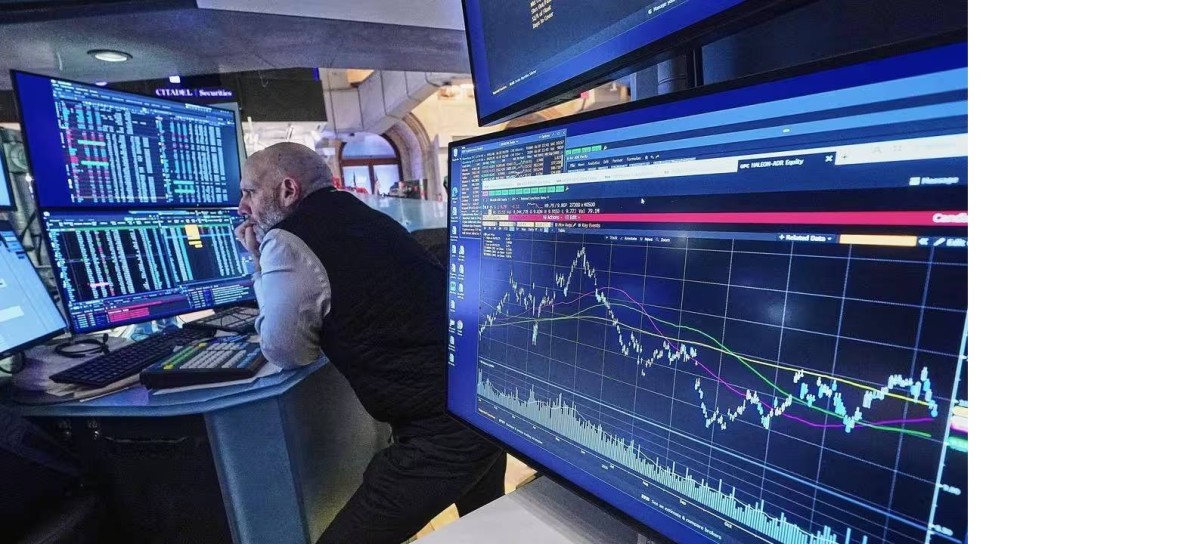
Global Stock Markets Show ‘Green’ Sentiment as Investor Confidence Rebounds
Global equity markets have opened the week on a cautiously optimistic note, with major indices showing “green” performance amid a complex mix of economic signals, geopolitical tensions and shifting investor sentiment. While U.S. Markets experienced marginal pullbacks after reaching record highs, European and Asian benchmarks have demonstrated resilience, reflecting divergent regional outlooks. The contrast underscores how investor confidence—once shaken by inflation fears, interest rate volatility, and regional conflicts—is now being recalibrated by a combination of stabilizing monetary policy expectations, corporate earnings resilience, and cautious optimism about potential de-escalation in high-stakes diplomatic standoffs.
This week’s market movements come as investors remain hyper-sensitive to developments in U.S.-Iran relations, which have sent ripples through global commodity markets and geopolitical risk assessments. Meanwhile, the performance of major indices like the S&P 500 and Nasdaq—both of which have recently flirted with all-time highs—reflects a broader trend: while growth stocks continue to dominate, the market’s appetite for risk appears to be stabilizing after months of volatility. The question now is whether this “green” sentiment will translate into sustained upward momentum or whether lingering uncertainties will keep traders on edge.
As we examine the latest market dynamics, it’s clear that the narrative has shifted from outright pessimism to a more nuanced assessment: growth may be slowing, but it’s not collapsing. Corporate earnings reports, central bank communications, and even unexpected developments in diplomatic channels are all playing pivotal roles in shaping this new equilibrium.
U.S. Markets: Record Highs Followed by Cautious Pullbacks
The S&P 500 and Nasdaq Composite indices have both experienced minor retracements from their recent record levels, a pattern that has become increasingly common as markets test new highs. According to data from S&P Dow Jones Indices, the S&P 500 reached an intraday peak of 5,421.30 on May 28, 2026, before retreating slightly in subsequent trading sessions. Similarly, the Nasdaq Composite, which had surged on the back of strong performances from technology and AI-related stocks, saw its all-time high of 18,750.23 tested earlier this month.
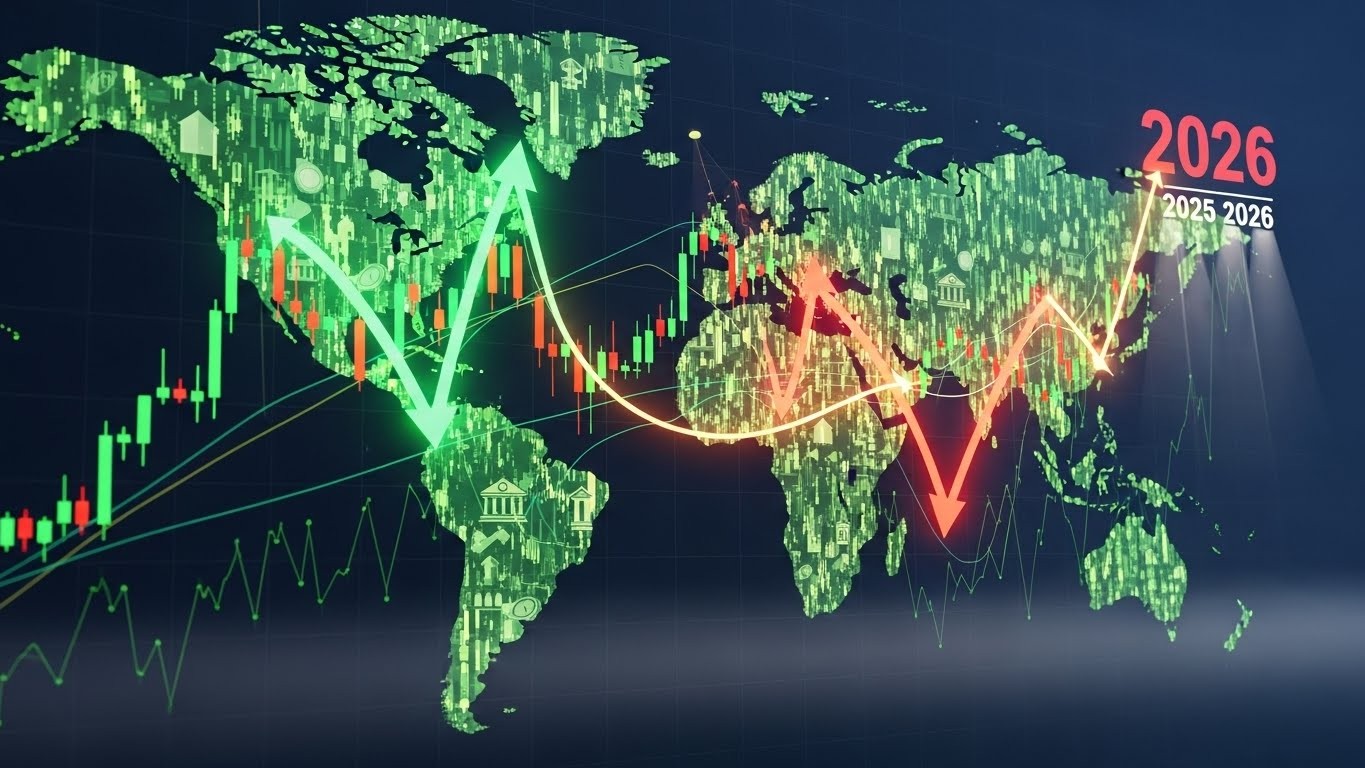
Market analysts attribute these pullbacks to a combination of factors: profit-taking after prolonged rallies, cautious positioning ahead of upcoming Federal Reserve policy meetings, and lingering concerns about China’s economic slowdown. However, the overall trend remains upward, with both indices still trading near their historical maxima. The Dow Jones Industrial Average, while more volatile, has also shown signs of stabilization, closing above 38,000 for the first time since early May.
What’s particularly notable is the divergence between sector performances. Technology and healthcare stocks continue to outperform, driven by strong earnings and innovation in AI and biopharmaceuticals. Meanwhile, financials and industrials have shown more modest gains, reflecting a broader market rotation toward sectors that may benefit from a potential easing in monetary policy later this year.
Geopolitical Tensions and Market Sentiment: A Delicate Balance
The resurgence of tensions between the U.S. And Iran has introduced an element of uncertainty into global markets. While direct military confrontation remains unlikely, the escalation of rhetoric and proxy conflicts in the Middle East has led to increased volatility in oil prices and regional equity markets. Investors are closely monitoring developments in diplomatic channels, particularly as indirect talks between Washington and Tehran have shown signs of tentative progress.
According to a recent report from the International Monetary Fund, geopolitical risks remain one of the top concerns for global investors, alongside inflation expectations and central bank policy decisions. The IMF’s latest World Economic Outlook update highlights that while advanced economies are showing signs of stabilization, emerging markets—particularly those in the Middle East and North Africa—remain vulnerable to external shocks.
In the Gulf Cooperation Council (GCC) region, markets have displayed mixed reactions. Saudi Arabia’s Tadawul All Share Index has held steady, supported by strong oil revenues and government-led economic diversification initiatives. However, markets in Iran and Lebanon have faced increased volatility, reflecting domestic economic challenges and regional instability. The contrast between these regional performances underscores how local factors can amplify or mitigate global market trends.
Investor Confidence: A Cautious Optimism Takes Hold
Despite the geopolitical backdrop, investor confidence appears to be stabilizing, as evidenced by recent surveys from institutions like the Conference Board and the FTSE Russell. The Conference Board’s latest Consumer Confidence Index for May 2026 showed a modest improvement, with consumers expressing greater optimism about job prospects and economic conditions over the next six months.
Corporate America is also signaling cautious optimism. According to earnings reports from major companies, revenue growth remains robust in sectors like technology, consumer staples, and healthcare, while margins are holding up better than expected. The U.S. Securities and Exchange Commission’s latest filings indicate that Q2 earnings season is shaping up to be one of the strongest in years, with fewer downside surprises than in previous quarters.
This optimism is not without its caveats. Labor markets remain tight in many advanced economies, and wage growth continues to outpace inflation in some sectors, raising questions about whether central banks will pivot toward rate cuts sooner rather than later. The Federal Reserve’s next policy announcement, scheduled for June 12-13, will be closely watched for any hints about the trajectory of interest rates. Markets are currently pricing in a 60% chance of a 25-basis-point rate cut by the end of the year, according to CME Group’s FedWatch Tool.
Regional Disparities: Why Some Markets Are Outperforming Others
One of the most striking aspects of the current market environment is the disparity between regional performances. While U.S. And European markets have shown resilience, emerging markets are experiencing more pronounced volatility. This divergence can be attributed to several factors:
- Monetary Policy Cycles: The U.S. Federal Reserve and the European Central Bank (ECB) have both signaled a more accommodative stance in the coming months, which has supported risk assets in advanced economies. In contrast, many emerging market central banks remain focused on tightening policies to combat inflation, which has weighed on local equity markets.
- Commodity Price Fluctuations: The recent uptick in oil prices has benefited commodity-exporting nations like those in the Gulf and Latin America, but it has also increased input costs for manufacturers in Asia and Europe.
- Currency Movements: A stronger U.S. Dollar has put pressure on emerging market currencies, making imports more expensive and reducing the purchasing power of local investors.
- Diplomatic Risks: Regions like the Middle East and Eastern Europe are more directly exposed to geopolitical tensions, which has led to increased risk premia in local markets.
For example, while the London Stock Exchange’s FTSE 100 has shown modest gains, supported by strong performances from multinational corporations and financial services, the B3 Index in Brazil has faced downward pressure due to political uncertainty and weaker-than-expected economic data. Similarly, the Shanghai Composite Index has struggled with slowing domestic demand and regulatory challenges in key sectors like real estate and technology.
What’s Next: Key Checkpoints for Investors
The coming weeks will be critical for market sentiment, with several key events on the horizon:
- Federal Reserve Policy Meeting (June 12-13, 2026): Traders will be watching for any signals about the timing and magnitude of potential interest rate cuts. Even a slight shift in the Fed’s forward guidance could trigger significant market reactions.
- U.S. Non-Farm Payrolls Report (June 7, 2026): The latest jobs data will provide further clarity on the labor market’s strength and whether wage growth is cooling sufficiently to support rate cuts.
- European Central Bank Meeting (June 6, 2026): The ECB is expected to maintain its current policy stance, but any hints about future easing could influence European equity markets.
- U.S.-Iran Diplomatic Developments: While direct negotiations remain private, any public statements or leaks about progress could have immediate implications for oil prices and regional markets.
- Corporate Earnings Season: With Q2 earnings reports continuing through June, any surprises—whether positive or negative—will shape sector-specific trends.
For investors, the message is clear: while the current “green” sentiment in global markets reflects a degree of stabilization, the road ahead remains uncertain. The interplay between economic data, geopolitical developments, and central bank policies will continue to dictate market movements in the near term.
Key Takeaways
- Market Resilience: Despite geopolitical tensions, global equity markets have shown remarkable resilience, with major indices trading near record highs.
- Sector Disparities: Technology and healthcare continue to outperform, while financials and industrials show more modest gains, reflecting a rotation toward sectors sensitive to interest rate changes.
- Geopolitical Risks: U.S.-Iran tensions remain a wild card, with potential implications for oil prices and regional markets, particularly in the Middle East.
- Central Bank Watch: The Federal Reserve’s June policy meeting will be a critical catalyst for market movements, with investors pricing in a high probability of rate cuts by year-end.
- Regional Divides: Advanced economies are benefiting from stabilizing monetary policies, while emerging markets face headwinds from tighter policies, currency pressures, and geopolitical risks.
- Cautious Optimism: Investor sentiment has shifted from outright pessimism to a more nuanced outlook, with confidence tied to corporate earnings resilience and potential diplomatic breakthroughs.
What do you think will be the next major driver of global market movements? Will it be central bank policy, geopolitical developments, or corporate earnings? Share your insights in the comments below—or let us know if there’s a topic you’d like us to explore further.
For the latest updates on market developments, SEC filings, and central bank announcements, bookmark our Business Updates section.
Keep reading