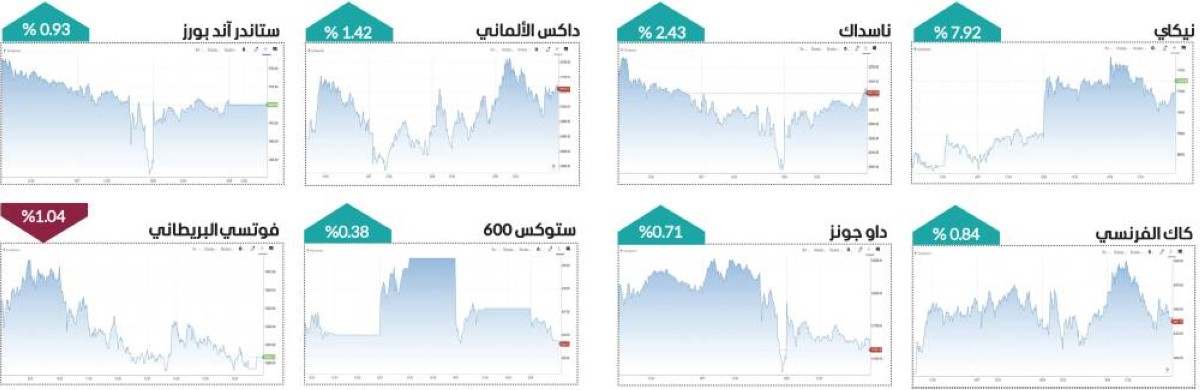
Global equity markets are experiencing a period of heightened volatility as investors weigh the potential for a diplomatic breakthrough between the United States and Iran against persistent geopolitical risks. While some regional indices have shown resilience, others remain cautious, reflecting the sensitivity of international trade and energy prices to the fluctuating status of these high-stakes negotiations.
According to market data, the reaction across major exchanges has been fragmented. Traders are parsing conflicting signals regarding the stability of diplomatic channels, which directly influences sentiment in energy-intensive sectors and broader index futures. As noted by analysts at the International Monetary Fund, geopolitical uncertainty remains a primary driver of market fluctuations, often leading to rapid reallocations of capital away from risk-sensitive assets.
Market Sentiment and Geopolitical Tensions
The recent oscillation in global stock performance is largely tied to evolving reports on the status of talks between Washington and Tehran. Financial analysts observe that when prospects for a resolution appear to improve, indices often trend upward—a phenomenon frequently referred to as a “relief rally”—as markets anticipate a potential reduction in regional conflict and a stabilization of oil supply chains. Conversely, news of stalled discussions or diplomatic friction tends to trigger defensive positioning among institutional investors.
Data from the Reuters financial news desk highlights that European and Asian markets have shown distinct caution in recent trading sessions. This hesitation is attributed to the direct exposure of these regions to energy price shocks. When diplomatic talks falter, the immediate impact is often felt in the energy sector, where companies adjust their valuations based on the perceived risk of supply chain disruptions in the Middle East.
Analysis of Regional Performance
The divergence in market performance is not uniform. In North America, some futures contracts have indicated a positive bias, reflecting optimism that a diplomatic path might mitigate long-term economic instability. However, this optimism is tempered by the reality that geopolitical agreements are complex and subject to sudden shifts.
European exchanges, which are particularly sensitive to shifts in global energy policy, have exhibited a more pronounced “wait-and-see” approach. According to reports from the Financial Times, investors in these markets are prioritizing liquidity over speculative growth, waiting for more concrete evidence of a sustainable framework before committing to long-term positions. This cautious stance underscores a broader trend of risk management that has become standard in the current macroeconomic environment.
Why Geopolitical Developments Matter to Investors
For the average investor, these market movements serve as a reminder of the interconnected nature of global finance. Geopolitical events act as a “multiplier” for existing economic concerns, such as inflation and interest rate policy. When tension between major powers escalates, the uncertainty creates a premium on safe-haven assets, such as gold or government bonds, while equities—particularly in emerging markets—may see increased selling pressure.
The World Bank has consistently emphasized that geopolitical stability is a prerequisite for sustained global economic growth. When diplomatic channels are perceived as ineffective, the resulting lack of clarity prevents businesses from making long-term capital investments, which in turn slows the velocity of economic expansion. Investors are currently monitoring updates from official government sources for any indication that a substantive agreement is imminent.
Current Outlook and Monitoring
As the situation remains fluid, market participants are advised to monitor official statements from the U.S. Department of State and international diplomatic bodies for verified updates on the status of negotiations. Relying on official communiqués is essential, as speculative reporting can lead to unnecessary market volatility.
The next critical checkpoint for investors will be the upcoming scheduled press briefings and any official announcements regarding the status of nuclear or regional security talks. Until a formal, verifiable agreement is reached, analysts expect market volatility to persist. Investors seeking to mitigate risk are often encouraged by financial advisors to focus on long-term portfolio diversification rather than short-term reactions to geopolitical headlines.
We invite our readers to share their analysis of how these geopolitical shifts are impacting their regional markets in the comments section below.
Related reading