
For decades, the global health narrative was dominated by the fight against infectious diseases, malnutrition, and the rising tide of non-communicable conditions like cardiovascular disease and diabetes. However, a profound and quieter shift is occurring in the landscape of human suffering. The most significant burden on global health is no longer solely found in the physical body, but in the complexities of the human mind.
Recent large-scale longitudinal analyses of global health data indicate that mental health disorders have emerged as a primary driver of disability worldwide. This shift is not merely a statistical curiosity; it represents a fundamental change in how we must approach public health, economic stability, and social policy. As we move further into the post-pandemic era, the scale of this crisis is becoming increasingly clear, revealing a world struggling to cope with the psychological fallout of global instability.
The data suggests a startling reality: mental health conditions are now among the leading causes of years lived with disability (YLDs) globally. Unlike acute illnesses that may have a definitive beginning and end, mental health disorders often manifest as chronic, long-term challenges that fundamentally alter an individual’s ability to work, learn, and participate in community life. This “invisible” disability is reshaping the global workforce and placing unprecedented pressure on healthcare systems that were largely designed to treat physical trauma and infection.
The Statistical Shift: From Physical to Psychological Burdens
To understand the magnitude of this crisis, one must look at how health experts measure the “burden” of a disease. The most common metric used by organizations like the World Health Organization (WHO) is the Disability-Adjusted Life Year (DALY). A DALY represents the number of years lost due to ill-health, disability, or early death. While physical ailments like heart disease often contribute significantly to years of life lost (YLL) due to premature mortality, mental health disorders contribute overwhelmingly to the YLD component.
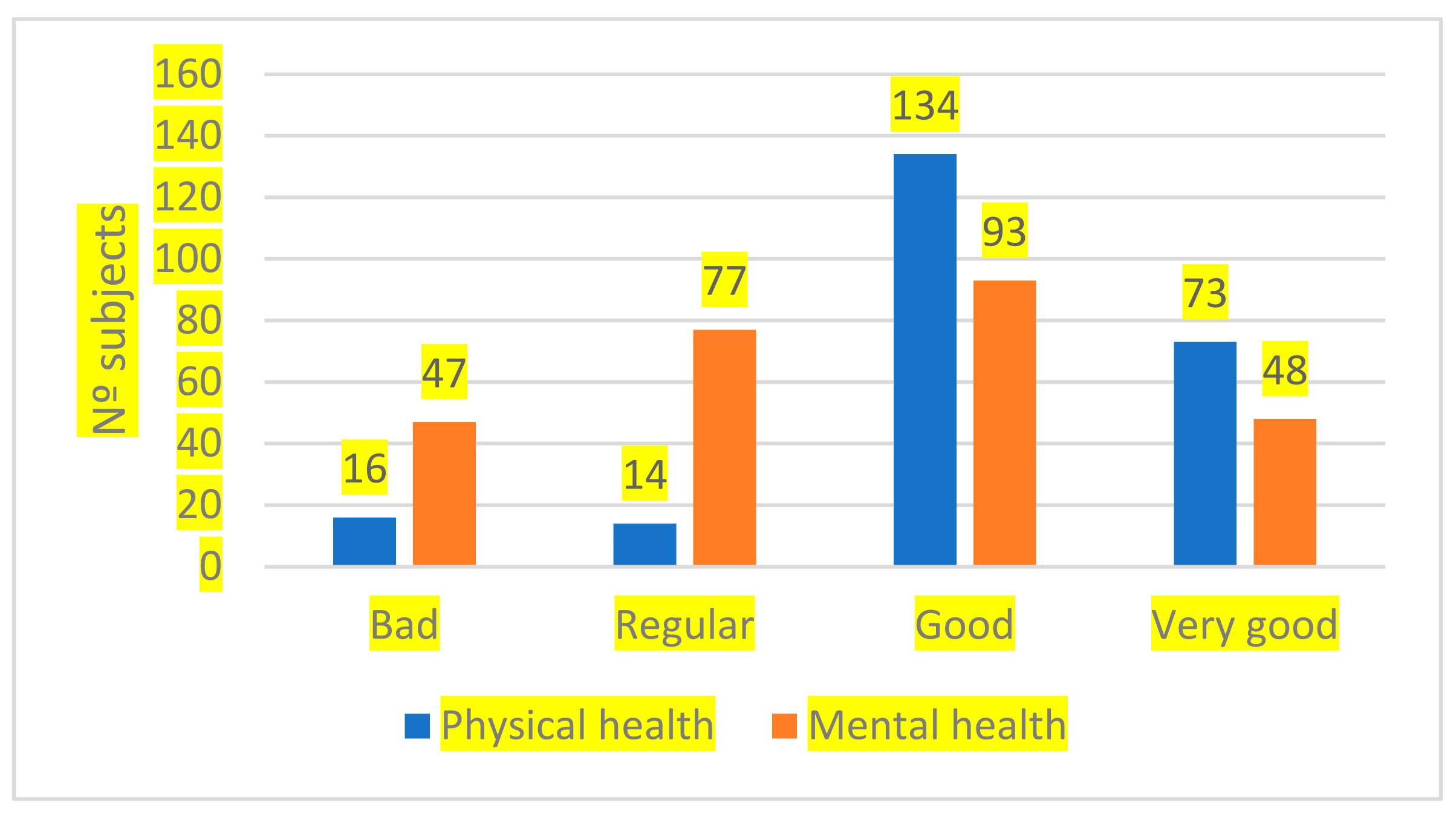
Recent global analyses, which have synthesized data from hundreds of countries, highlight a significant upward trend in the prevalence of these conditions. Specifically, the rates of major depressive disorder and anxiety disorders have seen a marked increase, particularly in the wake of the COVID-19 pandemic. Some research models suggest that the prevalence of major depressive disorder saw an increase in the range of 24% to 25% during the initial years of the global health crisis, a figure that underscores the devastating psychological impact of isolation, fear, and economic instability.
This surge is not distributed evenly across the globe. While high-income nations report higher rates of diagnosis—often attributed to better screening and reduced stigma—the actual burden of untreated mental illness is disproportionately heavy in low- and middle-income countries. In these regions, the lack of specialized mental health professionals and the scarcity of essential psychotropic medications mean that a mental health diagnosis often leads directly to long-term disability without any path toward recovery.
The Pandemic Catalyst: A Turning Point for Global Mental Health
It is impossible to discuss the current state of mental health without addressing the role of the COVID-19 pandemic. While the virus itself caused physical devastation, the social and structural disruptions it triggered acted as a massive accelerant for psychological distress. The pandemic was a “perfect storm” of stressors: the loss of loved ones, the erosion of economic security, the breakdown of social support networks, and the constant state of heightened physiological arousal caused by global uncertainty.
The Lancet Psychiatry and other leading medical journals have documented how the pandemic fundamentally altered the trajectory of mental health trends. The sudden shift to remote working and learning, the disruption of educational milestones for youth, and the prolonged periods of social isolation created a “secondary pandemic” of mental health challenges. For many, these were not temporary bouts of stress but the onset of clinical-grade depression and anxiety that have persisted long after lockdowns were lifted.
the pandemic highlighted the fragility of our existing mental health infrastructure. As healthcare systems were redirected to manage acute COVID-19 cases, routine mental health services were often suspended or severely limited. This disruption meant that many individuals who were already managing chronic mental health conditions experienced significant relapses, further compounding the global disability statistics.
Key Drivers of the Mental Health Crisis
- Economic Instability: The correlation between financial insecurity and mental health is well-documented; poverty is both a cause and a consequence of mental illness.
- Social Isolation: The erosion of traditional community structures and the rise of digital-only interactions have contributed to a sense of profound loneliness.
- Environmental Stressors: Increasing climate instability and the resulting “eco-anxiety” are emerging as significant contributors to psychological distress among younger populations.
- Digital Overload: The constant influx of information and the social comparison inherent in digital platforms have been linked to rising rates of anxiety and body dysmorphia.
The Economic Ripple Effect: The Cost of Inaction
The transition of mental health from a private struggle to a public economic crisis is perhaps the most pressing argument for urgent policy intervention. When mental health disorders become a leading cause of disability, the impact moves from the individual to the national economy. The loss of productivity, often referred to as “presenteeism” (being at work but unable to function effectively) and “absenteeism” (missing work entirely), costs the global economy trillions of dollars annually.
A study by the World Economic Forum has previously estimated that the global economy could lose approximately $16 trillion by 2030 due to depression and anxiety if significant interventions are not implemented. This is not merely a loss of output; it is a systemic drain on healthcare budgets, social security systems, and family resources. When a breadwinner is sidelined by a major depressive episode, the resulting economic instability can trigger a cycle of poverty that affects subsequent generations.
the “disability” aspect of mental health creates a complex challenge for social safety nets. Traditional disability frameworks are often built around visible, physical impairments. Proving “disability” for a condition as subjective as clinical depression or generalized anxiety disorder can be an arduous, bureaucratic, and often stigmatizing process for patients, frequently leaving them without the support they desperately need during their most vulnerable moments.
Bridging the Gap: Policy, Innovation, and the Path Forward
Addressing a crisis of this scale requires more than just increased funding; it requires a fundamental reimagining of how mental health is integrated into the fabric of society. We must move away from a reactive model—treating crisis after it occurs—toward a proactive, preventative model of care.
1. Integration into Primary Care: One of the most effective ways to expand access is to integrate mental health services into primary healthcare settings. When a patient visits a GP for physical ailments, there should be seamless, routine screening for mental health concerns. This reduces stigma and ensures that psychological issues are caught before they escalate into long-term disabilities.
2. Scaling Digital Mental Health Solutions: While digital interventions cannot replace human connection, they offer a vital tool for reaching underserved populations. Teletherapy, evidence-based mental health apps, and digital monitoring tools can bridge the gap in regions where there is a severe shortage of trained psychiatrists and psychologists.
3. Workforce Development: There is a global shortage of mental health professionals. Governments must invest in training and retaining a diverse workforce, including community health workers who can provide culturally competent care in non-clinical settings.
4. Destigmatization through Education: Public health campaigns must continue to frame mental health as a standard component of overall health. Reducing the social cost of seeking help is essential to improving early intervention rates.
FAQ: Understanding the Mental Health Landscape
| Question | Answer |
|---|---|
| What is the difference between YLL and YLD? | YLL (Years of Life Lost) measures premature death, while YLD (Years Lived with Disability) measures the time spent in a state of less-than-full health. |
| Why is mental health considered a “disability”? | Because severe mental health conditions can impair cognitive, emotional, and social functions to the point that an individual cannot perform daily tasks or work. |
| How did COVID-19 impact these rates? | The pandemic increased stress, isolation, and economic hardship, leading to a significant spike in anxiety and depression globally. |
| Is this a new phenomenon? | While mental health issues have always existed, the scale of disability and the recent surge in prevalence are unprecedented in modern medical history. |
As we look to the future, the metrics of a successful healthcare system must evolve. A nation’s health can no longer be measured solely by its ability to manage infectious outbreaks or physical trauma; it must also be measured by its ability to support the psychological resilience of its citizens. The “invisible epidemic” is here, and our response will define the public health landscape for the next generation.
The next major milestone for global health policy will be the upcoming review of the WHO’s Mental Health Gap Action Programme (mhGAP) implementation reports, which will provide updated data on how countries are meeting their mental health commitments.
What are your thoughts on the shift toward mental health as a primary driver of global disability? Should governments prioritize mental health funding as much as physical health? Join the conversation in the comments below and share this article to raise awareness.
Related reading