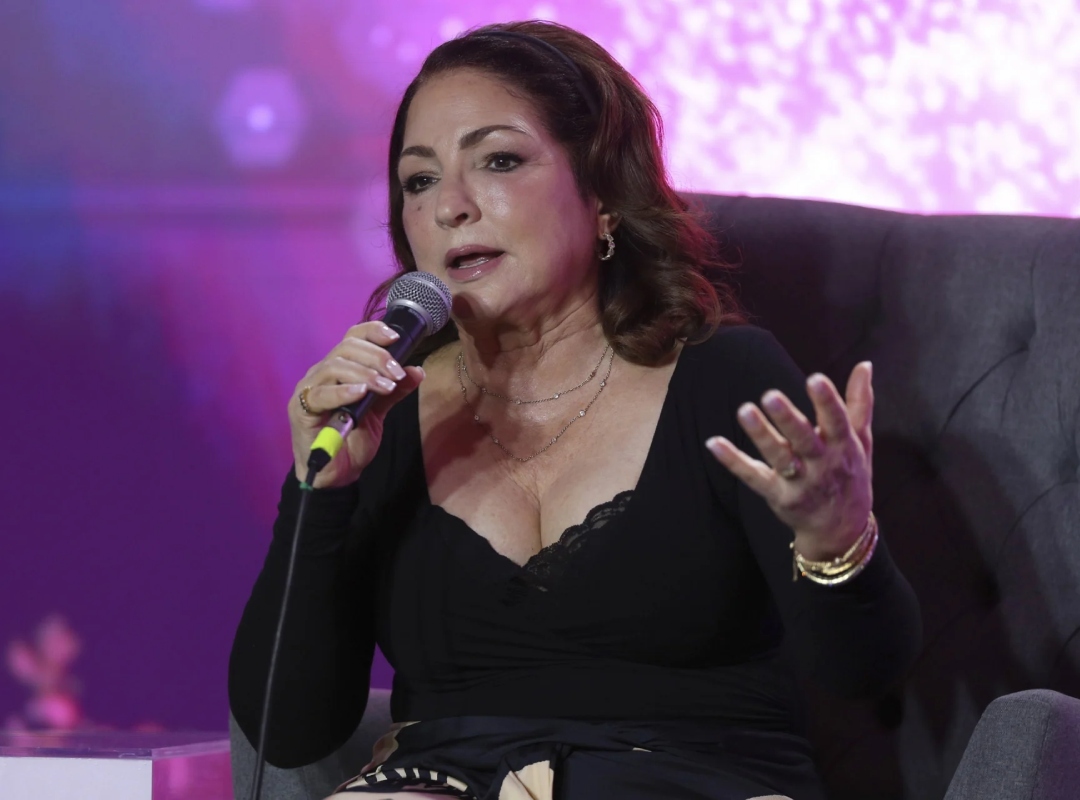
Viña del Mar, Chile – As the curtain rose on the 65th International Song Festival of Viña del Mar on Sunday, February 22, 2026, Cuban-American music icon Gloria Estefan delivered a powerful message extending beyond the stage. The celebrated singer, opening the prestigious event, voiced her opinion that the current petroleum blockade against Cuba is not an effective strategy for regime change, asserting that the most significant hardships resulting from the sanctions are borne by the Cuban people themselves. This statement comes amidst a complex geopolitical landscape and escalating concerns over the humanitarian impact of restricted oil supplies to the island nation.
Estefan’s remarks, made during an interview with EFE, reflect a long-held concern for the well-being of Cubans, a sentiment rooted in her own family’s history and experiences with the political upheaval of the Cuban Revolution. Her comments also touch upon the broader issue of migration and the challenges faced by Latin American communities in the United States, a topic she addressed with considerable passion. The singer’s presence at the festival, a return after 44 years, carries particular weight, offering a platform to discuss issues often overshadowed by the spectacle of the event. The situation in Cuba, she argued, is increasingly dire, reminiscent of the “Periodo Especial” – the severe economic depression following the collapse of the Soviet Union in the early 1990s.
The Impact of the Oil Blockade on Cuba
The current restrictions on petroleum shipments to Cuba, initiated under the administration of former U.S. President Donald Trump, aim to cripple the Cuban government by limiting its access to vital resources. However, Estefan contends that these measures are ultimately counterproductive, inflicting suffering on ordinary citizens. “The blockade that has been created now is because there is no oil entering from Venezuela and it has made things very difficult for Cubans,” she stated, as reported by EFE. “I think, ‘My God… What about ambulances? How can people get to work? There is no electricity, This proves dark, they cannot cook, the food goes bad… It breaks my heart.’”
The cessation of Venezuelan oil shipments, once a crucial lifeline for Cuba, has exacerbated existing economic vulnerabilities. Venezuela, under the leadership of Hugo Chávez and later Nicolás Maduro, had provided Cuba with preferential oil deals for years, a relationship built on political alignment. The decline in Venezuelan oil production, coupled with U.S. Sanctions targeting Venezuelan oil exports, has significantly reduced Cuba’s access to this critical resource. According to a report by the U.S. Energy Information Administration in 2023, Venezuela’s oil production had fallen to its lowest level in over 70 years, impacting its ability to fulfill its commitments to Cuba. U.S. Energy Information Administration – Cuba
Estefan emphasized that genuine change in Cuba must come from within, driven by the Cuban people themselves. “I don’t think this is a way to overthrow any regime,” she said. “But it has to come from the Cuban people, that they say, ‘Enough is enough, we don’t want any more.’ And that is difficult, because every time something happens, young people are taken to prison.” This observation highlights the ongoing repression of dissent within Cuba, a concern echoed by human rights organizations such as Amnesty International and Human Rights Watch. Human Rights Watch – Cuba
Cuba’s Economic Challenges and International Relations
The current economic crisis in Cuba is multifaceted, stemming from a combination of factors including the U.S. Embargo, the decline in Venezuelan oil shipments, the COVID-19 pandemic, and internal economic mismanagement. The embargo, initially imposed in 1962 in response to the Cuban Revolution and the nationalization of U.S. Assets, remains a significant obstacle to Cuba’s economic development. While there have been periods of easing and tightening of the embargo over the years, it remains largely in place. The U.S. State Department maintains a comprehensive list of sanctions against Cuba, outlining the restrictions on trade, travel, and financial transactions. U.S. Department of State – Cuba
Despite the challenges, Cuba continues to seek economic support from various sources. Estefan noted that Cuba purchases support from the United States and other countries, but often struggles to meet its financial obligations. “Cuba still buys support from the United States. It buys from many countries, but Cuba doesn’t pay well. So businesses are cut off. But Cuba receives humanitarian aid. Sometimes they say ‘No, we don’t want it’ so that the people prove that they are not accepting help from anyone,” she explained. This complex dynamic underscores the Cuban government’s delicate balancing act between seeking international assistance and maintaining its political independence.
The Situation for Cuban Citizens
The lack of access to essential resources, including fuel, has had a cascading effect on daily life in Cuba. Shortages of electricity are common, leading to widespread blackouts that disrupt businesses, schools, and hospitals. Transportation is severely limited, making it difficult for people to commute to work or access essential services. Food shortages are also prevalent, with long lines forming at stores and many Cubans struggling to afford basic necessities. These conditions have fueled growing discontent among the population, leading to sporadic protests and calls for political change.
The economic hardship is compounded by the ongoing political repression. Human rights organizations report that the Cuban government continues to suppress dissent, arresting and imprisoning activists, journalists, and opposition leaders. Freedom of expression is severely restricted, and independent media outlets are routinely harassed and shut down. These actions further stifle any potential for internal reform and contribute to the cycle of economic and political stagnation.
Estefan’s Concerns Regarding Migrant Treatment in the U.S.
Beyond the situation in Cuba, Estefan also addressed the treatment of Latin American migrants in the United States, expressing concern over the policies of the U.S. Immigration and Customs Enforcement (ICE). She referenced reports of “horrendous things” happening, including deaths of migrants during ICE operations. She drew a parallel to the lessons she learned studying the Holocaust in university, stating, “The message I took away from that class was that silence is the greatest danger. When you observe something that is not right, something bad, something immoral, something that goes against the values and love of being a human being, you have to speak up and say, ‘I don’t want this, we cannot tolerate this.’”
The ICE agency has faced criticism for its aggressive enforcement tactics, including raids and detentions that have separated families and led to allegations of abuse. In recent years, there have been increased calls for immigration reform and a more humane approach to border security. The American Civil Liberties Union (ACLU) has been a vocal critic of ICE’s policies, arguing that they violate the rights of migrants and undermine due process. American Civil Liberties Union – Immigrants’ Rights
A Triumphant Return to Viña del Mar
Estefan’s performance at the Viña del Mar festival marked a significant moment in her career, a return to the stage where she first captivated audiences 44 years ago. She described the experience as nerve-wracking, recalling that it was one of only two times in her life that her legs trembled with anxiety. Her goal, she stated, was to bring joy and entertainment to the audience, offering a respite from their daily struggles. “The greatest reward for me would be for that audience to exit having fun, enjoying, dancing, and having had a nice night, forgetting their problems for a moment,” she said.
The Festival Internacional de la Canción de Viña del Mar is one of the most important music events in Latin America, attracting millions of viewers and showcasing a diverse range of artists. Estefan’s opening performance set the tone for the festival, promising a night of music, celebration, and reflection. Following her performance, Chilean comedian Stefan Kramer and Italian singer Matteo Bocelli were scheduled to take the stage, continuing the tradition of showcasing both established and emerging talent.
As the festival unfolds, the issues raised by Gloria Estefan – the plight of the Cuban people, the challenges faced by Latin American migrants, and the importance of speaking out against injustice – will undoubtedly resonate with audiences both in Viña del Mar and around the world. The ongoing situation in Cuba remains a complex and sensitive issue, with no straightforward solutions in sight. Further developments are expected as the U.S. Continues to evaluate its policy towards Cuba and as the Cuban government navigates its economic and political challenges.
Key Takeaways:
- Gloria Estefan believes the oil blockade against Cuba is harming the Cuban people, not the regime.
- The current economic crisis in Cuba is fueled by the U.S. Embargo, the decline in Venezuelan oil shipments, and internal economic issues.
- Estefan expressed concern over the treatment of Latin American migrants in the United States and the actions of ICE.
- Her return to the Viña del Mar festival after 44 years was a significant moment in her career.
- The situation in Cuba requires a solution driven by the Cuban people themselves, according to Estefan.
The situation in Cuba continues to evolve, and further updates on U.S. Policy and the island’s economic conditions are expected in the coming months. Stay informed by following reputable news sources and organizations dedicated to human rights and international affairs. We encourage you to share your thoughts and perspectives on this important issue in the comments below.
Keep reading