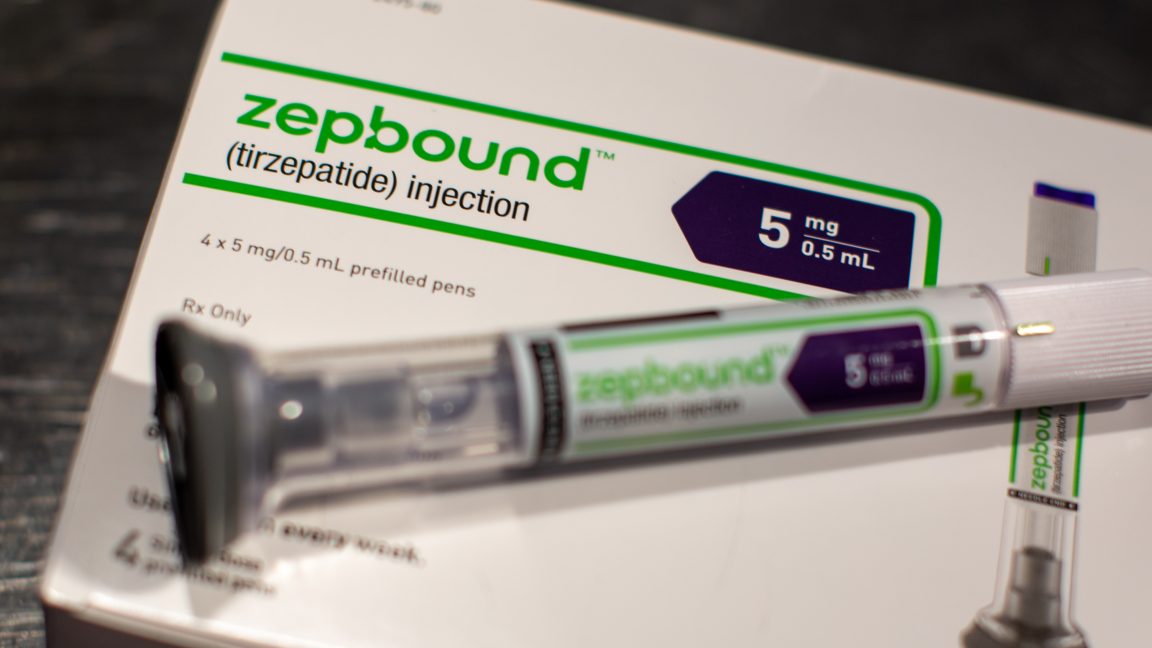
The Reality of stopping Weight Loss drugs: what Happens When You come Off Tirzepatide?
The promise of meaningful weight loss with medications like tirzepatide (Mounjaro) has been revolutionary for many. But what happens when you stop taking these drugs? A recent study, published in November 2023, offers a sobering look at the potential for weight regain and the implications for long-term health. This article dives deep into the findings, explores potential strategies for managing discontinuation, and provides a realistic outlook for individuals considering or currently using anti-obesity medications.
The Study: A Significant Reversal of Benefits
Researchers followed 308 individuals who had achieved weight loss while on tirzepatide.The results were stark: a ample majority experienced significant weight regain after stopping the medication.Specifically:
* 82% of participants regained at least 25% of their lost weight by week 88.
* 57% regained at least 50% of their lost weight.
* 24% regained at least 75% of their lost weight.
crucially, the study revealed a concerning trend: as weight returned, improvements in cardiovascular and metabolic health began to reverse. This underscores that the benefits of these medications aren’t solely tied to weight loss, but also to the metabolic changes they induce.
Why is Weight Regain So Common? Understanding the biology
Tirzepatide, a dual GLP-1 and GIP receptor agonist, works by mimicking natural hormones that regulate appetite and glucose metabolism. It impacts several key areas:
* Increased Satiety: The drug promotes feelings of fullness, leading to reduced calorie intake.
* Delayed Gastric Emptying: Food stays in the stomach longer, further contributing to satiety.
* Improved Insulin Sensitivity: Helps the body use insulin more effectively, lowering blood sugar levels.
* Brain Reward Pathways: Emerging research suggests GLP-1 agonists may influence brain regions involved in reward and cravings, reducing the psychological drive to eat.
When the medication is stopped, these effects diminish, and the body often reverts to its previous hormonal and metabolic state. This makes maintaining weight loss incredibly challenging without ongoing pharmaceutical support.
The Outliers: why Some Fare Better
Interestingly, around 17.5% of participants (54 individuals) didn’t experience substantial weight regain (less than 25%). A small group - 4% – continued to lose weight after stopping the drug. Researchers were unable to identify any clear demographic or clinical factors that predicted this outcome. This highlights the complex and individualized nature of metabolic responses. Further research is desperately needed to understand why some individuals are able to maintain their weight loss more successfully.
What About Weaning Off? Exploring Potential ”Off-Ramps”
The study involved an abrupt cessation of tirzepatide.Experts, including Dr. Kevin Oczypok and Dr. Fatima Anderson (who commented on the study), emphasize that this scenario may not reflect real-world experiences. Many patients will likely want to explore a gradual weaning process, reducing dosage over time.
Though, data on the effectiveness of tapering is currently limited.There’s no established protocol for safely and effectively weaning off these medications. Moreover, abrupt loss of access due to insurance changes or financial constraints remains a significant concern, making a controlled taper unfeasible for some.
Strategies to Consider (Alongside Medical Supervision)
While research is ongoing, here are potential strategies to explore in conjunction with your healthcare provider:
* Lifestyle Optimization: Prior to and during any weaning attempt, aggressively focus on lifestyle modifications:
* Increased Physical Activity: Aim for at least 150 minutes of moderate-intensity or 75 minutes of vigorous-intensity aerobic exercise per week, plus strength training.
* Calorie Restriction: Work with a registered dietitian to develop a enduring, calorie-controlled eating plan.
* Mindful Eating: Practice mindful eating techniques to increase awareness of hunger and fullness cues.
* Behavioral Therapy: Cognitive Behavioral Therapy (CBT) can help address underlying emotional and psychological factors contributing to overeating.
* Combined Approach: Simultaneously increasing physical activity and reducing caloric intake may offer a more prosperous transition.
The Importance of Fat Mass Regain
Recent research adds another layer of complexity. Studies suggest that weight regained after intentional weight loss may be disproportionately composed of fat mass. This is notably concerning,as visceral fat (fat around the abdominal organs) is strongly linked to increased risk of cardiovascular disease,type 2 diabetes,and other health problems.
Keep reading