Navigating GLP-1 Medications and Pregnancy: What You Need to Know
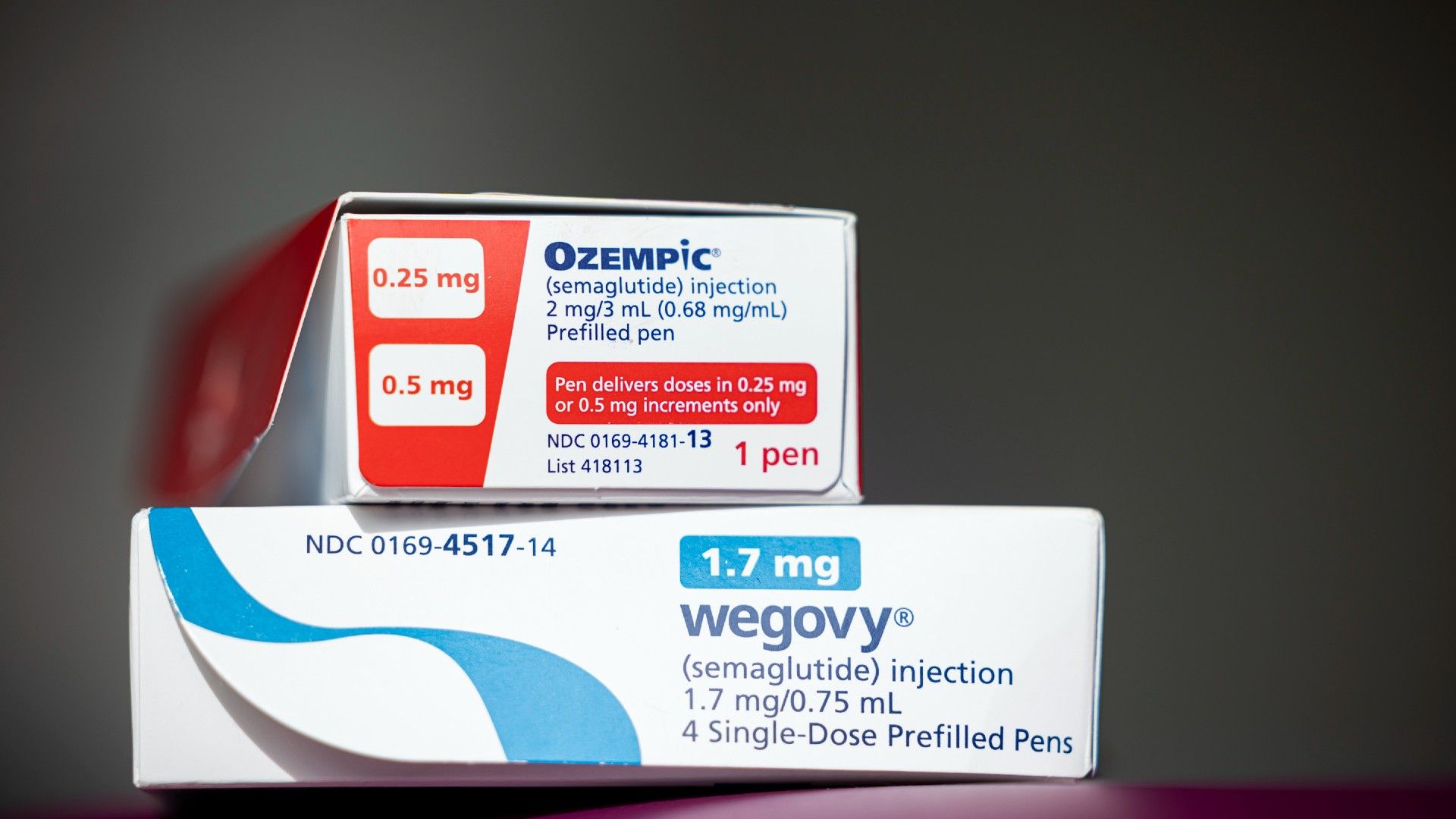
Recent research is shedding light on the potential connection between GLP-1 receptor agonist medications - often used for weight loss and diabetes management - and pregnancy outcomes. Understanding these findings is crucial if you are considering conception while on, or planning to start, these medications.
Here’s a breakdown of what the latest studies reveal and what it means for your reproductive health:
The Emerging Picture: GLP-1s and Hypertensive Disorders
Several studies have previously suggested a possible link between GLP-1 use and a reduced risk of hypertensive disorders of pregnancy (like preeclampsia). though, new data indicates this might be more nuanced than initially thought.
It appears earlier research included a larger percentage of individuals prescribed GLP-1s primarily for diabetes. The most recent study focused on individuals using these medications specifically for obesity, presenting a diffrent scenario.
The Challenge of Pre-Treatment BMI Data
Comparing GLP-1 users to those who haven’t used the medications is a common research approach. Researchers typically compare them to women with similar body mass indexes (BMIs) at the start of pregnancy.
Unfortunatly, complete data on patients’ BMIs before starting GLP-1s is often limited. Linking this pre-treatment BMI facts to prescription records and pregnancy outcomes presents a significant challenge for researchers.
Why More Research is Essential
Currently, there’s a lack of clear clinical guidance regarding the use of GLP-1s before conception. This gap in knowlege underscores the urgent need for further investigation.
The recently published research represents a step toward filling this void, but more studies are vital to fully understand the benefits and potential risks of these medications for individuals planning a family. It is critical to generate the evidence needed to inform both obstetric care and treatment decisions.
A Shift in Research Focus
Historically, clinical trials for GLP-1s excluded individuals who expressed intentions of becoming pregnant. However, many people are using these medications while trying to conceive.
This real-world usage is driving a necessary shift in research. Scientists are now actively advocating for the inclusion of these previously underrepresented groups in future studies.
Crucial Disclaimer: This information is intended for general knowledge and informational purposes only, and does not constitute medical advice. It is indeed essential to consult with a qualified healthcare professional for any health concerns or before making any decisions related to your health or treatment.
Keep reading