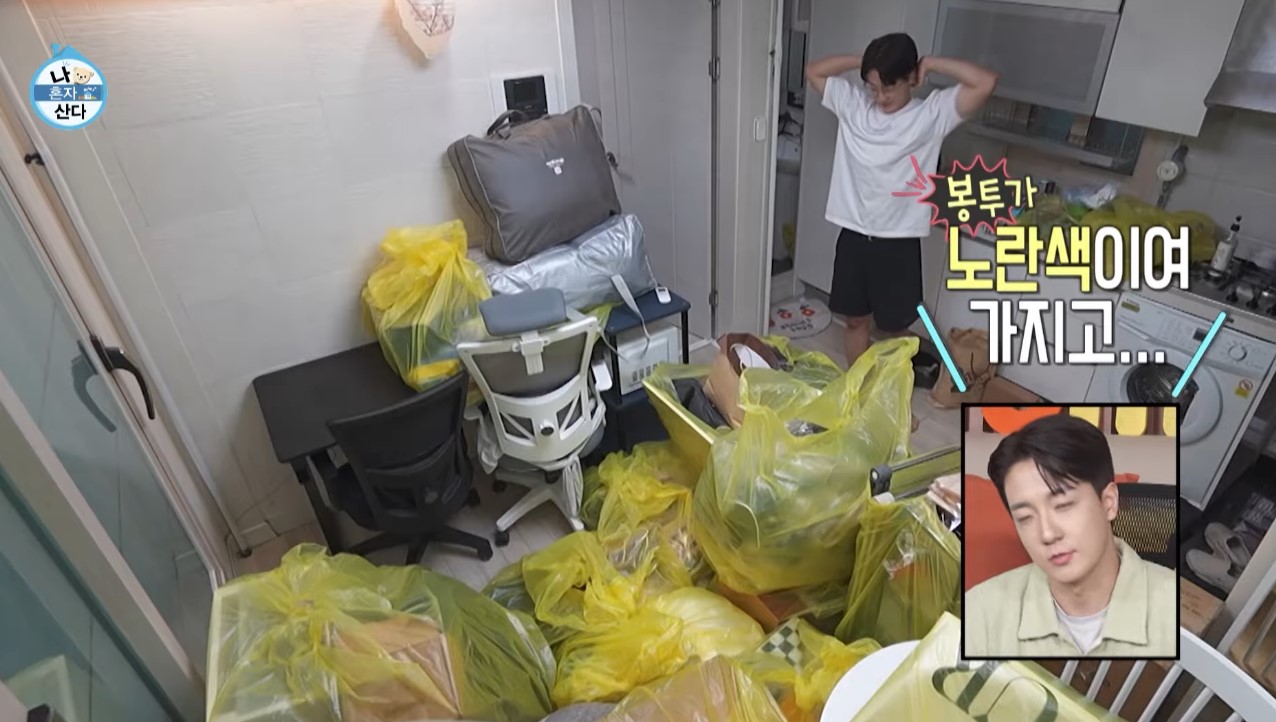
South Korean broadcaster Ko Kang-yong has transitioned to a new 1.5-room residence, marking the end of a two-year tenure in his previous studio apartment. The move, documented during his recent appearance on the popular variety program I Live Alone, highlights the financial adjustments required for his relocation to a high-demand transit-oriented area in Seoul.
The transition involved significant financial commitment, with Ko confirming he secured a 120 million KRW loan to facilitate the move. According to reports from Money Today, the financial burden includes monthly interest payments of approximately 900,000 KRW, prompting the broadcaster to adopt a stricter personal budget to manage his increased living expenses.
Understanding the Financial Shift
The decision to move into a “semi-jeonse” or partial-deposit arrangement reflects the broader challenges of the current South Korean housing market, where individuals often rely on credit to secure proximity to key transport hubs. By opting for a 1.5-room unit—a floor plan that typically includes a bedroom and a separate living space—Ko sought to improve his living conditions despite the resulting debt.
Financial analysts note that debt-to-income ratios remain a critical factor for single-person households in urban centers. As reported by Newsis, the logistical reality of the move was complicated by the sheer volume of personal belongings the broadcaster had accumulated over his two years in the previous studio, leading to a crowded living environment upon his arrival at the new property.
Logistical Challenges of Urban Relocation
Beyond the financial implications, the relocation process provided viewers with a look at the realities of moving in a densely populated city. The broadcaster’s experience with “짐더미” (piles of luggage) underscored a common struggle for residents moving between smaller living spaces: the difficulty of optimizing storage in limited square footage.
According to updates from The Chosun Ilbo, the transition was not without its “unexpected” hurdles, specifically regarding the organization and management of household items in the new 1.5-room layout. This narrative of a “fresh start” tempered by the immediate pressure of managing debt and physical clutter resonated with the audience of I Live Alone, a program known for its candid portrayal of the daily lives of public figures.
What This Means for Single-Person Households
The broadcaster’s transparency regarding his loan interest and the logistical stress of moving serves as a case study for the financial planning necessary for young professionals. As of the most recent broadcast, the focus remains on his adjustment to the new neighborhood and the long-term management of his housing debt.

For those interested in the housing trends affecting similar demographics in South Korea, official government data regarding housing finance and rental trends can be monitored through the Ministry of Land, Infrastructure and Transport. These resources provide the regulatory context for the current rental market and loan structures that influence personal financial decisions for residents in major metropolitan areas.
As Ko Kang-yong continues to settle into his new home, further updates regarding his transition are expected to be shared through his public appearances and future episodes of his ongoing projects. Readers are encouraged to share their own experiences with urban relocation or questions regarding housing management in the comments section below.
Worth a look