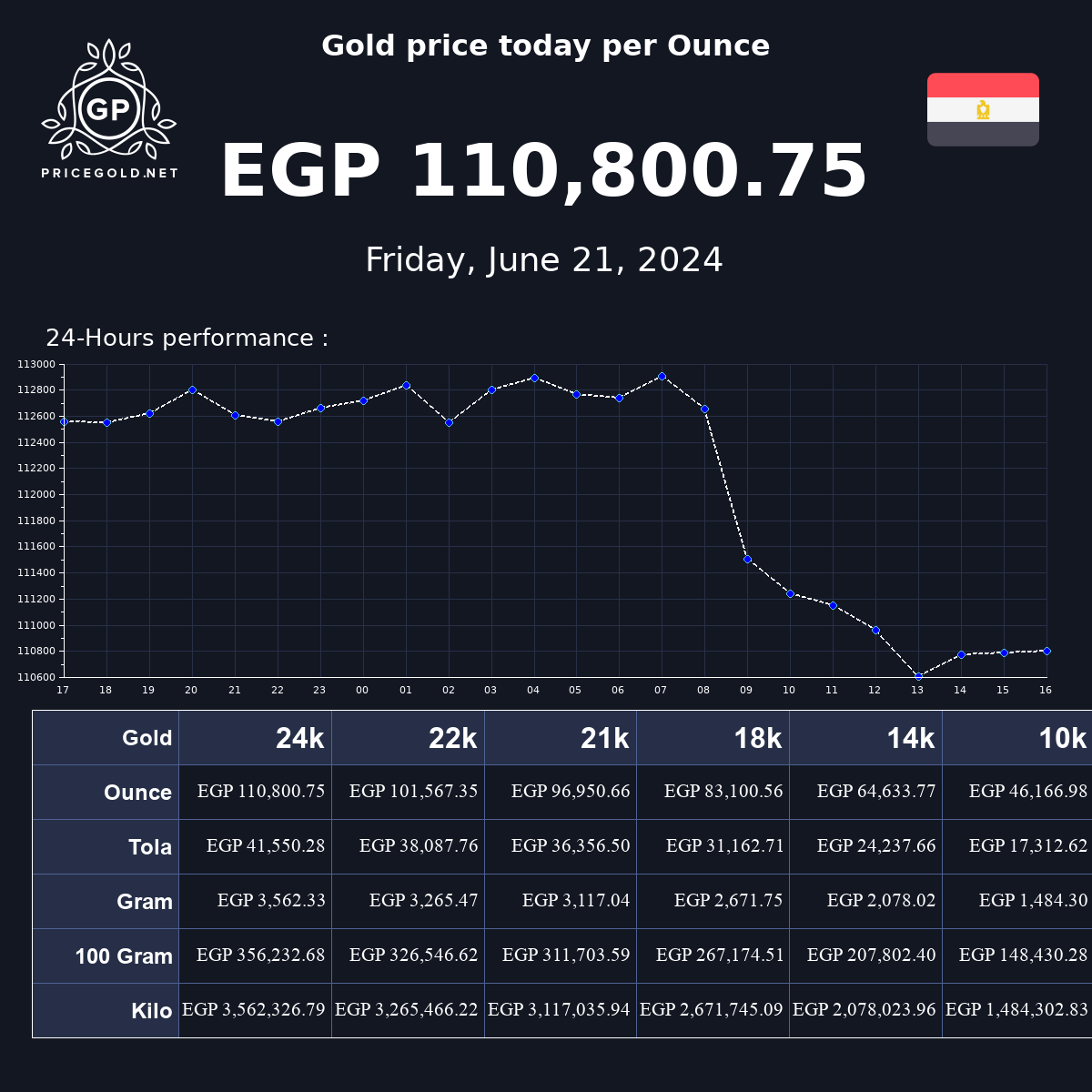
Gold prices have shown signs of a cautious recovery this week, rebounding from their lowest levels in six months as global investors recalibrate their portfolios amidst shifting interest rate expectations. Following a period of sustained downward pressure, the precious metal has found a temporary floor, though analysts remain divided on whether this marks a definitive trend reversal or merely a brief pause in a larger correction cycle.
According to market data tracked by Reuters, the recovery in gold prices is heavily influenced by a slight softening in the U.S. dollar and a cooling of Treasury yields. The inverse relationship between the dollar and gold remains a primary driver for institutional investors, who closely monitor the Federal Reserve’s monetary policy trajectory for signals on future liquidity.
Drivers of the Recent Market Volatility
The recent dip in gold prices, which touched a six-month low earlier this month, has been largely attributed to the strengthening U.S. dollar and the persistent “higher-for-longer” interest rate environment. As noted by the World Gold Council, when central banks maintain elevated interest rates, the opportunity cost of holding non-yielding assets like gold increases, prompting institutional sell-offs.

In regional markets, particularly within Egypt, the impact of global price fluctuations has been compounded by local currency dynamics. Market observers indicate that domestic gold prices in Egypt are sensitive to both the international spot price and the local exchange rate of the Egyptian pound against the dollar. As reported by Ahram Online, the local market has experienced periods of sluggish demand, as consumers adjust to prevailing inflationary pressures and fluctuating bullion costs.
Global Economic Sentiment and Investor Behavior
Gold is traditionally viewed as a “safe haven” asset during times of geopolitical uncertainty. However, the current environment presents a complex picture. While physical demand for gold jewelry and coins often serves as a bedrock for market stability, institutional demand via Exchange Traded Funds (ETFs) has seen significant outflows this year. Data from the International Monetary Fund suggests that central bank gold buying remains a robust pillar of support for the metal, even as retail investors in various regions show signs of fatigue due to high entry prices.
For investors, the recent price recovery acts as a stress test for market resilience. When prices drop, the “buy-the-dip” strategy is often tested against the reality of macroeconomic headwinds. Analysts at major financial institutions, as tracked by Bloomberg, emphasize that the gold market’s next move will likely be dictated by the upcoming U.S. labor market data and inflation reports due in the final quarter of the year.
Regional Market Dynamics: The Case of Egypt
The Egyptian market provides a specific case study in how global commodity trends filter down to local retail levels. Local reports suggest that the combination of high gold prices and broader economic conditions has altered consumer behavior, with some buyers shifting their focus away from gold as a primary store of value in the short term. According to the Central Bank of Egypt, domestic monetary policy remains focused on curbing inflation, which inherently impacts the purchasing power of the average consumer in the precious metals market.
Market experts often point to three key factors affecting local gold prices:
- The international spot price of gold (XAU/USD).
- The local supply-demand balance of physical gold bars and coins.
- Foreign exchange availability and the prevailing local market dollar rate.
Looking Ahead: What Investors Should Watch
Market participants are now looking toward the next Federal Open Market Committee (FOMC) meeting for further clarity. Any indication of a pivot in interest rate policy will likely serve as a catalyst for the next major move in gold prices. Investors are advised to monitor official updates from the Federal Reserve calendar to anticipate potential volatility spikes.

While the recovery from six-month lows is a positive sign for gold bulls, the sustainability of this rally remains contingent on broader macroeconomic indicators. Market analysts suggest that maintaining a diversified portfolio is essential, as precious metals are rarely immune to the broader pressures of global economic policy. We encourage our readers to share their perspectives on the gold market in the comments section below, as we continue to track these developments through the end of the fiscal year.
Keep reading