
Domestic gold prices in Egypt have experienced a notable shift, with the value of the standard gold coin falling below the 50,000 Egyptian pound threshold. This downward trend, observed across local markets, coincides with a narrowing of the price gap between domestic and international valuations, which market analysts estimate has contracted by approximately 20%. According to data tracked by the World Gold Council, fluctuations in local gold markets often reflect broader shifts in currency valuation and global commodity trends, which remain the primary drivers for retail investors in the region.
For investors monitoring the market, the recent decline in the price of the gold coin—often utilized as a hedge against inflation—highlights the sensitivity of local demand to global spot price corrections. While retail prices fluctuate daily, the current cooling of the market provides a different landscape for those looking to enter or exit positions compared to the volatility seen in previous quarters. Market participants generally track these changes through Central Bank of Egypt policy updates and global bullion benchmarks to better understand the underlying economic pressures influencing local trade.
Market Dynamics and Price Adjustments
The adjustment in gold coin prices is largely attributed to a stabilization in the local supply-demand balance and a recalibration of the gold premium. Historically, the “gap”—the difference between the price of gold in Egypt and the international price—has served as a barometer for market liquidity and foreign exchange availability. A 20% reduction in this gap suggests a more aligned pricing structure, which typically occurs when market participants find equilibrium between available supply and prevailing demand.
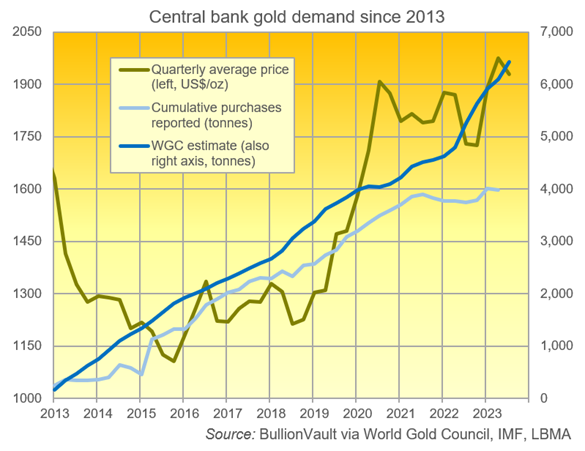
Beyond the gold coin, other denominations like 18-karat and 21-karat gold remain the most traded assets for jewelry consumers. According to Reuters market reporting, precious metal prices are heavily influenced by the U.S. Federal Reserve’s interest rate trajectory, as higher rates in the United States often strengthen the dollar, thereby putting downward pressure on gold. Egyptian consumers are advised to consult daily price updates from reputable bullion dealers to ensure they are operating within current market ranges, as retail pricing can vary significantly from official exchange-derived valuations.
Factors Influencing Local Gold Trends
Several macroeconomic factors contribute to the volatility seen in the Egyptian gold market. Firstly, the correlation between the local currency and the U.S. dollar is a critical component of gold pricing; when the local currency faces depreciation, gold—as a hard asset—often sees increased demand, driving prices upward. Conversely, periods of relative currency stability allow the local market to track more closely with the London Bullion Market Association (LBMA) spot prices.
Secondly, local sentiment plays a significant role. Gold has long been considered a traditional store of value in Egypt, with many households holding gold coins and bullion as a primary investment vehicle. When prices dip, it is common to see an uptick in physical acquisition as buyers perceive the lower price point as an opportunity to average down their cost basis. However, analysts caution that such movements should be balanced against the global economic outlook, particularly as central banks worldwide continue to adjust their monetary policies to combat lingering inflationary pressures.
What Investors Should Monitor Next
As the market continues to evolve, investors should keep a close watch on scheduled economic indicators. Key upcoming events include the next monetary policy meetings of the Central Bank of Egypt, which often set the tone for local asset pricing. Furthermore, global gold investors are awaiting the next round of U.S. inflation data, which will likely dictate the direction of the dollar and, by extension, the global gold price.

For those looking to trade, experts recommend maintaining a long-term perspective. The gold market is inherently volatile, and short-term price drops can be quickly reversed by geopolitical developments or sudden shifts in central bank reserves. For the most accurate and up-to-date information, individuals should rely on official bulletins and established financial news platforms rather than speculative social media discussions. If you have questions about your specific investment strategy or observed price discrepancies in your local area, feel free to share your thoughts in the comments section below.
Keep reading