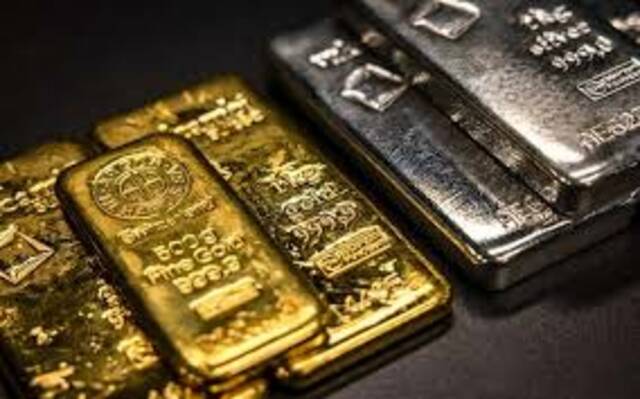
Gold prices have faced significant downward pressure as global markets react to a complex convergence of geopolitical instability and shifting macroeconomic expectations. The precious metal, traditionally viewed as a hedge against volatility, has struggled to maintain its footing amid a stronger dollar and renewed inflationary concerns stemming from the energy sector.
As of early April 2026, the spot price for gold experienced a notable decline of 0.5%, settling at $4,652.89 per ounce. This movement reflects a broader market recalibration, as investors digest robust U.S. Employment data and the persistent tensions surrounding the Strait of Hormuz. The current environment has prompted a sharp reassessment of monetary policy, with market participants largely moving away from previous expectations of interest rate cuts by the Federal Reserve this year.
The intersection of a tightening labor market and rising energy costs has created a challenging backdrop for non-yielding assets. In the United States, the economy added 178,000 jobs in March—the highest monthly increase in 15 months—while the unemployment rate dipped to 4.3%. These figures, verified through official economic reporting, have provided the Federal Reserve with substantial justification to maintain elevated interest rates to temper inflationary pressures.
Geopolitical Strains and the Energy Nexus
The instability in the Strait of Hormuz remains a primary driver of market anxiety. Recent escalations in the region have directly influenced oil prices, which in turn have exacerbated concerns regarding global inflation. When energy prices rise, the resulting inflationary ripple effect often reduces the appeal of gold, as higher interest rates—intended to combat such inflation—increase the opportunity cost of holding the metal.

The geopolitical situation has reached a point where diplomatic and strategic solutions appear increasingly elusive in the short term. Market analysts are closely monitoring the response from international powers, as the potential for prolonged disruption in one of the world’s most critical maritime corridors continues to weigh heavily on investor sentiment.
The current market dynamic is further complicated by the fact that gold is no longer enjoying the reflexive “safe haven” bid that typically accompanies such geopolitical crises. Instead, the focus has shifted entirely toward the “higher-for-longer” interest rate narrative, which serves to suppress the metal’s price despite the underlying regional risks.
Market Performance and Investor Sentiment
The broader precious metals complex has mirrored the weakness seen in gold. Silver, for instance, recorded a decline of 0.9%, falling to $72.00 per ounce. These movements occurred during a period of reduced liquidity, as many Asian and European markets observed public holidays, leading to quieter trading volumes that may have amplified the impact of the sell-off.
The shift in expectations regarding the Federal Reserve’s policy trajectory is perhaps the most significant structural change for gold investors. Earlier in the year, the prevailing consensus among traders favored the possibility of two interest rate cuts. Following the release of the most recent labor statistics and the surge in oil prices, those expectations have been largely abandoned. The market is now pricing in a sustained period of restrictive monetary policy, which typically creates a headwind for gold.
Looking ahead, the market remains in a state of high sensitivity. Investors are awaiting further clarity on both the diplomatic efforts regarding the Strait of Hormuz and the next round of U.S. Inflation data, which will likely dictate the Federal Reserve’s stance in the coming months. As we continue to track these developments, we encourage our readers to share their analysis of the current market climate in the comments section below.
Worth a look