Market participants are currently balancing the metal’s appeal as a safe haven against the pressure of a potentially stronger US dollar and higher borrowing costs, according to reports from Asharq Bloomberg and Investing.com.
The precious metal experienced a slight decline of 0.4%, dipping toward the $4,000 mark during Asian trading sessions, as reported by Sabq Electronic Newspaper. This movement reflects a broader market tension where geopolitical instability in the Middle East typically supports gold, but rising oil prices and hints of interest rate hikes act as headwinds.
Investors are closely watching the Federal Reserve for any shifts in monetary policy. Because gold is a non-yielding asset, it becomes less attractive when interest rates rise, as bonds and savings accounts offer better returns. Conversely, a dovish shift or a pause in hikes generally boosts gold’s appeal.
Federal Reserve Policy and the $4,000 Price Floor
The current stability of gold near $4,000 is largely a reflection of uncertainty surrounding the U.S. Federal Reserve’s next move. According to Asharq Bloomberg, the market is in a state of anticipation, waiting for clearer guidance on whether the central bank will maintain current rates or implement further increases to combat inflation.
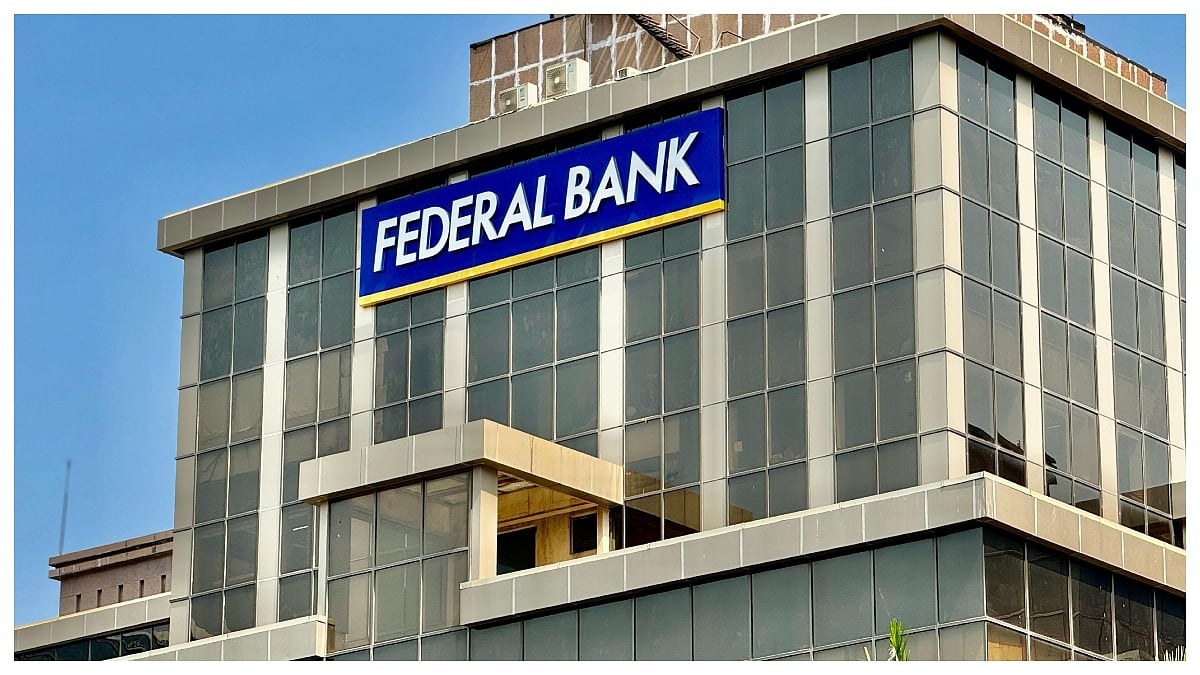
Higher interest rates increase the opportunity cost of holding gold. When the Federal Reserve raises rates, the US dollar often strengthens, making gold more expensive for buyers using other currencies. This dynamic has contributed to the recent 0.4% dip observed in Asian markets, as noted by Sabq Electronic Newspaper.
Market analysts at Investing.com suggest that the current trend is dominated by bearish sentiment, urging traders to be cautious of the downward pressure as the week progresses.
The Impact of Oil Prices and Geopolitical Tensions
Gold often moves in tandem with geopolitical risk, but recent data suggests a complex relationship with the energy market. Reports from Al Arabiya and other regional outlets indicate that gold prices have faced pressure as oil prices climbed. While both assets are often seen as hedges against instability, a spike in oil can fuel inflation, which may prompt central banks to raise interest rates—thereby hurting gold.
Developments in the Middle East continue to provide a baseline of support for the metal. According to reports from Ajel, the volatility in the region typically drives investors toward gold as a “safe haven” asset. However, this support is currently being offset by the macroeconomic reality of rising energy costs and the resulting pressure on global currencies.
The interplay between these factors creates a tug-of-war:
- Geopolitical Risk: Drives prices up as investors seek safety.
- Rising Oil Prices: May drive inflation, leading to higher rates, which pushes gold prices down.
- US Dollar Strength: Makes gold more expensive and less attractive to international buyers.
Market Outlook and Trading Implications
For those trading the metal this week, the focus remains on the “bearish dominance” cited by Investing.com. The inability of gold to break decisively above the $4,010 mark suggests a ceiling of resistance, while the $4,000 level is acting as a critical support line.
The broader economic context involves a global effort to stabilize inflation. If US economic data comes in hotter than expected, the likelihood of further rate hikes increases, which could push gold further away from its recent peaks. On the other hand, any sign of economic cooling could trigger a rally back toward higher levels.
Institutional investors are also monitoring the actions of central banks worldwide.
The next critical checkpoint for the market will be the release of upcoming US inflation data and the subsequent commentary from Federal Reserve officials. These updates will likely determine whether gold maintains its current stability or enters a more pronounced trend.
We invite our readers to share their perspectives on the current gold market volatility in the comments below and share this analysis with your professional network.