The Golf Career Grand Slam: A Definitive guide
Have you ever wondered what separates the legends of golf from the merely great? It’s not just consistent performance; it’s achieving the ultimate test of a golfer’s skill and versatility: the career Grand Slam. This prestigious accomplishment signifies a player’s dominance across all four major championships. But what exactly is a career Grand Slam, and who has conquered this monumental challenge? Let’s dive deep into the history, nuances, and meaning of this coveted title.
What Defines a Golf Grand Slam?
The term “Grand Slam” in golf can be a little confusing. There are two distinct definitions. The one we’re focusing on here - the career Grand Slam – represents a lifetime achievement. It means winning all four of golf’s major championships at least once throughout your professional career.
These four pillars of the golfing world are:
* The Masters Tournament: Held annually at Augusta National Golf Club.
* The PGA Championship: Rotating venues, showcasing a diverse test of skill.
* The U.S. Open: Known for its challenging course setups and demanding conditions.
* The Open Championship (British Open): Played on links courses, testing adaptability and creativity.
Key Facts: Career Grand Slam
| Definition | Winning all four major championships (Masters, PGA Championship, U.S. Open, The Open) at least once. |
|---|---|
| Number of Players (as of late 2023) | 6 |
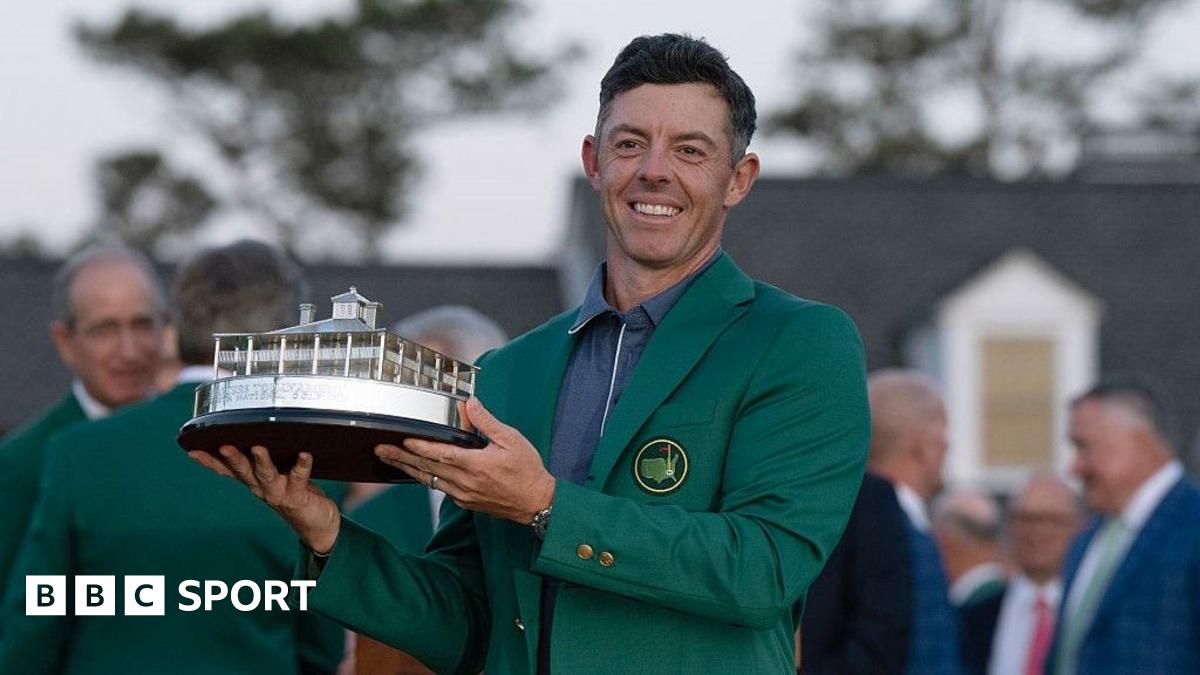
| Most Recent Winner | Rory McIlroy (2024) |
Did You Know? Rory McIlroy became the frist player in 25 years to complete a career Grand Slam, following in the footsteps of Tiger Woods.
A History of Grand Slam Champions
Only a select few have etched their names into golf history by completing the career Grand Slam. Here’s a look at the exclusive club:
* Gene Sarazen (1935): The first to achieve the feat.
* Ben Hogan (1953): A legendary figure known for his ball-striking prowess.
* Gary Player (1965): The “Black Knight,” a global icon of the game.
* Jack Nicklaus (1978, 1980, 1982): Holds the record for the most career Grand Slams (three).
* Tiger Woods (2000): Dominated the sport for over a decade, completing the Slam.
* Rory McIlroy (2024): The newest member, continuing the legacy of greatness.
Notice the longevity between some of these achievements. It highlights just how arduous it is indeed to consistently perform at the highest level across different courses and conditions. What do you think makes completing a Grand Slam so challenging in the modern era of golf?
The “tiger Slam” vs.The Career Grand Slam: What’s the Difference?
It’s crucial to distinguish between the career Grand Slam and the “Tiger slam.” While Tiger Woods did hold all four major championship titles simultaneously, he didn’t win them all within the same calendar year.
The true, original Grand Slam – winning all four majors in a single year - was achieved by Bobby Jones in 1930. However,the championships Jones won included the U.S. Amateur and British Amateur, which are not considered majors today. This makes Jones’ achievement unique, but different from the modern definition of a Grand Slam.
Pro Tip: Understanding the distinction between these two terms is key to accurately discussing golf history and achievements. Don’t fall into the common trap of using “grand Slam” when referring to a career accomplishment!