Political Wrangling in Indonesia as Golkar Party Defends Funding of Free School Meal Program
Jakarta – A political debate is unfolding in Indonesia over the funding of President Prabowo Subianto’s flagship free school meal program, known as Makan Bergizi Gratis (MBG). The Golkar Party has responded to criticism from the Indonesian Democratic Party of Struggle (PDIP) regarding the allocation of Rp 223.5 trillion (approximately $14.1 billion USD) from the national education budget to the MBG initiative. The exchange highlights tensions within the Indonesian parliament as the government prepares to implement the ambitious program, intended to improve nutrition and educational outcomes for students across the archipelago.
The controversy centers on whether the MBG funding was legitimately sourced and agreed upon during the budgetary process. Golkar officials assert that the allocation was transparently discussed and approved by all factions within the People’s Representative Council (DPR), including PDIP, during deliberations at both the Budgetary Body (Banggar) and a plenary DPR session, ultimately becoming law through the State Budget (APBN). This claim directly challenges PDIP’s assertions that the funding was diverted from core educational resources without proper consensus.
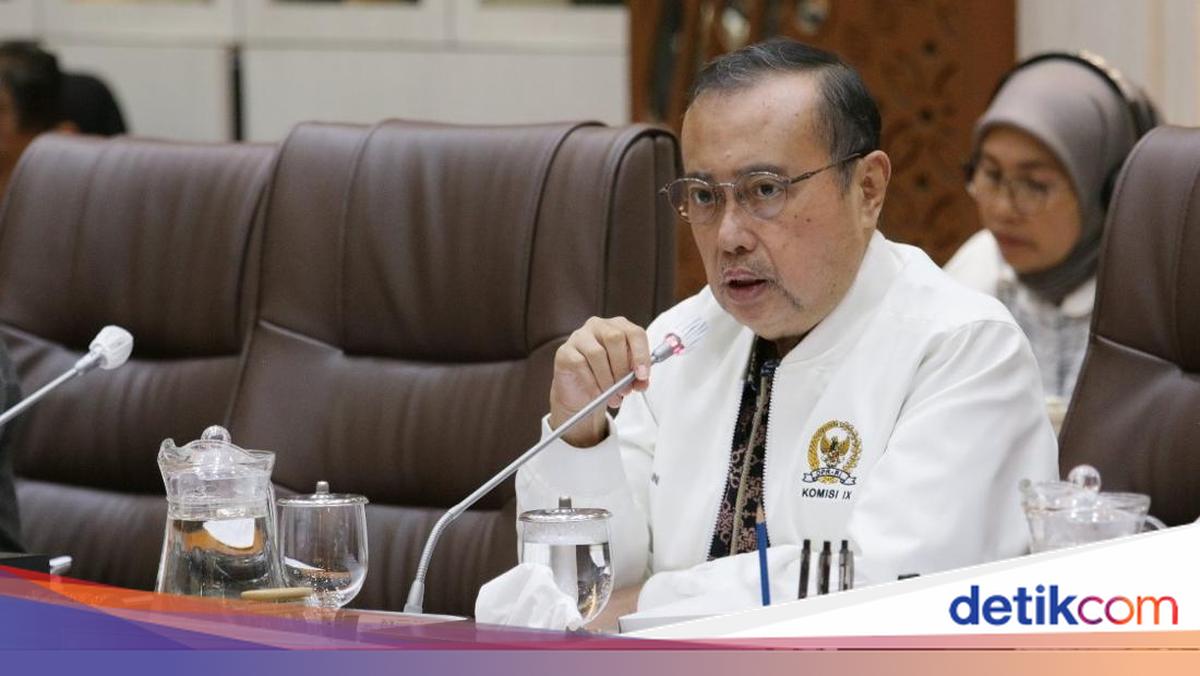
Yahya Zaini, Deputy Chairman of Commission IX of the DPR representing the Golkar Party, stated on Friday, February 27, 2026, “Regarding the MBG budget, it was an agreement between the DPR and the Government. All factions in the DPR agreed with the MBG budget that had been agreed upon by Banggar and ratified in the DPR Plenary Session, thus becoming a State Law.” Zaini further emphasized that PDIP representatives did not voice objections during these crucial stages of the budgetary process, suggesting a tacit acceptance of the funding arrangement.
PDIP Raises Concerns Over Budget Allocation
PDIP has countered these claims, arguing that the allocation of Rp 223.5 trillion from the national education budget directly impacts funding for other essential educational programs. According to PDIP, the Rp 769 trillion allocated for education represents a mandatory 20% of both the national and regional budgets, intended for core educational purposes. They maintain that the MBG program’s funding was not derived from efficiencies elsewhere, but rather directly reduced the resources available for traditional educational initiatives.
MY Esti Wijayati, Deputy Chairman of Commission X of the DPR representing PDIP, explained during a press conference on Wednesday, February 25, 2026, that “Our colleagues below understand that the education budget of Rp 769 trillion is mandatory spending, 20 percent of the APBN and APBD, which must be allocated purely for education.” She further stated that official government documents, specifically the annex to the APBN in the form of a presidential regulation, clearly demonstrate the deduction of Rp 223.5 trillion from the education budget for the MBG program.
Adian Napitupulu, a member of Commission X from PDIP, reinforced this position by referencing Article 22 of Law Number 17 of 2025 concerning the 2026 State Budget. He argued that the law explicitly allows for the funding of operational education expenses, including programs like MBG, within the broader education budget. He also cited Presidential Regulation Number 118 of 2024, detailing the APBN for 2025, which allocates Rp 223.558.960.490 (approximately $14.12 billion USD) to the National Nutrition Agency (BGN) for the MBG program.
Golkar’s Position and Program Support
While acknowledging PDIP’s concerns, Golkar maintains that the party is not involved in the management of the MBG program itself. However, Yahya Zaini affirmed Golkar’s strong support for the initiative, citing its potential to improve the nutritional status and overall well-being of Indonesian students. He highlighted the success of similar programs in other countries, including Japan (137 years), Brazil (71 years), South Korea (70 years) and India (31 years), as evidence of the program’s potential effectiveness.
Zaini also emphasized the collaborative approach to implementing the MBG program, noting the partnership between the BGN and local communities through foundations. He stated that this collaboration has already resulted in the establishment of over 22,000 community kitchens, benefiting approximately 60 million people. He argued that this rapid progress would not have been possible without the involvement of these community partners.
Golkar’s support for the MBG program aligns with its commitment to President Prabowo Subianto’s agenda. Zaini reiterated that any shortcomings in the program’s implementation should be addressed through evaluation and improvement, rather than outright opposition. He underscored the program’s ultimate goal of creating a healthy, intelligent, and competitive workforce for Indonesia’s future.
Broader Context and Potential Implications
The debate over the MBG funding reflects a broader discussion about budgetary priorities in Indonesia. The program represents a significant investment in social welfare, but it also raises questions about the balance between social programs and traditional government functions like education and infrastructure. The allocation of resources will likely continue to be a point of contention as the government moves forward with implementing the MBG program.
The success of the MBG program will depend on effective implementation and monitoring. Concerns have been raised about the quality of the meals provided and the logistical challenges of reaching all eligible students, particularly in remote areas. Addressing these challenges will be crucial to ensuring that the program achieves its intended goals.
The Indonesian government has faced scrutiny regarding the menu quality of the MBG program, with reports of parental complaints about the meals provided in regions like Batam. The program’s implementation is being closely watched by stakeholders, including parents, educators, and policymakers, to ensure its effectiveness and accountability.
Key Takeaways
- The Golkar Party defends the allocation of Rp 223.5 trillion to the MBG program, asserting it was approved by all DPR factions.
- PDIP argues the funding was diverted from the national education budget, impacting other essential programs.
- Golkar supports the MBG program’s goals but is not involved in its management.
- The program’s success hinges on effective implementation and addressing logistical challenges.
As the MBG program rolls out across Indonesia, continued scrutiny and transparent reporting will be essential to ensure its success and address any emerging challenges. The next key development will be the release of the first comprehensive evaluation report on the program’s impact, expected in the fourth quarter of 2026. We encourage readers to share their thoughts and experiences with the MBG program in the comments below.
Worth a look