
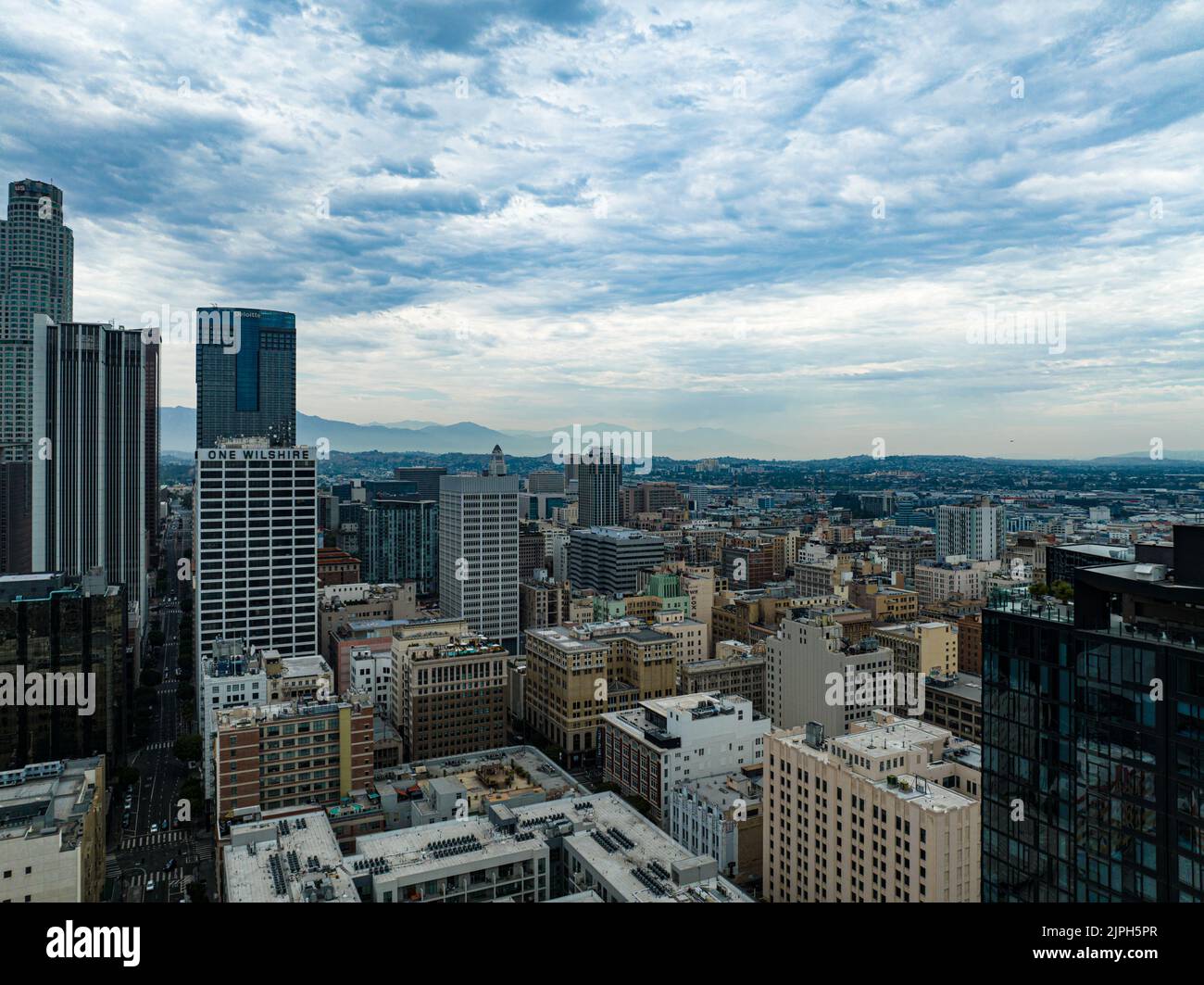
For thousands of faithful in Southern California, the Good Friday commemoration in downtown Los Angeles serves as a profound spiritual anchor, blending ancient tradition with the modern urban landscape. On April 3, 2026, the city’s religious heart beats with a particular solemnity as the community gathers to reflect on the crucifixion and death of Jesus of Nazareth.
At the center of these observations is the Cathedral of Our Lady of the Angels, where the Archdiocese of Los Angeles hosts a series of liturgies designed to guide the faithful through the grief and hope associated with the Passion. This day is not merely a date on the calendar but a critical component of the Paschal Triduum—the three-day period that constitutes the peak of the Christian liturgical year, commemorating the passion, death, and resurrection of Christ according to established Christian tradition.
The atmosphere in downtown Los Angeles during this time is one of quiet contemplation and shared sorrow. As Archbishop Gomez noted regarding the 2026 Holy Week observations, the period is a time to reflect on the “mystery of our redemption” and the love of God, emphasizing that the sacrifice of Jesus was intended to liberate believers so they may live a novel life dedicated to God and their neighbors via LA Catholics.
The Solemnity of the Passion at the Cathedral of Our Lady of the Angels
The religious programming for the Good Friday commemoration in downtown Los Angeles is structured to mirror the biblical timeline of the crucifixion. The Cathedral of Our Lady of the Angels holds the “Pasión de Nuestro Señor” (Passion of Our Lord) services, which are central to the local Catholic experience.

A Schedule of Reflection
To accommodate the diverse linguistic needs of the Los Angeles community, the Cathedral provides services in both English and Spanish. On April 3, 2026, the schedule is as follows as detailed by LA Catholics:
- 12:00 p.m. (English): This service is notably broadcast live, allowing those unable to travel to the city center to participate in the reflection.
- 3:00 p.m. (English): This hour holds significant theological weight, as it marks the time the Bible records as the moment of Jesus’ death on the cross.
- 7:00 p.m. (Spanish): A dedicated service for the Spanish-speaking community, emphasizing the deep cultural roots of Viernes Santo in the region.
Understanding the Theology of Good Friday
Good Friday is distinguished from other days of the liturgical year by its austerity. Unlike most other days of the week, it is the only day in the Catholic calendar without a proper Mass. This is due to the fact that there is no sacrament of the Eucharist—the transformation of bread and wine into the body and blood of Christ—celebrated on this day as reported by the Los Angeles Times.
For many, the day is marked by personal and communal penance. In the Catholic tradition, the faithful observe fasting and abstinence from meat as a sign of solidarity with the suffering of Christ. This practice is mirrored across various other denominations, including Orthodox, Anglican, Lutheran, and Methodist traditions, who also commemorate the date with services and fasting via Wikipedia.
The Significance of the “Three Hours”
The tradition of holding services between noon and 3 p.m. Is a common practice in many Catholic, Lutheran, and Methodist churches. This “Service of the Great Agony” corresponds to the biblical account of the darkness that covered the earth during the final hours of Jesus’ life on the cross.
A Global Observation of Faith
While the focus in downtown Los Angeles is on the Catholic experience, the commemoration of the crucifixion is a global phenomenon with varying dates and customs. In 2026, while Catholics and Protestants observe Good Friday on April 3, Orthodox Christians observe it on April 10 per the Los Angeles Times.
Across the world, these observations often spill from the sanctuary into the streets. Elaborate processions, rituals of popular piety, and centuries-old traditions are used to visually represent the journey to Calvary. In Los Angeles, these traditions connect the immigrant experience and ancestral faith with the contemporary life of a global megacity.
| Event | Date | Significance |
|---|---|---|
| Palm Sunday | March 29, 2026 | Entry into Jerusalem |
| Maundy Thursday | April 2, 2026 | The Last Supper |
| Good Friday | April 3, 2026 | Crucifixion and Death |
| Easter Vigil | April 4, 2026 | Preparation for Resurrection |
| Easter Sunday | April 5, 2026 | The Resurrection |
The transition from the sorrow of Friday to the hope of Sunday is the central narrative of the season. By focusing on the “mystery of redemption,” the services in downtown Los Angeles aim to provide a space for emotional release and spiritual renewal for a population often facing the stresses of urban living.
The next confirmed checkpoint in the liturgical calendar is the Easter Vigil, scheduled for Saturday, April 4, 2026, at 8 p.m. At the Cathedral of Our Lady of the Angels, which will serve as the bridge between the mourning of Good Friday and the celebration of Easter Sunday via LA Catholics.
Do you participate in the Holy Week traditions in Los Angeles or elsewhere? Share your experiences and reflections in the comments below.