
As we navigate the mid-point of 2026, the fundamental mechanics of how we interact with the internet are undergoing a quiet, yet profound, transformation. The traditional search engine experience—once defined by a list of ten blue links—is being reshaped by generative artificial intelligence. For many users, the primary goal is no longer to “search” in the traditional sense, but to receive immediate, synthesized answers. This shift is redefining the role of the search bar, moving it from a navigational gateway toward an interactive AI assistant.
Google’s evolving strategy reflects a broader industry trend where the objective is to minimize the effort required to find information. By integrating AI-generated summaries directly into the search results page, the platform aims to provide concise, actionable insights without requiring users to click through to external websites. This shift carries significant implications for content creators, digital marketers, and the future of web traffic, as the classic “search and click” model faces unprecedented disruption.
In this analysis, we examine how the integration of AI is altering the search landscape and what users and industry professionals need to know as these technologies become the standard for information retrieval.
The Evolution of the Search Bar in the AI Era
The search bar has long served as the digital world’s primary interface. However, the rise of Large Language Models (LLMs) has fundamentally altered the user journey. Instead of acting as a directory, the search engine is increasingly functioning as a conversational interface. According to official statements from Google regarding their ongoing AI search integration, the goal is to streamline information synthesis, allowing users to move from query to answer in a single step.
This does not mean the end of external links. On the contrary, user feedback and industry data indicate that providing verifiable sources remains a critical component of AI-generated responses. Recent updates to the search experience have prioritized the inclusion of direct citations within AI summaries, ensuring that users can still access the original context of the information provided. This balancing act—between efficiency and source attribution—is the central challenge for search engineers in 2026.
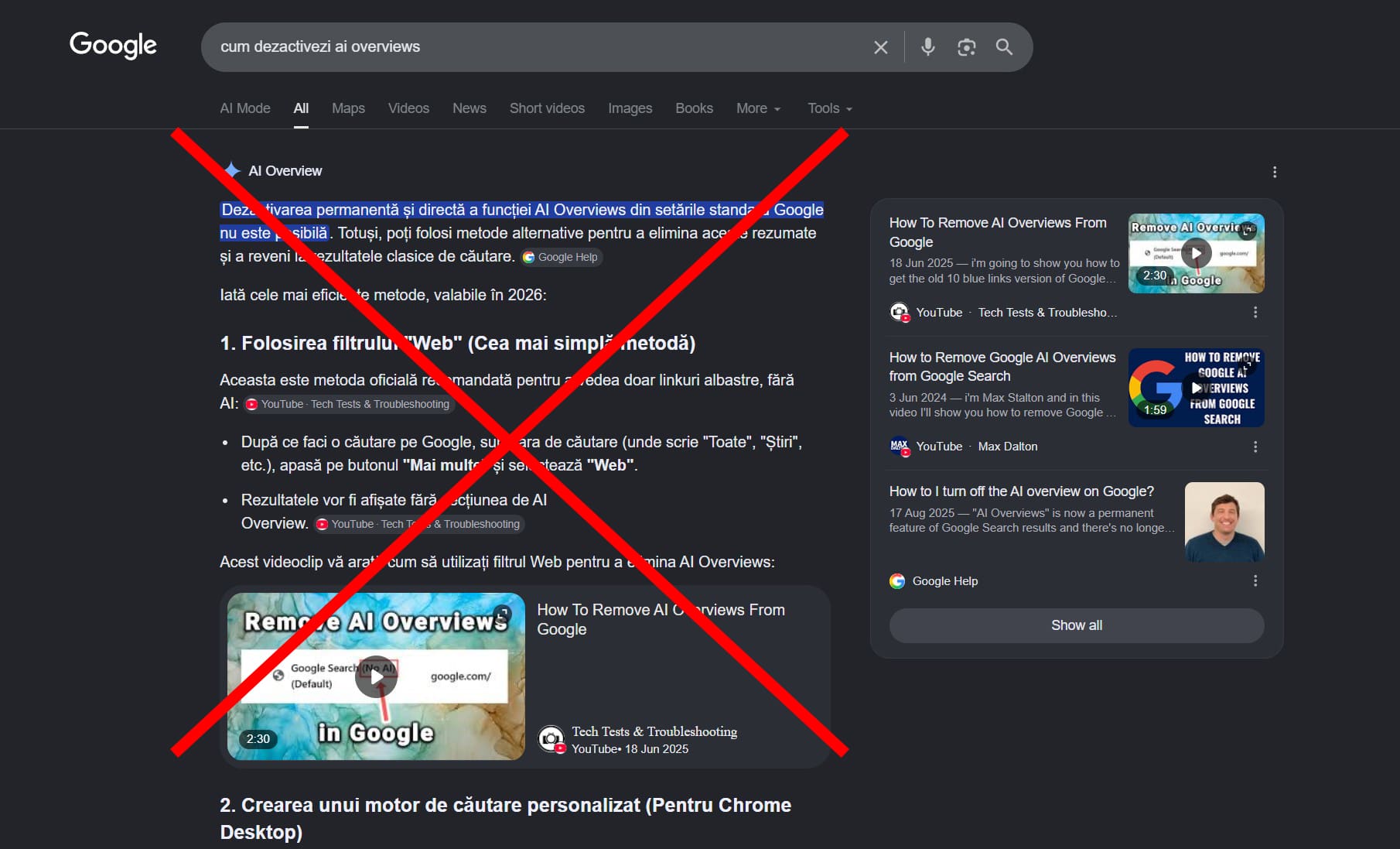
For users who prefer the traditional experience, the choice remains available. While the interface pushes toward AI-first responses, the ability to filter results or engage with standard search settings remains part of the platform’s architecture. This hybrid approach acknowledges that while AI is highly effective for synthesizing broad queries, the classic model is often superior for navigational and transactional searches.
Impact on Web Traffic and Digital Strategy
The transition to AI-generated answers has sparked significant discussion regarding the impact on website traffic. For publishers and content creators, the “zero-click” search—where the answer is provided on the results page—presents a new reality for audience acquisition. As noted in technical guidance provided by Google for search developers, the focus for organizations must shift toward high-value, unique content that provides insights not easily summarized by an AI model.
Companies are now recalibrating their digital strategies to focus on:
- Authority and Expertise: Demonstrating original research and expert analysis that AI tools rely on for accuracy.
- User Experience: Ensuring that when a user does click through, the website provides a superior, specialized experience that the search result alone cannot replicate.
- Technical Optimization: Utilizing structured data to help AI models correctly index and attribute content, ensuring that publishers remain visible within the new interface.
The anxiety surrounding a potential decline in site traffic is balanced by the opportunity for higher-intent traffic. Users who click through from an AI summary are often more qualified, having already reviewed the initial synthesis and determined that the source website offers the depth they require.
Navigating the Future of Information Retrieval
As we look toward the remainder of 2026, the search experience will continue to iterate. The integration of more diverse media, including video and interactive elements, into AI-generated responses is expected to become more prevalent. For the average user, this means the search bar will become even more capable of handling complex, multi-part questions.

However, the shift also highlights the importance of digital literacy. As AI becomes the primary source for quick answers, the ability to verify information and understand the limitations of generative models remains essential. Google continues to update its guidelines for information quality, emphasizing the role of its existing ranking systems in conjunction with AI output to maintain accuracy and prevent the proliferation of misinformation.
The next major checkpoint for these developments will likely arrive with the next round of search quality updates, which are scheduled to address feedback regarding the balance between automated summaries and organic link distribution. As the industry matures, the focus will increasingly shift from the novelty of AI to the long-term sustainability of the web ecosystem.
As a technology editor, I am closely monitoring these changes. How has your personal search behavior changed in recent months? Are you finding the AI-generated summaries more helpful, or do you prefer the classic list of links? Share your thoughts in the comments below, and stay tuned for further updates on how these search developments affect the digital landscape.