Teh AI search Revolution: Is Convenience Killing the Web?
The way you search for data is changing, and rapidly. Google’s introduction of AI Overviews – those summarized answers appearing at the top of search results – is sparking a major debate. Is it a helpful evolution,or a potential death knell for the websites that create the information powering these AI responses? As someone who’s been following the digital landscape for years,I’m here to break down what’s happening,the implications,and what it means for you.
The Core of the Controversy: Fewer Clicks, Less revenue
Recent data from the Google’s Response & The Clarity Problem
Google vehemently denies that AI Overviews are causing a dramatic drop in traffic.They claim third-party reports are flawed, based on outdated data, or isolated incidents. They point to metrics like “relatively stable” organic click volume and “increased click quality.” But here’s the rub: Google isn’t sharing its data to support these claims. As blank” rel=”noopener nofollow external noreferrer”>TechCrunch
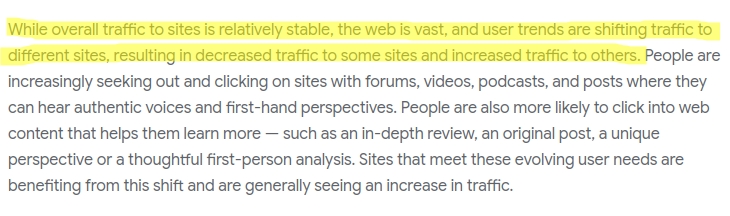
Google themselves acknowledge a shift in traffic patterns, stating that AI is simply “shifting traffic to different sites.” That’s a carefully worded statement that hints at a very real impact.
It’s Not Just Google: The Broader AI Impact
The problem extends beyond Google. Most AI services – chatbots,AI writing tools - exhibit the same behavior. Users rarely click on the source links provided.
Why is this important?
Verification: You should always verify information provided by AI, especially by visiting the original source.
Accuracy: AI can “hallucinate” - confidently presenting incorrect information or linking to irrelevant pages.
Supporting Creators: Clicking through supports the websites that provide the raw material for AI.
The basic Question: Can AI Exist Without Us?
AI isn’t magic. It’s a refined system that learns by analyzing vast amounts of data scraped from the internet. Without the content created by individuals and organizations, AI would be…nothing.
We’re willingly feeding these systems with our data, frequently enough without fully understanding the consequences. Companies are monetizing this data, and the content creators who provide it are often left out of the equation.Ask yourself: without the sources, without the websites, can AI truly exist? The focus on short-term profits is overshadowing the long-term sustainability of the web.
Legal Challenges & Increased Scrutiny
The concerns aren’t just theoretical. Google is currently facing:
An antitrust lawsuit in Europe: Publishers allege anticompetitive practices related to AI Overviews.
A U.S. Department of Justice lawsuit: The DOJ is pushing for a breakup of Google’s search monopoly, perhaps forcing the sale of Chrome.these legal battles highlight the growing scrutiny of Google’s dominance and the potential for abuse of its AI-powered search tools.
What Can you Do?
The future of the web depends on informed users. Here’s how you can make a difference:
Click the Links: Don’t rely solely on AI summaries. Follow up