
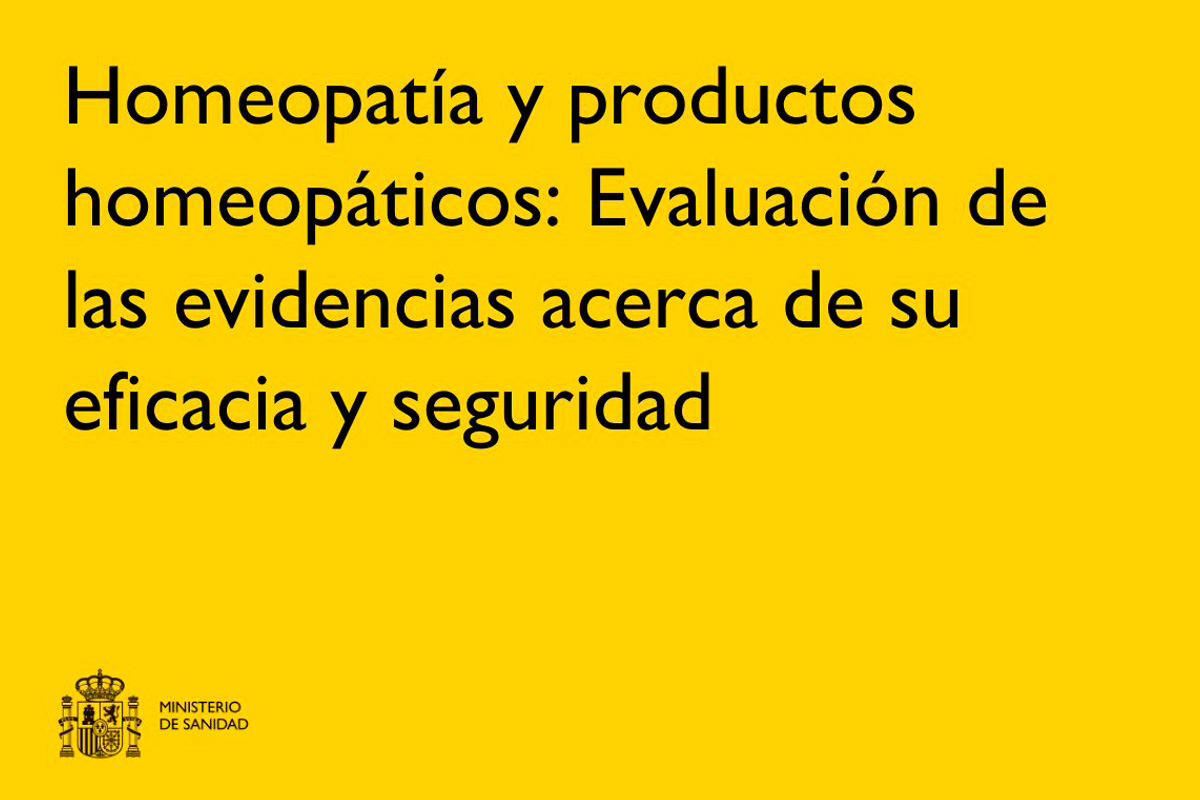
Spain’s health authorities have concluded that there is no scientific evidence supporting the effectiveness of homeopathy for any medical condition, according to a comprehensive report released by the Spanish Agency of Medicines and Health Products (AEMPS). The findings, published on April 21, 2026, mark a significant moment in the ongoing debate over alternative medicine, emphasizing that perceived benefits from homeopathic treatments are indistinguishable from placebo effects.
The AEMPS report analyzed 64 systematic reviews of scientific literature published since 2009, determining that studies suggesting positive outcomes from homeopathy suffer from methodological weaknesses such as small sample sizes, short follow-up periods, and randomization biases. When evaluated in rigorous clinical trials, these apparent benefits vanish entirely. The agency underscored that a typical homeopathic dilution of 6 CH equates to dissolving a single sugar cube in the entire volume of the Mediterranean Sea, illustrating the extreme dilution principles central to the practice.
Health Minister Carolina Darias highlighted the risks of relying on unproven treatments, warning that patients may abandon evidence-based therapies in favor of homeopathic products, potentially endangering their health. She noted that countries including France, the United Kingdom, and Australia have either withdrawn public funding for homeopathy or mandated clear labeling about its lack of scientific basis, while Germany is currently reviewing its stance.
The report aligns with assessments from international regulatory bodies such as the UK’s Medicines and Healthcare products Regulatory Agency (MHRA), which has previously stated that homeopathic products perform no better than placebos. Australia’s National Health and Medical Research Council reached a similar conclusion in 2015 after reviewing over 1,800 studies, finding no reliable evidence that homeopathy is effective for any health condition.
Despite its popularity in some regions, homeopathy remains controversial within the medical community due to its foundational principles conflicting with established laws of chemistry and physics. Critics argue that the extreme dilutions used in homeopathic preparations often result in solutions containing no detectable molecules of the original substance, making any pharmacological effect implausible.
The AEMPS emphasized that while patients should have access to information about all treatment options, public health policy must prioritize interventions backed by robust scientific evidence. The agency called for greater transparency in marketing homeopathic products and urged healthcare providers to discuss the lack of efficacy evidence with patients who use or consider such therapies.
As of the report’s release, no changes to the legal status or regulation of homeopathic products in Spain have been announced. The AEMPS stated it will continue to monitor developments in the field and update its guidance as new evidence emerges, though current findings indicate a persistent absence of support for homeopathy’s therapeutic claims.
For readers seeking official updates on the assessment of complementary and alternative medicines, the AEMPS maintains a public repository of reports and statements on its website. The agency encourages individuals to consult qualified healthcare professionals when making decisions about medical treatments.
Stay informed about developments in health policy and medical science by following updates from trusted national and international health authorities. Share your thoughts on this topic in the comments below, and help spread accurate information by sharing this article with others who may benefit from evidence-based health insights.